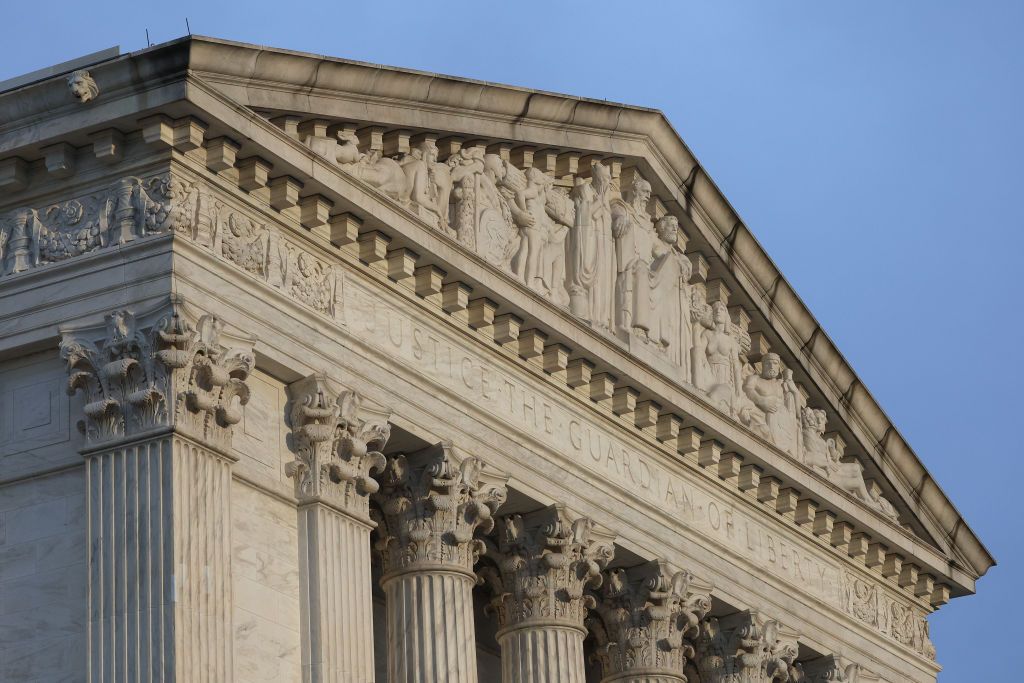
# Federal Asset Forfeiture Law Faces Supreme Court Scrutiny Over Excessive Fines Clause
The Supreme Court confronted civil asset forfeiture practices this week, examining whether federal authorities can seize property worth substantially more than the maximum criminal fine for the underlying offense. The case centers on the Excessive Fines Clause of the Eighth Amendment and its application to federal forfeiture statutes.
A defendant faced forfeiture of an aircraft and other assets after federal authorities alleged involvement in transporting beer across state lines without proper licensing. The value of the seized property dramatically exceeded any potential criminal fine the defendant could receive for the underlying violation. This disparity prompted a constitutional challenge to the forfeiture order.
The Excessive Fines Clause states: "Excessive bail shall not be required, nor excessive fines imposed." Historically, courts applied this provision to criminal sentences. The question before the Court is whether civil forfeiture constitutes a "fine" within the meaning of the Eighth Amendment, and if so, whether the government can forfeit assets grossly disproportionate to the gravity of the offense.
Federal asset forfeiture law grants law enforcement agencies broad authority to seize property allegedly connected to criminal activity. The government often retains seized assets, creating financial incentives for aggressive enforcement. This practice has generated substantial revenue for federal agencies and local police departments nationwide. Critics argue the system creates perverse incentives that prioritize asset seizures over legitimate law enforcement goals.
The lower courts split on whether forfeiture proceedings fall within Eighth Amendment protection. Some circuits applied proportionality analysis, examining whether seized assets bore reasonable relationship to the offense. Others rejected this framework entirely, treating civil forfeiture as outside constitutional limits on punishment.
The stakes extend beyond this particular case. Federal authorities conduct thousands of civil forfeitures annually. Property owners frequently lack resources to challenge seizures in court. The burden of proof often falls on the owner to demonstrate legitimate ownership, inverting traditional criminal procedure protections.
A ruling embracing proportionality analysis would require courts to examine the ratio between seized property value and maximum allowable penalties for the underlying offense. This approach would give property owners a concrete benchmark for challenging excessive forfeitures. The government would need to justify seizures that far exceed reasonable penalties.
Conversely, if the Court rejects Eighth Amendment application to civil forfeiture, current enforcement practices would face minimal constitutional restraint. Agencies could continue seizing high-value assets for minor violations without proportionality review.
The Court's decision will reshape federal forfeiture law nationwide. Property owners and civil rights advocates view a favorable ruling as necessary protection against overreaching government seizures. Law enforcement argues that proportionality restrictions would hamper legitimate asset-seizure operations and complicate prosecutions of crime.
The case reflects broader tension between executive enforcement authority and constitutional protections against government overreach. How the Court balances these interests will determine whether the Excessive Fines Clause provides meaningful protection in civil proceedings, or whether forfeiture operates in a constitutional vacuum. Arguments suggested the Justices take seriously the potential for disproportionate seizures, but their ultimate direction remains uncertain.