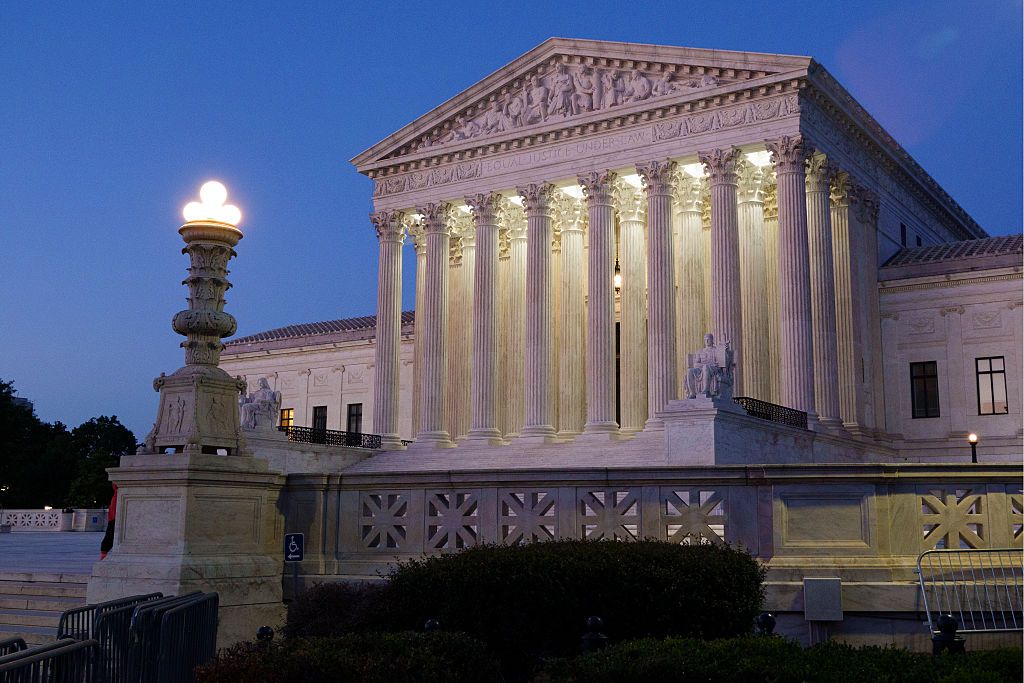
The Supreme Court rejected the Trump administration's emergency request to implement portions of a rule governing mail-in voting procedures. The Court declined to grant the stay or injunction sought by administration lawyers, leaving lower court restrictions on the voting rule in effect.
The Trump administration had asked the justices to permit enforcement of specific provisions of a rule affecting mail-in ballot handling and verification. The administration argued that blocking these provisions harmed election administration and created uncertainty for states preparing for upcoming elections. Lower courts had previously blocked parts of the rule, citing concerns about procedural violations or statutory conflicts.
The Court's denial came without published opinions explaining the reasoning. Such summary denials do not indicate the justices' views on the underlying merits. The order reflects the Court's reluctance to intervene in voting administration matters during an active election cycle, consistent with established practice of avoiding last-minute election rule changes.
This decision has immediate implications for states implementing mail-in voting systems. Election officials in jurisdictions affected by the lower court rulings now have clarity that they must continue operating under the court-imposed restrictions rather than the administration's preferred rule. States cannot shift to new procedures mid-election based on the administration's proposed changes.
The ruling also signals that the Supreme Court maintains institutional skepticism toward emergency applications from any administration seeking to alter voting rules shortly before elections. The justices have historically resisted becoming arbiters of election administration details during active voting periods, viewing such interventions as destabilizing to the electoral process.
The case reflects ongoing tension between executive agencies attempting to regulate election procedures and courts imposing procedural safeguards. States retain primary authority over election administration under the Constitution, and federal rule-making must comply with Administrative Procedure Act requirements and relevant federal statutes. The lower courts apparently found the administration's rule deficient on one or both grounds.