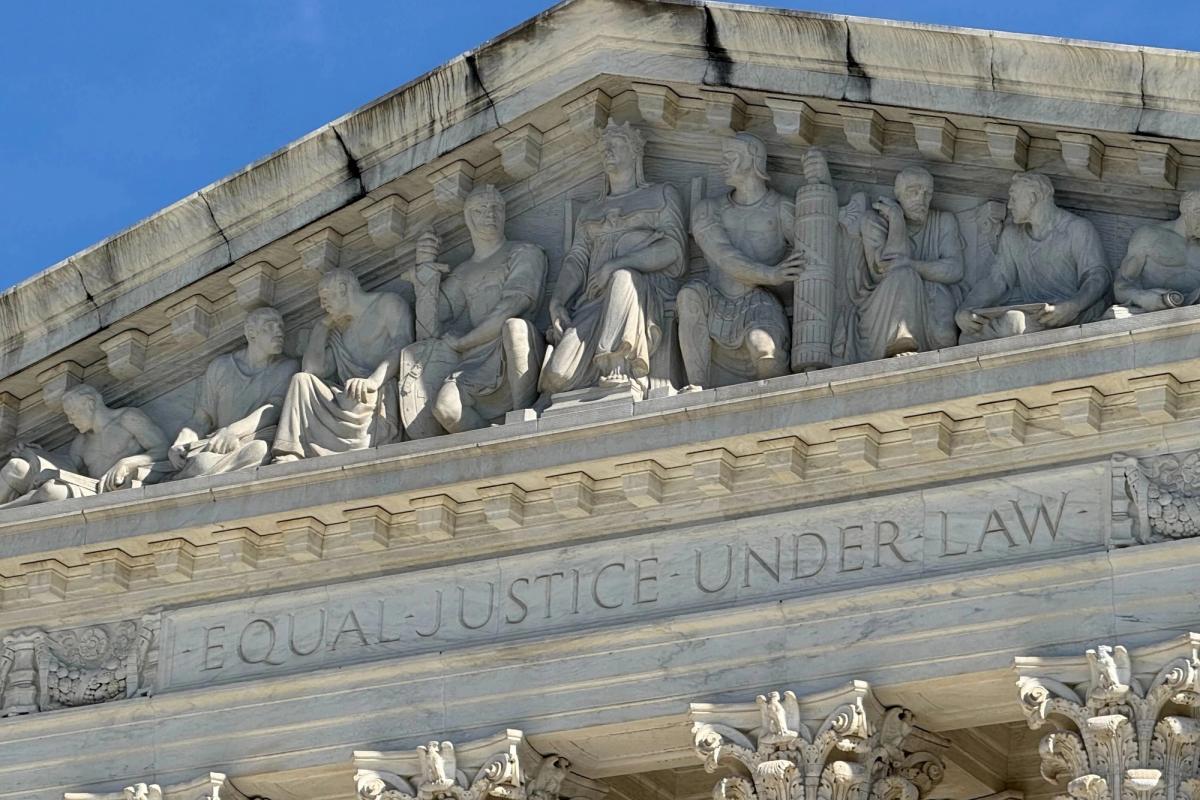
# Supreme Court Declines to Intervene in Partisan Election Disputes Before Midterms
The Supreme Court has declined to wade into two contentious election-related cases during the final stretch before the 2024 midterm elections, avoiding direct involvement in disputes that carry explicit partisan implications.
The Court rejected emergency applications in both matters without issuing written opinions or dissents, a procedural posture that kept the justices from needing to articulate their reasoning or reveal any internal divisions on election administration issues ahead of voting day.
The first case involved challenges to redistricting maps in a state legislature, where one party had alleged that the opposing party had engaged in partisan gerrymandering that violated the First Amendment and the Equal Protection Clause of the Fourteenth Amendment. The applicant sought an emergency stay and preliminary injunction to prevent implementation of the challenged maps before the midterms. The Supreme Court's refusal to act left lower court decisions in place.
The second dispute centered on voter registration procedures and access to the ballot in another jurisdiction. Election administration officials defended their implementation of statutory requirements, while voting rights advocates and a political party challenged the policies as creating unnecessary barriers to voting. The applicant sought emergency relief to enjoin enforcement of the disputed procedures before Election Day. The Court's silence allowed existing orders to stand.
These decisions reflect the Court's traditional reluctance to intervene in election administration matters immediately before elections occur. In multiple prior cycles, the justices have emphasized that late-breaking changes to election rules create chaos and confusion for poll workers, election officials, and voters. This doctrine holds even when the Court might be inclined to rule on the merits after the election has passed.
The posture also avoids the appearance that the Court is taking sides in partisan battles. Chief Justice John Roberts has repeatedly warned against the Court being perceived as a partisan institution. By denying applications without explanation, the Court provides no fodder for claims that particular justices sided with one political party over another.
However, this approach frustrates parties who lose in the lower courts. They argue that staying the status quo pending full appellate review represents neutral process, not partisanship. Denying emergency relief, they contend, represents a de facto ruling on the merits favoring the opposing party.
The Court's silence on election administration questions before elections will likely intensify debates about whether the current justices can credibly umpire election disputes at all. Some scholars argue the Court should develop bright-line rules for what election changes it will permit close to voting day, then apply those rules mechanically without discretion.
For now, the midterm election will proceed under the rules established by state officials and upheld or enforced by lower courts. The Supreme Court will revisit whatever election issues emerge after voters have cast their ballots, if the justices choose to grant certiorari in the disputes.