# FCC Chair Brendan Carr Denounces Jimmy Kimmel Censorship Claims as 'Hoax'
Federal Communications Commission Chair Brendan Carr dismissed allegations of censorship involving late-night host Jimmy Kimmel on Tuesday, calling the claims a "hoax" during a public statement. The remark marks an escalation in tensions between Carr and media figures over content regulation authority.
The dispute centers on whether the FCC or its leadership has exerted pressure on broadcasters to limit Kimmel's on-air commentary. Carr, who leads the independent agency responsible for regulating telecommunications and broadcast media, rejected characterizations that he or the commission attempted to suppress speech through informal pressure or regulatory threats.
Carr's forceful denial carries weight given his role overseeing the broadcast industry. The FCC maintains authority to fine stations for indecency violations under 47 U.S.C. Section 326 and related provisions, though direct content censorship remains legally constrained by First Amendment protections. The commission cannot ban speech outright but can penalize broadcasters for violations of federal indecency standards after the fact.
The disagreement reflects broader debate about regulatory overreach and agency discretion in the digital media age. Broadcast networks operate under FCC licenses and face potential license renewal challenges, creating an asymmetrical power dynamic even without explicit censorship orders. Implicit pressure through regulatory authority differs legally from direct censorship but shapes editorial decisions nonetheless.
Carr's appointment as FCC chair came amid Republican priorities to scrutinize alleged bias in tech and media sectors. His tenure has included rhetoric suggesting heightened enforcement against content deemed inappropriate, though formal FCC actions typically follow notice-and-comment rulemaking or adjudicatory proceedings. The commission operates with a five-member structure requiring majority votes on substantive decisions.
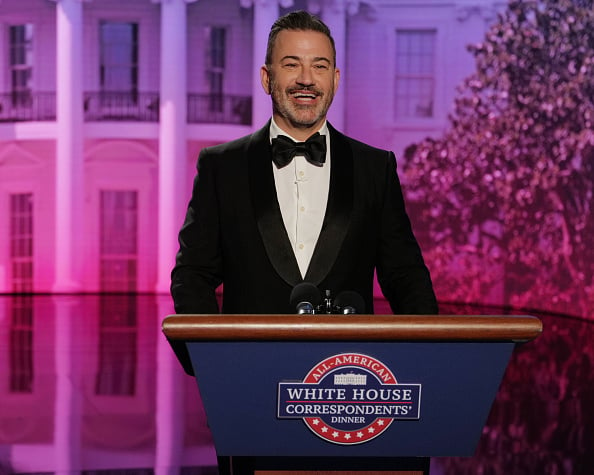
Kimmel, host of ABC's "Jimmy Kimmel Live," has maintained a platform for political commentary and monologues critical of various political figures and policies. His program operates within broadcast television standards governed partly by FCC rules, distinguishing his exposure from cable or streaming platforms with fewer regulatory constraints.
The "hoax" characterization suggests Carr views the censorship narrative as politically motivated rather than factually grounded. Whether the FCC or Carr personally contacted ABC, applied pressure to producers, or influenced editorial decisions through regulatory messaging remains the operative factual question underlying the dispute. Public statements and regulatory actions create a documentary record available for review.
This incident highlights tension between agency leadership and media entities. Regulatory agencies wield substantial discretionary power over licensed industries. The appearance of regulatory motivation behind content decisions raises accountability questions even when formal censorship does not occur. Congressional oversight committees, particularly those handling communications and commerce matters, maintain jurisdiction to investigate FCC conduct.
The exchange occurs within a context of broader conservative skepticism toward mainstream media. FCC leadership responsive to those concerns faces scrutiny regarding whether ideology influences regulatory decisions. The commission's independent status legally buffers it from executive branch direction, but appointee backgrounds and philosophical orientations shape agency priorities and enforcement patterns.
Carr's public dismissal suggests he views the allegations as lacking credibility rather than engaging substantively with specific claims. The FCC chair's office maintains formal communications channels with broadcasters on regulatory compliance matters. Whether any such communications occurred in this case remains undisclosed in available public records.