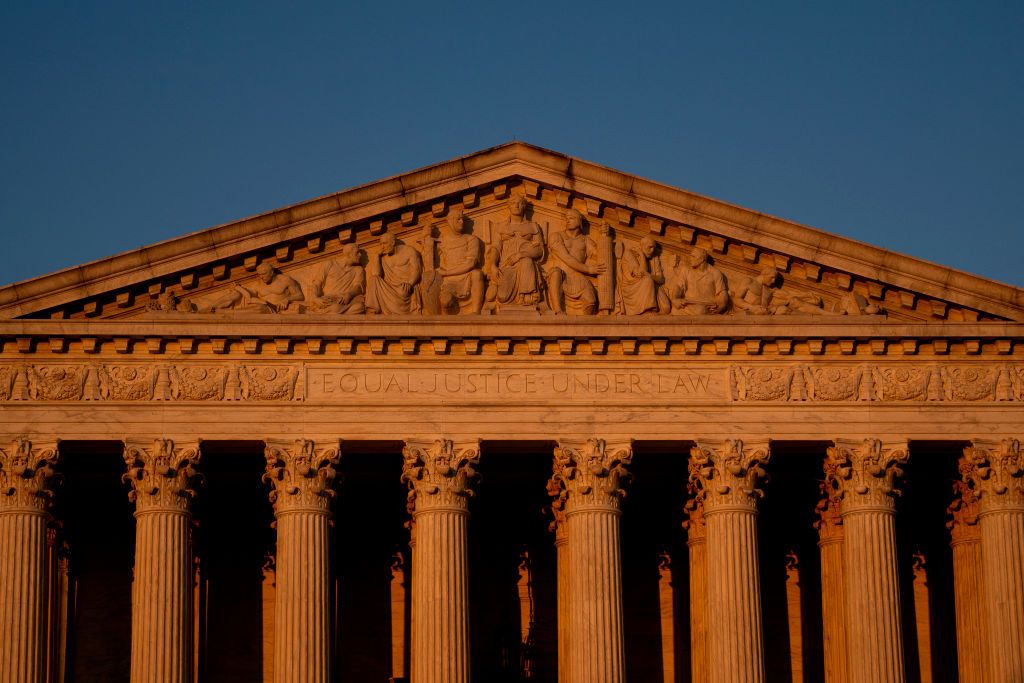
# 9/11 and the Supreme Court
The Supreme Court has shaped the legal landscape following the September 11, 2001 attacks through several landmark decisions that balance national security with constitutional protections. These rulings have defined the boundaries of executive power, detention authority, and surveillance rights for over two decades.
In Hamdi v. Rumsfeld (2004), the Court held that the government could detain enemy combatants captured during armed conflict but required procedural protections to challenge detention. The decision established that habeas corpus rights apply even during wartime, forcing the military to provide detainees with notice of charges and opportunity to rebut evidence.
Rasul v. Bush (2004) extended habeas corpus protections to non-citizen detainees held at Guantanamo Bay. The Court rejected the government's argument that the naval base fell outside U.S. jurisdiction, holding that federal courts retain power to hear challenges to detention there.
Boumediene v. Bush (2008) reinforced these protections when Congress attempted to strip habeas corpus rights through the Detainee Treatment Act. The Court ruled that detainees possess constitutional habeas corpus rights and that military commissions alone could not provide adequate review of detention.
Hamdan v. Rumsfeld (2006) invalidated the military commission system for trying detainees, finding it lacked adequate procedural safeguards required by the Uniform Code of Military Justice and Geneva Conventions.
These decisions established enforceable limits on executive detention power post-9/11. While the Court generally deferred to government assertions of military necessity, it rejected the view that the Constitution suspends during national emergencies. The rulings ensure detainees retain access to courts and procedural protections even when classified as enemy combatants.
The Court's approach prevented indefinite detention without review and required