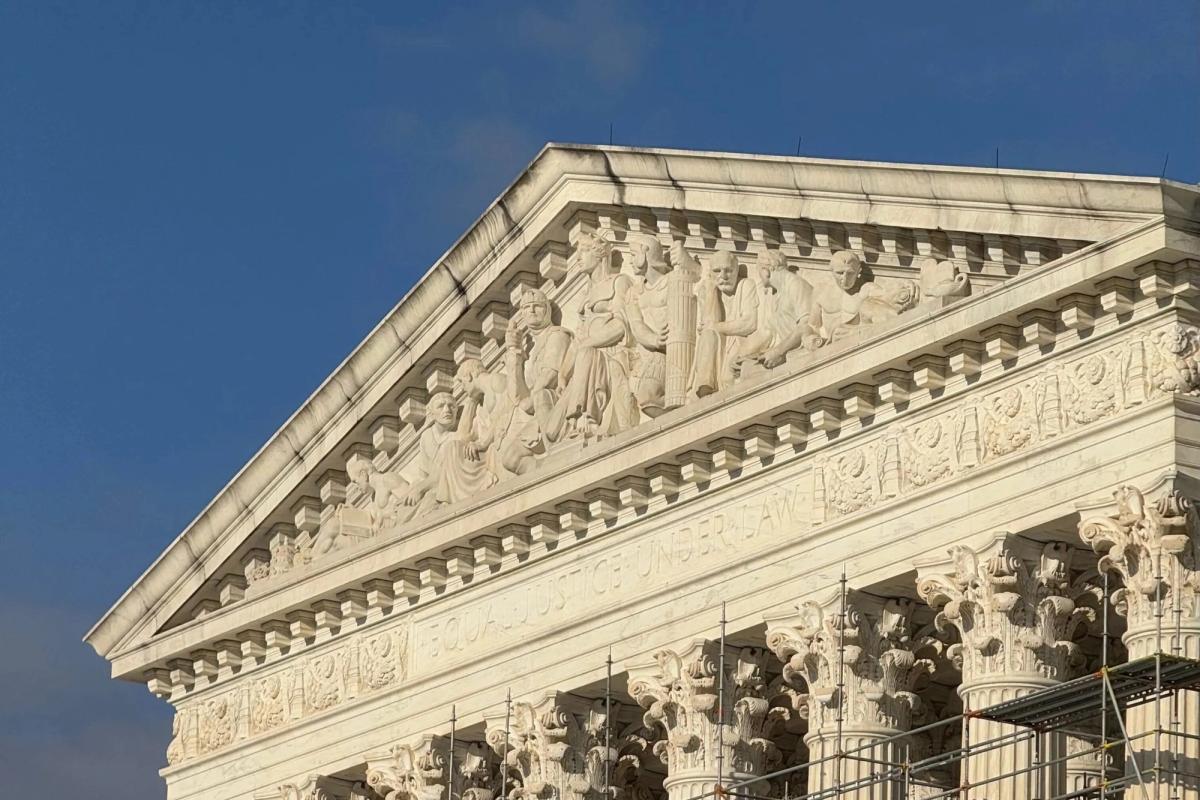
The Supreme Court has scheduled additional election-related cases on its interim docket, signaling continued judicial involvement in voting rights and electoral procedures ahead of the 2024 election cycle. The interim docket serves as a holding area for petitions awaiting full consideration by the justices, allowing the Court to address time-sensitive matters without committing to full briefing and argument.
Election cases landing on this docket typically involve voting access, redistricting challenges, or voter eligibility questions. The Court's decision to hear more such matters reflects the contentious nature of electoral law and the frequency with which parties seek emergency relief or expedited review on voting-related issues.
SCOTUSblog also raises a separate procedural question about whether the Supreme Court should reduce its oral argument time. Currently, most cases receive one hour of argument, typically split evenly between parties. Advocates for shorter arguments argue that written briefs increasingly contain thorough legal analysis, and extended oral presentations duplicate this work. Critics counter that oral argument provides justices irreplaceable opportunity to probe attorney reasoning and explore hypotheticals that shape judicial thinking.
The dual focus reflects broader debates about Supreme Court administration. The interim docket expansion addresses substantive electoral disputes, while the oral argument question touches judicial efficiency and case management. Both issues carry operational implications for how the Court conducts its business.
Election law remains volatile terrain at the Supreme Court. Recent terms have produced rulings on voting maps, ballot access, and voting rights act enforcement. Cases addressing state election authority, candidate ballot access, and voting procedures continue generating petitions. The interim docket expansion confirms that voting disputes will remain before the justices throughout the term.
The procedural debate over argument length reflects practical concerns about managing the Court's caseload while ensuring thorough legal review. Justices typically rely heavily on oral argument to identify weakness in party positions and explore unstated implications of proposed legal rules. Short