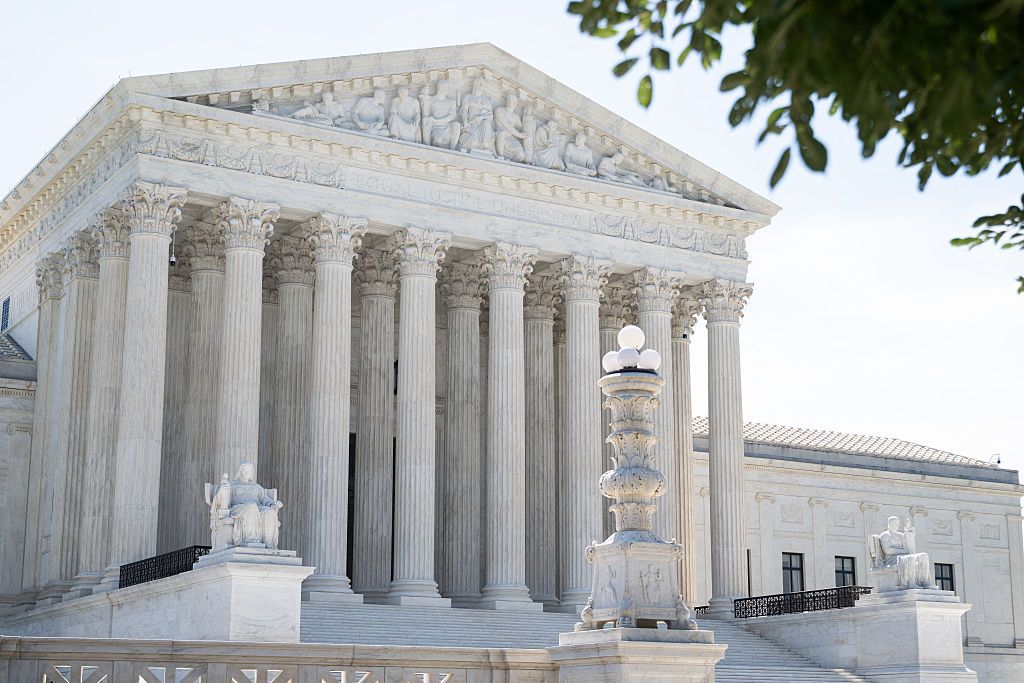
# States, Civic Groups Push Supreme Court to Maintain Ballot Rule Block
A coalition of states and civic organizations filed an emergency petition with the Supreme Court asking justices to preserve a lower court's injunction blocking portions of a Trump administration mail-in ballot rule. The groups seek to prevent the executive branch from implementing the contested provisions while litigation continues.
The underlying dispute centers on a recent Trump administration order that would alter mail-in voting procedures. A federal judge previously issued a preliminary injunction blocking specific components of the rule, finding the plaintiffs demonstrated likelihood of success on the merits and irreparable harm absent judicial protection.
States including California, New York, and others that typically oppose Republican-backed voting restrictions joined the emergency application. Voting rights organizations such as Common Cause and the American Civil Liberties Union accompanied the states in urging the Court to deny any Trump administration request to lift the injunction.
The petitioners argue that allowing the rule to take effect would create ballot access chaos and voter confusion across multiple jurisdictions. They contend that mail-in voting procedures established by state law would face direct conflict with federal executive action, creating constitutional federalism questions.
Trump administration officials countered that the lower court exceeded its authority by blocking executive action on voting administration. They argued the order represents a proper exercise of presidential power within statutory constraints and that the block disrupts efficient federal election administration.
The emergency application requires rapid Supreme Court action. The Court must decide whether to maintain the status quo pending full briefing and argument, or allow the administration to move forward with implementation. Justices often grant such stays when the applicant demonstrates a reasonable probability of success on the merits and irreparable harm from the lower court order's continuation.
This dispute reflects broader judicial tension over executive power, state voting authority, and mail-in ballot procedures heading into the 2024 election cycle. The outcome will determine whether millions of voters face immediate