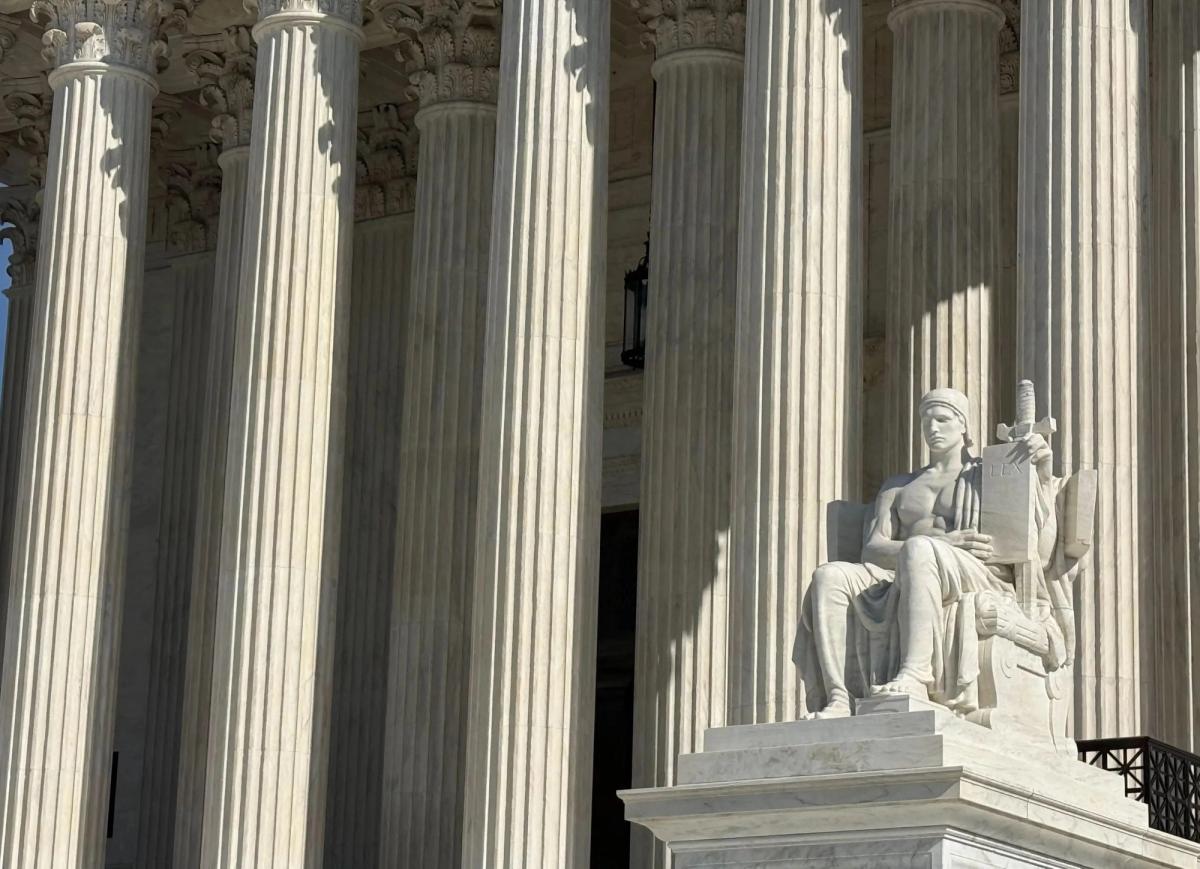
# Missouri Congressional Redistricting Returns to Supreme Court
The U.S. Supreme Court has agreed to hear a new challenge to Missouri's congressional redistricting plan. The case stems from ongoing disputes over how the state's districts were drawn following the 2020 census.
Missouri Republicans control the state legislature and congressional delegation. In 2021, they enacted a redistricting plan that Democrats and voting rights advocates challenged as an unconstitutional partisan gerrymander. A federal district court in Missouri initially blocked the plan, finding it violated the First Amendment and the Equal Protection Clause by targeting voters based on their political affiliation.
The state appealed, and the Eighth Circuit Court of Appeals reversed the lower court's decision in 2023. That court ruled that the challengers lacked standing to bring the lawsuit under current Supreme Court precedent. However, the appellate panel also noted serious concerns about the redistricting plan's constitutionality, leaving the door open for future litigation.
The Supreme Court's decision to take the case marks the second time it will address Missouri's redistricting disputes since 2020. The justices will examine whether plaintiffs have legal standing to challenge partisan gerrymandering and, if they do, whether the redistricting plan violates constitutional protections.
This case arrives at a critical moment in redistricting law. The Supreme Court has grown more conservative on voting rights issues in recent years, making it uncertain whether the justices will expand or maintain restrictions on partisan gerrymandering challenges. The outcome could affect how states draw congressional districts nationwide and determine whether voters have a viable path to challenge maps they view as rigged.
The case has profound implications for election law and political representation. A ruling favoring Missouri could embolden other states to pursue aggressive partisan redistricting. Conversely, a decision protecting plaintiff standing could open new avenues for challenging districts in both Republican and