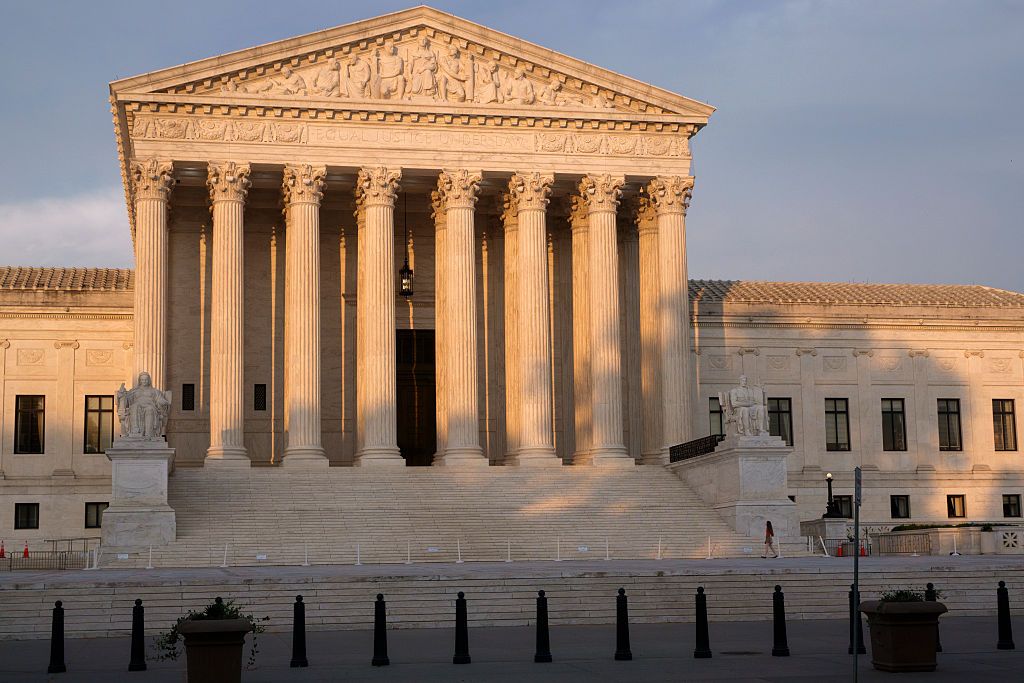
The Trump administration has escalated a dispute over voter database management by petitioning the Supreme Court, citing election-fraud concerns as justification for challenging current practices governing voter registration records.
The petition targets the procedures and maintenance standards applied to state voter databases, which election officials use to verify voter eligibility and prevent duplicate registrations across jurisdictions. The administration argues that existing protocols fail to adequately protect against fraudulent voting and that stronger verification mechanisms are necessary to secure election integrity.
This case reaches the Supreme Court at a moment of heightened scrutiny over voting administration. The Trump administration contends that current database management practices do not comply with federal election law requirements regarding voter list accuracy and maintenance. The specific statutes in question govern how states must handle voter registration information under the National Voter Registration Act and related federal election provisions.
The legal dispute hinges on whether states and election officials possess sufficient authority to implement stricter database protocols or whether federal mandates require uniform standards across all jurisdictions. Election officials in numerous states have resisted calls for enhanced verification measures, arguing that current systems adequately prevent fraud while maintaining ballot access for eligible voters.
The Supreme Court's decision to accept or reject this petition will determine whether the justices will review the substance of the administration's claims. If the Court accepts the case, it could reshape how states manage voter databases and implement verification procedures before federal elections.
Voting rights advocates have expressed concern that stricter database requirements could disenfranchise eligible voters, particularly those with common names or those experiencing homelessness or housing instability. Election administration experts debate whether enhanced verification actually reduces fraud or simply creates administrative barriers.
The Supreme Court typically receives thousands of petitions annually and accepts fewer than 100 cases for full review. The administration's framing of this dispute as an election-integrity matter rather than a voting-access question may influence the justices' assessment of its legal significance and appropriateness for Supreme Court review