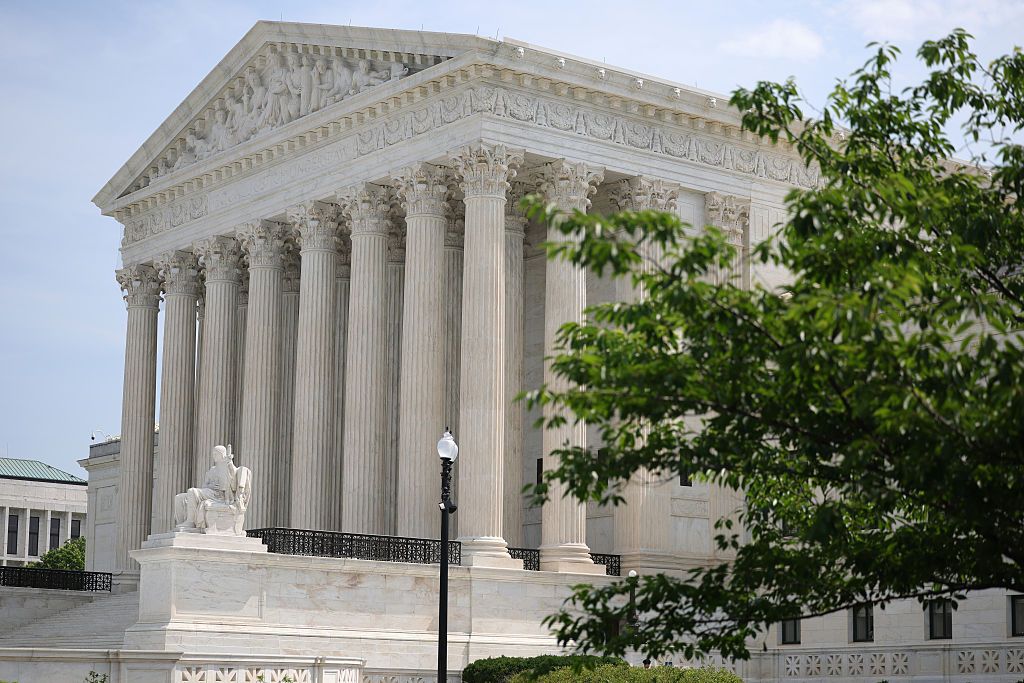
The Trump administration filed a second appeal to the Supreme Court challenging mail-in voting procedures, renewing its legal campaign against expanded absentee ballot access. The administration targets state election rules permitting mail-in voting without strict in-person verification requirements.
The appeal centers on whether states possess constitutional authority to implement mail-in voting systems without federal oversight or uniform standards. The Trump administration argues that mail-in procedures create vulnerability to fraud and lack adequate voter verification mechanisms. It seeks Supreme Court intervention to impose stricter requirements across all states.
This represents the administration's second attempt at the high court on this issue after an initial petition failed to gain traction. The renewed filing signals determination to challenge what the administration characterizes as lax election security standards.
The case carries profound implications for voting access and election administration. A Supreme Court ruling favoring the administration could restrict mail-in voting availability nationwide, potentially affecting millions of voters in the 2024 election cycle. State election officials, particularly in Democratic-leaning jurisdictions, would face mandates to implement new verification procedures, administrative burdens, and possible reduction in absentee ballot access.
Conversely, the Court could reject the appeal, leaving existing state mail-in voting frameworks intact. Multiple states, including battleground jurisdictions, operate extensive mail-in systems without reported widespread fraud. Election security experts remain divided on whether mail-in procedures create meaningful fraud risks compared to in-person voting.
The Supreme Court's response remains uncertain. The justices face pressure from both voting rights advocates, who warn restrictions harm voter participation, and election security proponents who emphasize verification safeguards. The timing before the next general election adds political weight to the Court's decision.
State attorneys general and voting rights organizations are expected to file opposing briefs opposing the administration's petition. Their arguments likely emphasize states' traditional constitutional authority over election administration and the absence of evidence supporting fraud claims.
CATEGORY