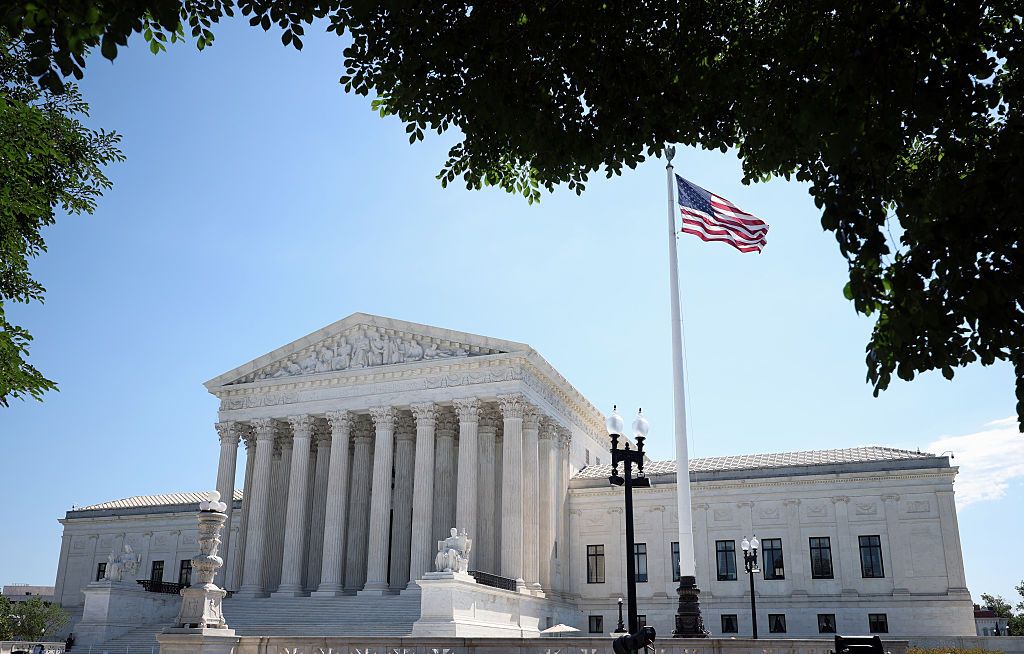
Former President Donald Trump filed a petition for a writ of certiorari with the U.S. Supreme Court on Wednesday, seeking review of the $83.3 million defamation verdict issued against him by a New York jury. The verdict stemmed from a civil defamation case brought by E. Jean Carroll, a writer who accused Trump of sexually assaulting her in the 1990s and then defaming her when he publicly denied the allegations.
The New York jury found Trump liable for defamation and awry (emotional distress) in May 2023. Carroll had sued Trump under New York's anti-SLAPP statute and state defamation law, claiming his statements damaged her reputation and caused her emotional harm. Trump subsequently paid $83.3 million in damages but maintained his innocence throughout the proceedings.
Trump's petition argues the verdict violates his First Amendment rights to free speech and challenges the jury's damages calculation as excessive under constitutional standards. His legal team contends the lower courts erred in permitting the jury to award punitive damages without sufficient constitutional guardrails, citing the Supreme Court's precedent in State Farm Mutual Automobile Insurance Co. v. Campbell, which established that punitive damages must bear a reasonable relationship to actual harm.
The petition also raises questions about whether Trump's statements constitute defamation under New York law, particularly given his status as a public figure and the heightened "actual malice" standard established in New York Times Co. v. Sullivan. Trump's attorneys argue the evidence failed to prove he knowingly made false statements with reckless disregard for truth.
The Supreme Court receives thousands of certiorari petitions annually but grants only roughly 70 to 80 for full review. Courts typically prioritize cases presenting novel constitutional questions or circuit splits. The Court has not yet responded to Trump's petition. Carroll's legal team will file opposition