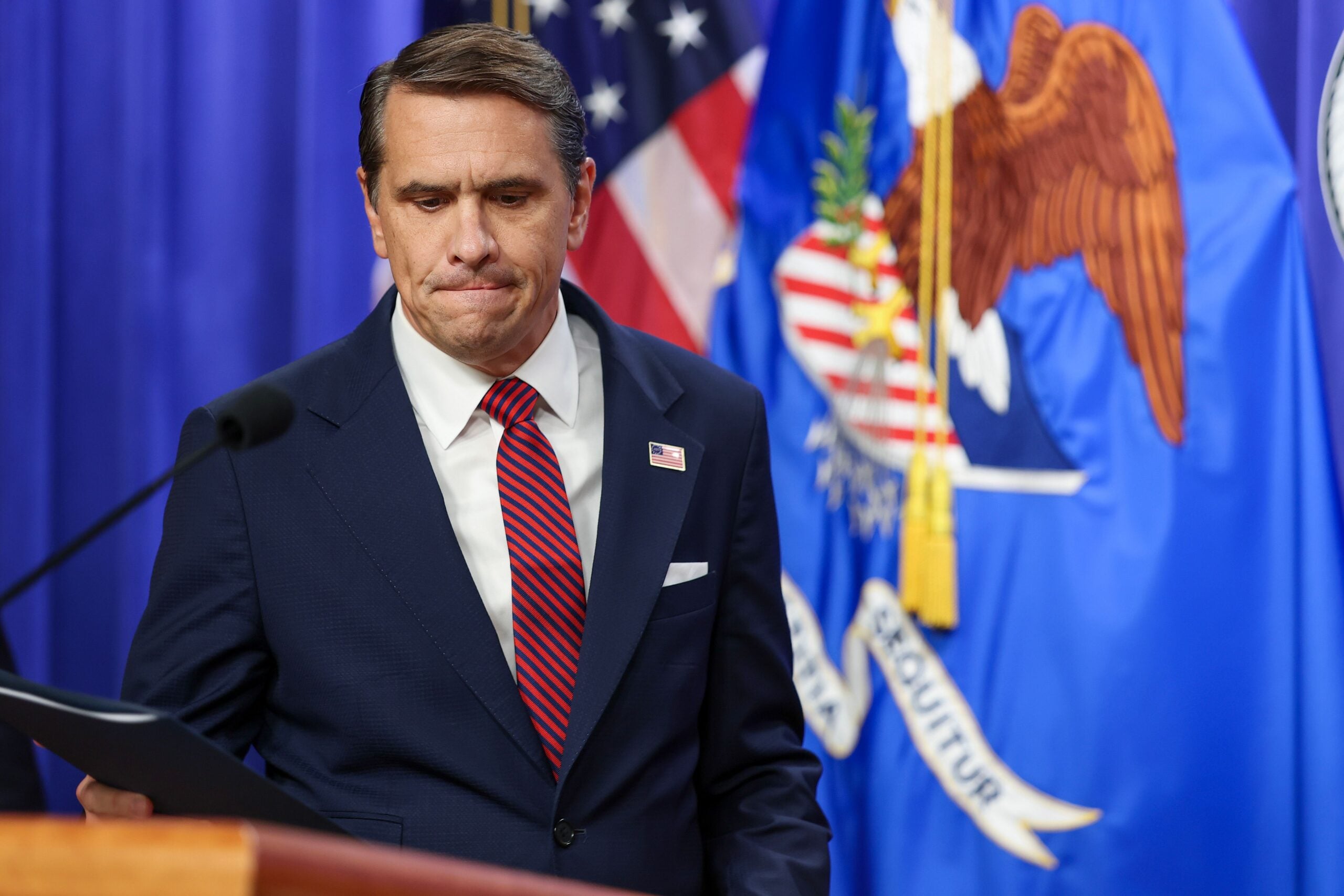
Todd Blanche, Donald Trump's nominee for Deputy Attorney General, faces a stalled confirmation process after refusing to commit his ethical pledges to writing. Senate Judiciary Committee members have demanded written assurances regarding his recusal from cases involving Trump and his associates, but Blanche has declined to provide them. His confirmation vote has been postponed pending resolution of this impasse.
The refusal to document promises raises red flags about enforcement and accountability. Oral commitments carry minimal weight in confirmation proceedings. Senators require written assurances to create a documented record that can guide the nominee's conduct once in office and provide grounds for removal if violated. Blanche's resistance suggests reluctance to bind himself to specific ethical constraints.
The broader context involves Dr. Anthony Fauci's invocation of the Fifth Amendment right against self-incrimination despite receiving a presidential pardon. Legal experts view this as exposing weaknesses in the rule of law. A pardon eliminates criminal jeopardy, making self-incrimination claims theoretically impossible. Fauci's Fifth Amendment assertion demonstrates how bad faith actors exploit legal procedures even when legal protections should render such claims moot.
These developments signal deteriorating norms around governmental accountability. The Deputy Attorney General oversees civil litigation and shapes DOJ policy on investigations and prosecutions. A Deputy Attorney General unwilling to recuse from matters involving the sitting president raises fundamental separation of powers concerns. The position demands independence from executive pressure.
Blanche's refusal to document ethical commitments contrasts sharply with typical confirmation practice. Previous nominees have routinely provided written recusal pledges. His resistance invites speculation about his willingness to prioritize Trump's interests over prosecutorial independence.
The postponed confirmation vote reflects Senate concern about placing someone in this critical position without documented ethical guardrails. Whether Blanche ultimately provides written assurances will determine whether his nomination