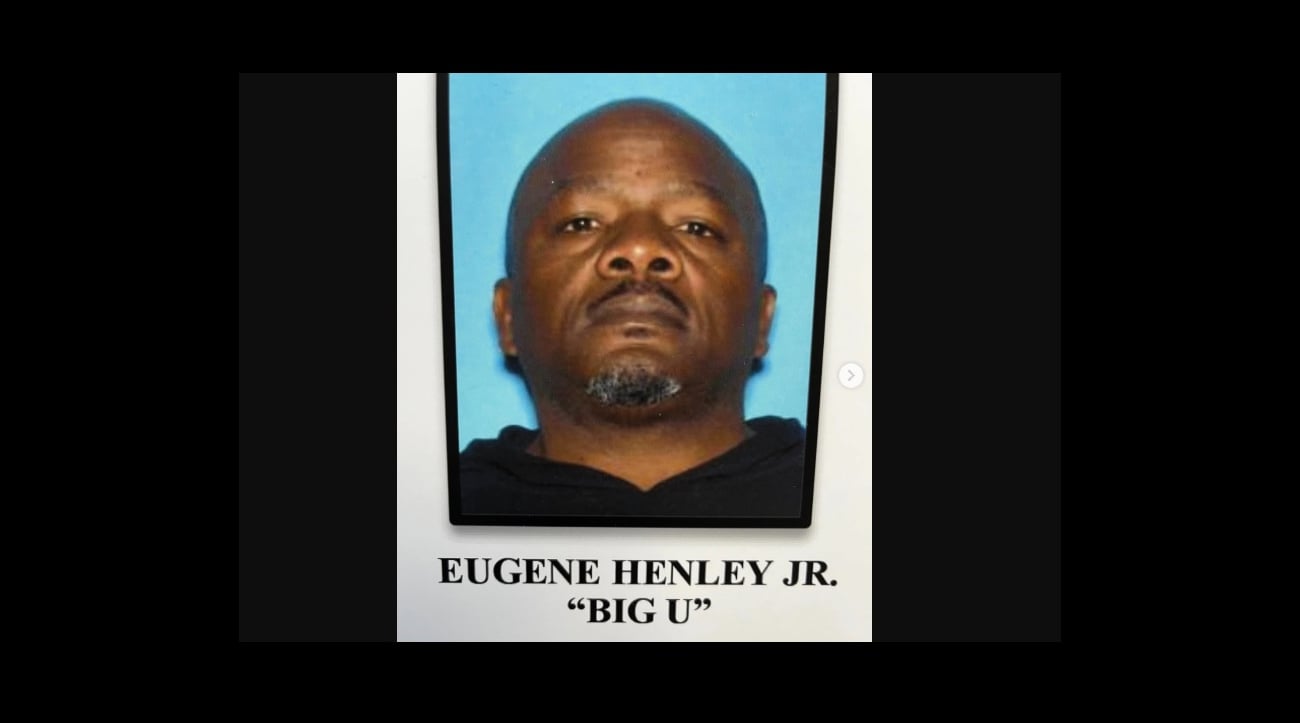
Authorities in Los Angeles charged "Big U," a prominent hip-hop entrepreneur and accused leader within the Rollin' 60s Neighborhood Crips gang, with new criminal offenses stemming from an incident at Los Angeles International Airport. According to court documents, Big U allegedly pursued a Grammy-winning recording artist through LAX to collect money allegedly owed to a Detroit-based associate.
The charges reflect prosecutors' view that Big U used his position in the music industry to facilitate extortion and debt collection tied to gang activities. Court filings describe the airport confrontation as an intimidation tactic designed to compel payment. The specific charges remain subject to judicial determination, but the case underscores law enforcement's aggressive prosecution of gang-affiliated individuals operating in mainstream entertainment sectors.
Big U has maintained a visible presence in Los Angeles hip-hop circles for decades, working as a music entrepreneur and community figure. His alleged dual role as a gang member and entertainment industry player represents the kind of overlap federal and local prosecutors frequently target under racketeering and extortion statutes. The charges tie legitimate music business transactions to alleged criminal enterprise activities, a prosecutorial strategy that complicates the distinction between traditional business disputes and gang-related crimes.
The Grammy-winning artist's involvement elevates the case's profile within the entertainment industry, where security concerns and artist protection have grown increasingly prominent. Prosecutors must prove Big U's intent to extort money through threats or force, a standard requiring evidence of sustained coercion or explicit intimidation beyond a single airport encounter.
The case moves through the Los Angeles County Superior Court system, where bail and preliminary hearing proceedings will determine whether sufficient probable cause exists to proceed to trial. If convicted, Big U faces potential prison time and federal conspiracy charges if prosecutors can establish connections to organized gang activity across state lines. The outcome carries implications for how courts balance First Amendment protections for artists and entrepreneurs with law enforcement efforts to