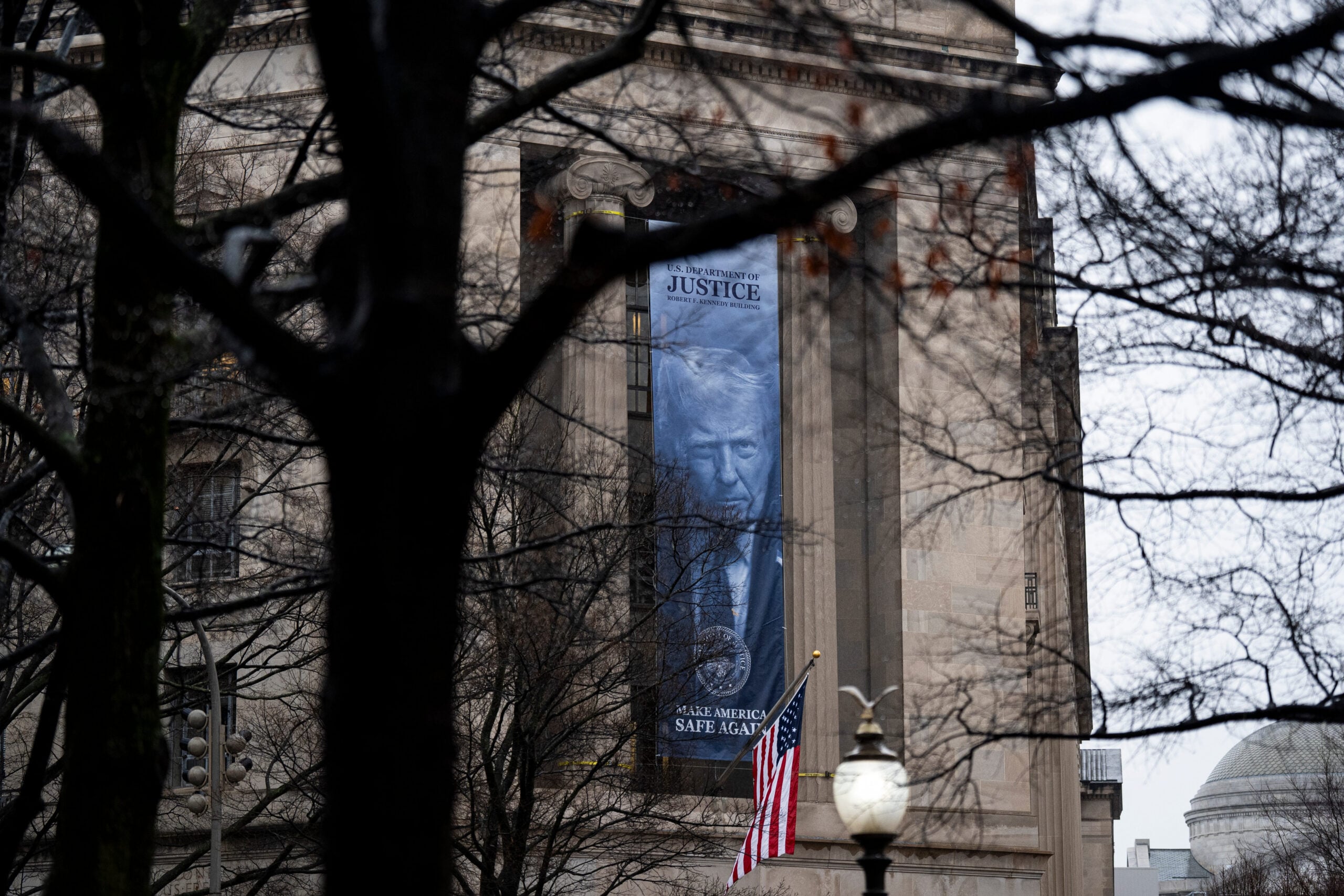
# Withdrawing Attorney General Nominees Has Precedent in U.S. Political History
The withdrawal of a presidential Attorney General nominee represents a recurring feature of American governance rather than an unprecedented action. Historical records demonstrate that presidents have repeatedly pulled AG nominees from consideration when confirmation obstacles emerged or political circumstances shifted.
Nominees for the nation's top law enforcement position face intensive Senate scrutiny. The Attorney General role requires confirmation and operates with expanded prosecutorial powers over federal criminal matters, making the selection process inherently contentious. When a president determines that a nominee lacks sufficient Senate support or faces damaging revelations, withdrawal becomes a practical alternative to failed confirmation votes.
Past administrations across party lines have employed this strategy. The decision reflects calculations about political capital, timing, and the likelihood of securing confirmation for an alternative candidate. A sitting president typically retains the option to nominate a replacement, often selecting someone with stronger bipartisan appeal or fewer controversial background issues.
The current situation involving Trump's Attorney General nominee follows this established pattern. Rather than expend political resources on a confirmation battle destined for defeat, strategic withdrawal allows the administration to regroup and identify a candidate with better prospects. The Senate Judiciary Committee controls the pace and intensity of AG confirmations, giving lawmakers leverage in nominee selection.
Withdrawal differs from rejection through failed confirmation votes. It avoids establishing a formal record of Senate opposition and preserves presidential flexibility in resubmitting nominations or selecting entirely different candidates. For nominees themselves, withdrawal often spares detailed public airing of problematic background material.
The practice underscores the constitutional balance between executive nomination power and Senate confirmation authority. Presidents cannot unilaterally install their preferred AG without legislative approval. This system produces periodic nominee withdrawals as political realities become apparent during vetting and committee proceedings.
Observers expect the pattern to continue. Future administrations will likely face similar decisions when nominees encounter substantial confirmation resistance. The withdrawal mechanism functions