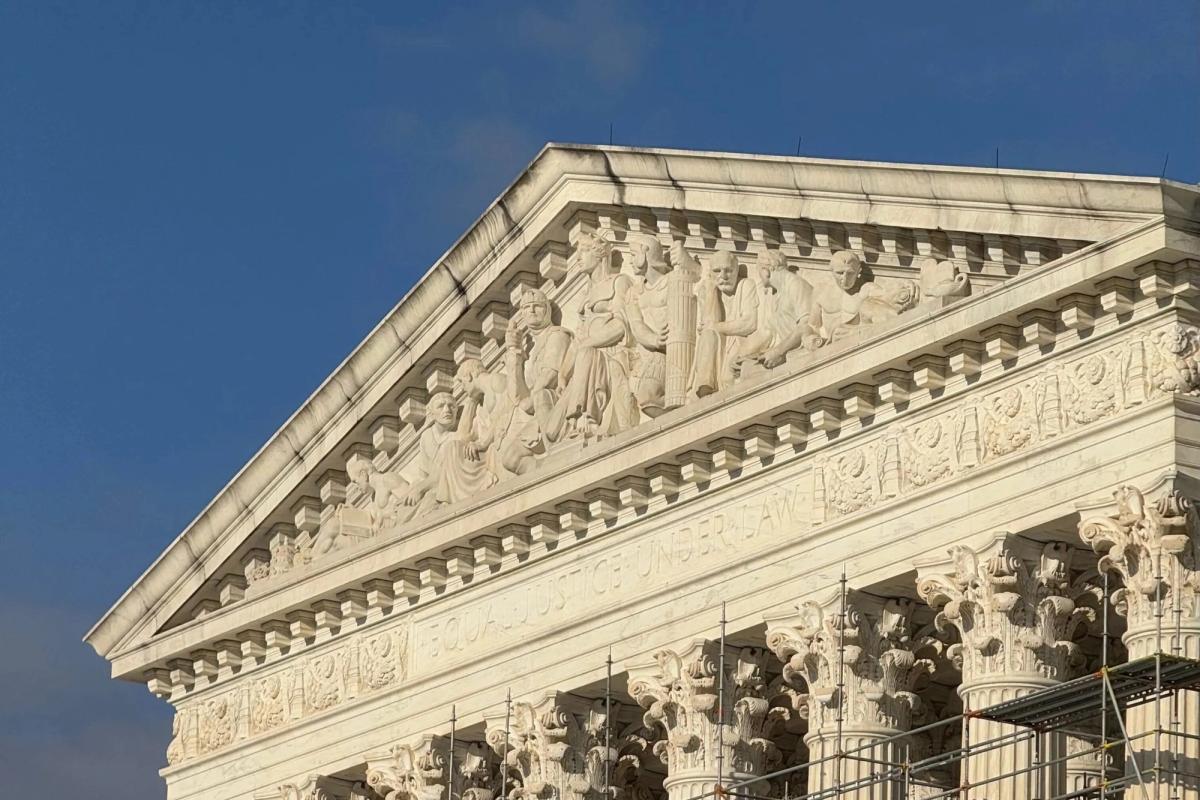
# Judicial Ethics Under Scrutiny as Courts Face Conflict-of-Interest Questions
Judicial ethics has become a focal point of legal and political debate, with questions emerging about recusal standards, financial disclosures, and impartiality on the bench. The issue touches multiple courts and reflects broader concerns about public confidence in the judiciary.
Courts at various levels grapple with establishing clear boundaries for judges handling cases where financial interests, family connections, or prior positions create potential conflicts. Federal judges operate under the Code of Conduct for United States Judges, which requires recusal when impartiality might reasonably be questioned. However, the statute provides judges discretion in applying these standards, creating inconsistency across circuits.
The Supreme Court faces particular scrutiny regarding ethics enforcement. Unlike lower court judges, Supreme Court justices follow voluntary ethics guidelines with no external enforcement mechanism. Justices John Roberts, Clarence Thomas, and Samuel Alito have faced public criticism over failure to recuse from cases involving personal interests or associations. Recent disclosures about undisclosed luxury travel and real estate transactions have intensified calls for mandatory ethics rules and transparency.
Congress has proposed legislation to establish uniform ethics standards applicable to all federal judges, including Supreme Court justices. The proposals would require stricter financial disclosures, formalized recusal procedures, and potential external review mechanisms.
The Trump administration's ongoing restructuring of tariff policy adds complexity to judicial workload, as trade disputes increasingly reach federal courts. Tariff litigation demands judges assess constitutional authority, international agreement compliance, and regulatory procedure adherence, areas where judges must navigate technical complexity while maintaining ethical neutrality.
Practical implications extend to litigants. Ambiguous ethics standards create uncertainty about case outcomes and appellate success. Corporations challenging tariffs or seeking judicial remedies need confidence that assigned judges operate without conflicts. Without uniform enforcement, identical conflicts produce different recusal decisions across