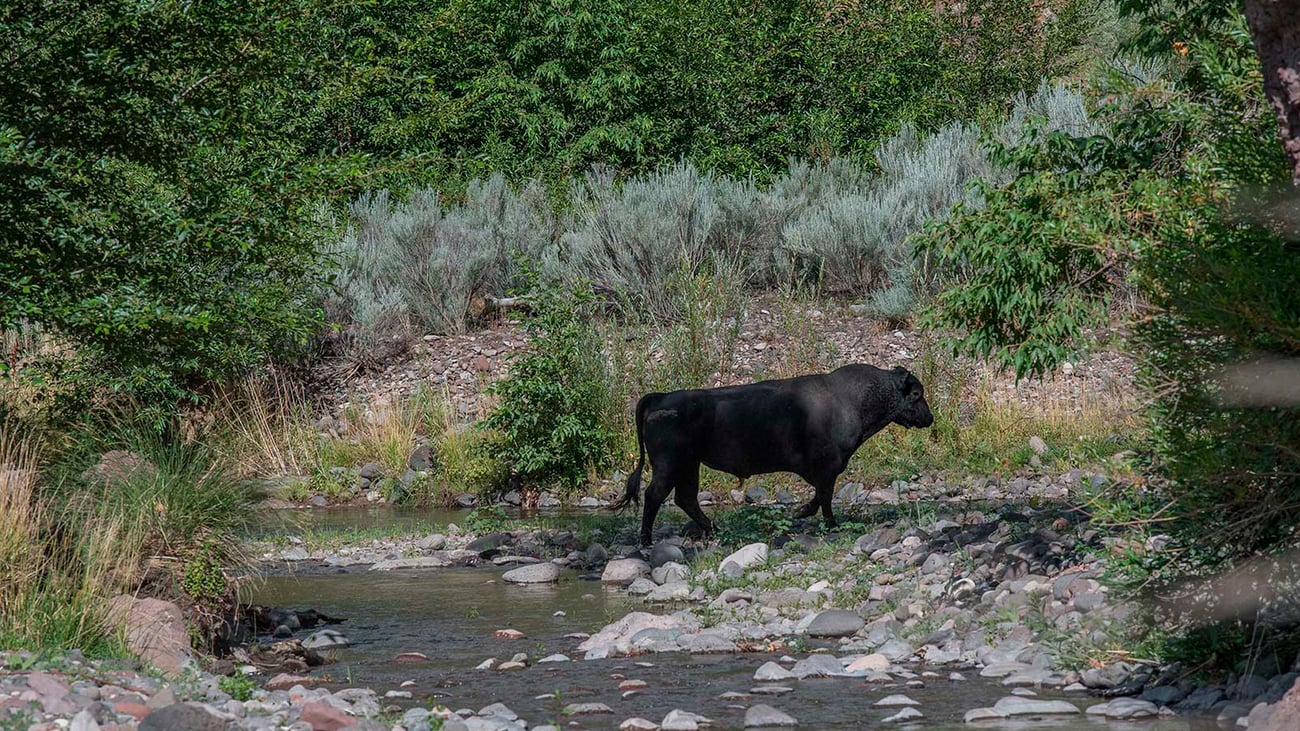
Conservation groups have filed suit against the Trump administration, challenging federal permits that authorize livestock grazing on public lands in Arizona. The nonprofits contend that cattle grazing threatens species dependent on riparian ecosystems along rivers and waterways.
The litigation targets grazing permits issued by federal land management agencies, likely the Bureau of Land Management or U.S. Forest Service, which oversee millions of acres of public land across the Southwest. The conservation plaintiffs argue the agencies violated the Endangered Species Act and National Environmental Policy Act by failing to adequately assess impacts on protected wildlife and aquatic habitats.
Cattle operations significantly alter riparian zones through vegetation removal, soil compaction, and water consumption. These degraded habitats endanger species including native fish, amphibians, and plants adapted to southwestern riverine environments. Conservation groups contend that environmental reviews supporting the grazing permits lacked sufficient analysis of cumulative ecological damage.
Federal land management involves balancing competing interests. Livestock grazing generates revenue and supports rural economies, particularly in western states where ranching remains culturally and economically rooted. However, federal law requires agencies to protect endangered species and consider environmental consequences before issuing permits.
The suit reflects ongoing tension between conservation and agricultural uses of public lands. Similar litigation has challenged grazing permits across the West, with courts sometimes requiring agencies to strengthen environmental safeguards. The outcome depends on whether the court finds the administration's permit review adequate under applicable environmental statutes.
The Trump administration has prioritized expansion of extractive and agricultural uses on federal lands. Conservation groups argue this approach subordinates environmental protection to economic development. The case will test whether federal courts enforce statutory environmental obligations or defer to agency determinations favoring grazing continuation.