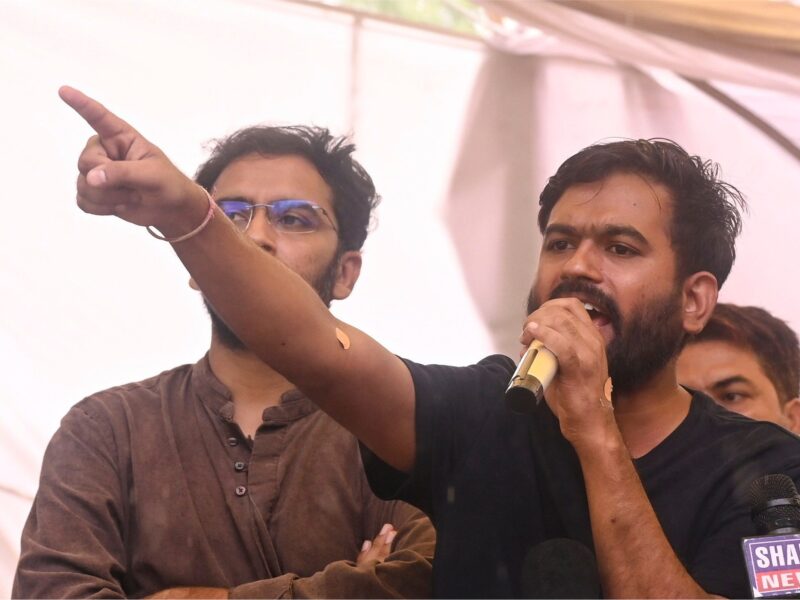
Sonam Wangchuk, a prominent Indian activist and engineer, ended a 26-day hunger strike after securing commitments from the Indian government to address education policy concerns in the Ladakh region. Wangchuk, known for environmental advocacy and educational reform, launched the fast to pressure the Education Ministry on curriculum and institutional matters affecting Ladakh.
The activist's decision to terminate the hunger strike came after government officials agreed to engage in substantive talks about Ladakh-specific educational frameworks. Wangchuk had demanded that the administration implement changes to preserve local culture and language in schools serving the mountain region, where educational governance falls under the Ministry of Education's purview.
Protest organizers, who adopted the "Cockroach" designation as a rallying symbol, announced they would sustain demonstrations despite Wangchuk's strike conclusion. The broader movement maintains demands for Education Minister Dharmendra Pradhan's resignation, viewing his current educational policies as inadequate for regional autonomy concerns.
The hunger strike represents an escalation in Indian civil society activism regarding federalism and educational self-determination. Ladakh, designated a union territory in 2019, retains limited legislative authority over education policy compared to other Indian states. Wangchuk's approach employs civil disobedience tactics rooted in India's independence movement tradition.
The government's willingness to negotiate signals potential flexibility on regional educational grievances. However, the sustained protest movement indicates activists view initial commitments as insufficient without ministerial accountability. The outcome carries implications for how India's central government addresses regional demands for educational autonomy and cultural preservation.