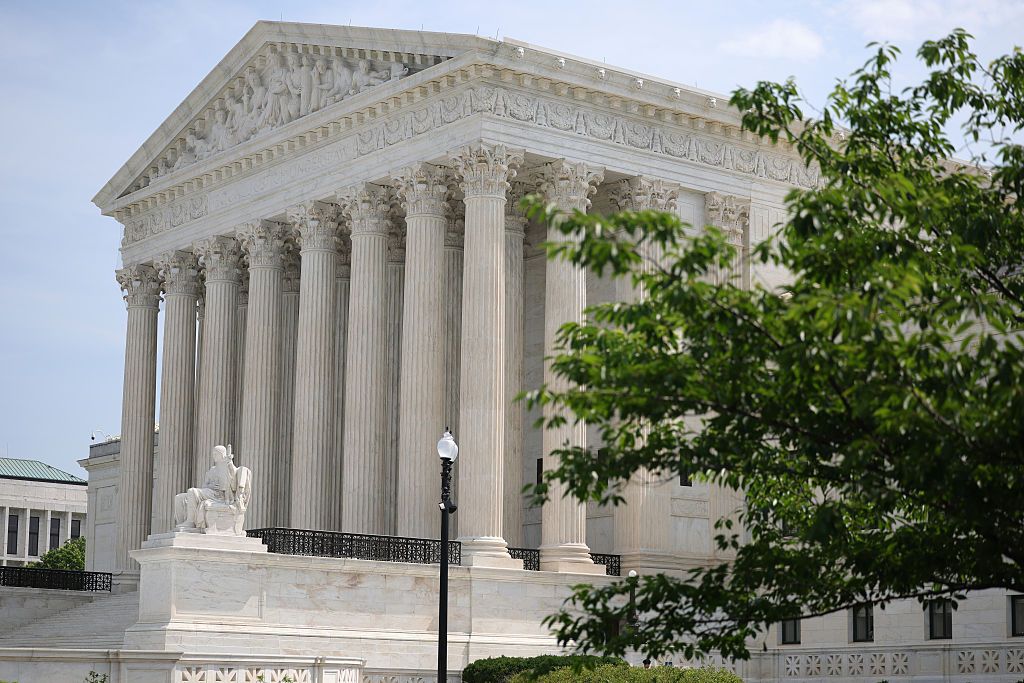
The Trump administration has not filed a petition requesting the Supreme Court rehear its birthright citizenship case, according to SCOTUSblog reporting. The administration's failure to seek reconsideration suggests it may be abandoning or deprioritizing its legal challenge to the 14th Amendment's citizenship guarantee.
The 14th Amendment grants citizenship to all persons born in the United States, regardless of parental immigration status. The Trump administration had challenged this interpretation in litigation, arguing that birthright citizenship should not extend to children of undocumented immigrants. The case reached the Supreme Court, where the administration's position faced substantial headwinds.
Supreme Court justices typically grant rehearing petitions only in extraordinary circumstances. They consider petitions filed within 25 days of the original decision. The deadline passage without a filing from the Trump administration indicates the administration either lacks confidence in its legal position or has shifted its strategy away from immediate Supreme Court action.
This development carries substantial implications for immigration policy. Birthright citizenship operates as a foundational principle in American law, affecting millions of individuals born to immigrant parents. Challenging it requires overcoming significant constitutional, historical, and precedential barriers.
The administration may pursue alternative approaches instead. These could include legislative action in Congress to amend or reinterpret citizenship statutes, executive orders affecting immigration enforcement, or litigation strategies targeting different legal theories or lower court venues.
Immigration advocates have relied heavily on birthright citizenship protections. Any successful legal challenge would fundamentally alter citizenship pathways and create administrative burdens for the federal government in verifying parental status at birth.
The Supreme Court's existing precedent in United States v. Wong Kim Ark (1898) had previously upheld birthright citizenship as constitutional. The Trump administration's apparent decision not to pursue rehearing suggests the justices' reasoning in rejecting or limiting the administration's arguments proved persuasive, or the administration concluded that