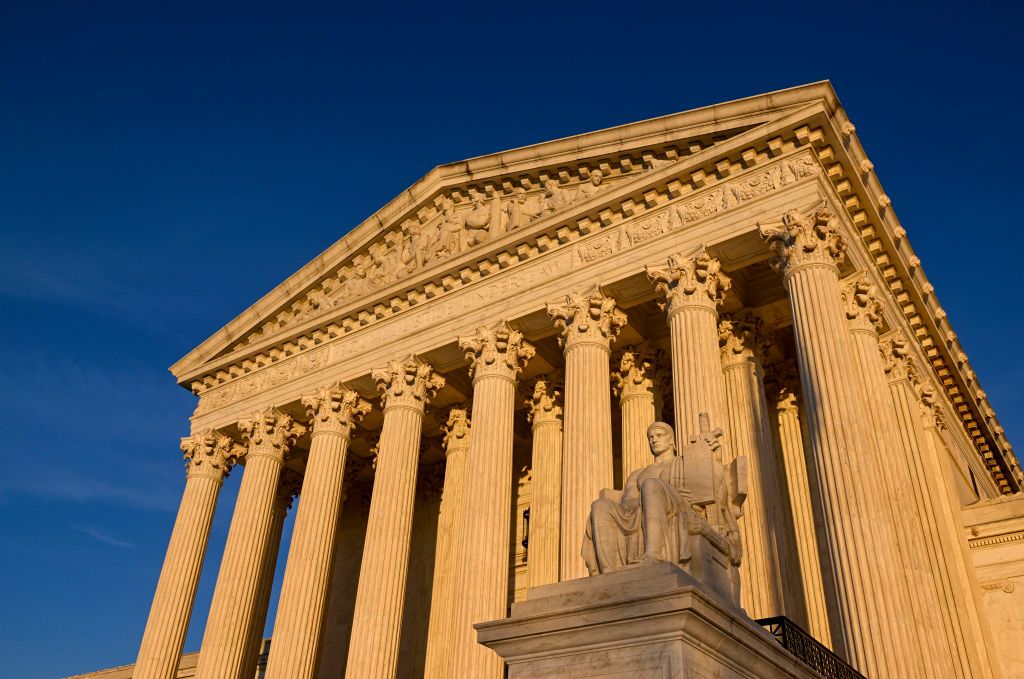
# Supreme Court Term Delivers Sharp Concurring Opinions on Constitutional Power
Justices used concurring opinions this term to stake out competing constitutional theories rather than simply join majority opinions. These separate writings reveal deep fractures on the bench about the proper scope of federal authority, individual rights, and judicial power.
Concurring opinions carry no binding precedent but shape legal doctrine over time. They signal where five justices might move next or expose vulnerability in majority reasoning. This term, several justices filed pointed concurrences that challenged core assumptions in major decisions.
Justice Gorsuch's concurrence in a commerce clause case reframed how courts should evaluate federal power. He rejected the government's rationale while reaching the same outcome, arguing the majority's reasoning left too much discretion to Congress. Gorsuch's separate opinion maps a narrower reading of federal authority that could influence future challenges to environmental regulations and labor laws.
Justice Sotomayor's dissent-plus-concurrence in another decision criticized both the majority and dissenters for abandoning established doctrine. Her opinion articulated a position no current majority embraced, but it signals where she might persuade a future alignment of justices.
Justice Barrett filed a methodical concurrence questioning whether the court should revisit certain precedents at all. Her writing suggests skepticism about wholesale doctrinal overhauls, positioning her as a potential moderate on institutional questions.
These concurrences matter because they preview arguments. Lower courts watch concurring opinions to understand where the Supreme Court might head. Lawyers studying the bench's ideological currents cite them to identify pivot points. Justices use them to recruit colleagues for future cases.
The fragmented opinions reveal the current court cannot build broad consensus on constitutional fundamentals. Rather than unified doctrine, the law advances through competing frameworks that concurring justices develop separately. This creates uncertainty for lower courts