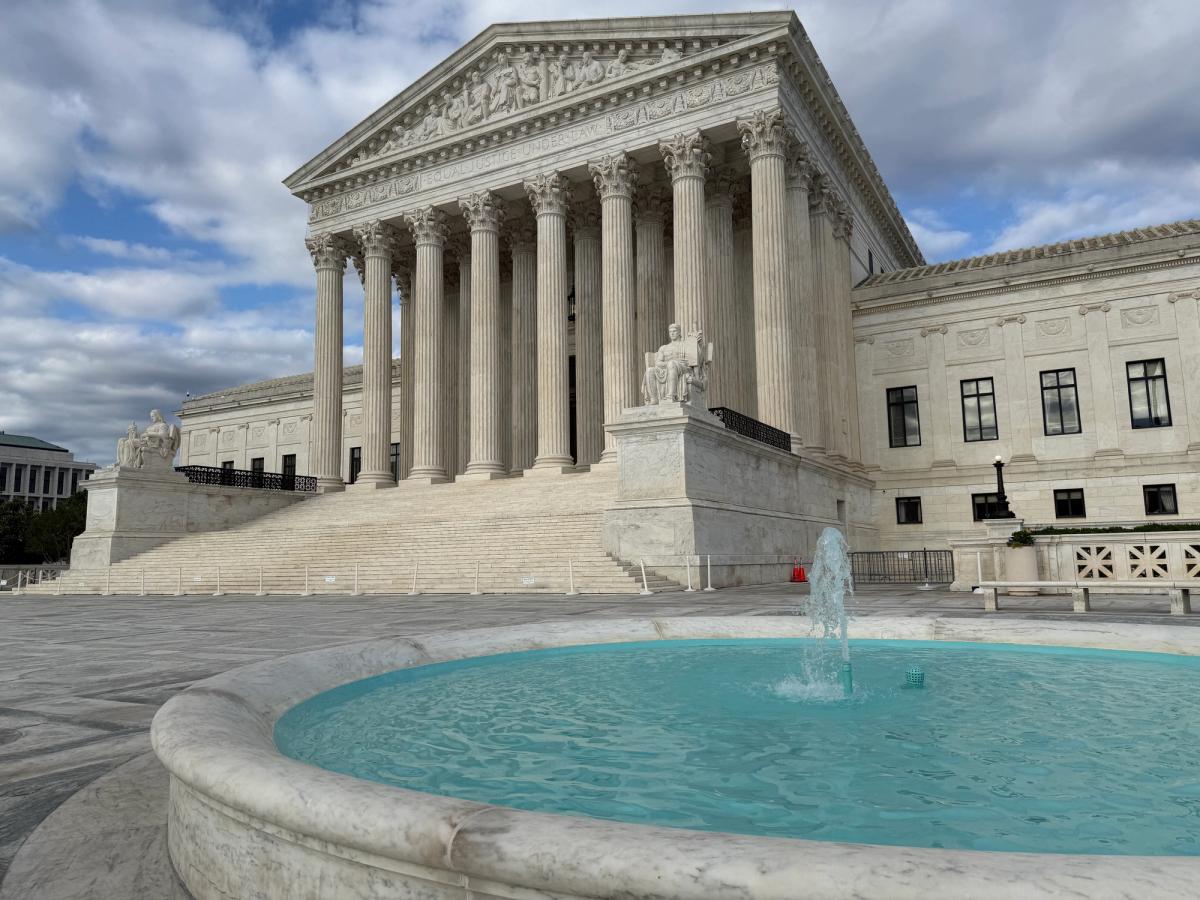
# Courts
The Supreme Court's summer recess consumes roughly two months each year, during which the justices leave Washington to conduct their personal affairs while the nation awaits decisions in pending cases. SCOTUSblog argues this extended break no longer serves judicial efficiency or the public interest.
The modern summer recess originated in an era when justices traveled by horse and steamship, making physical presence in Washington difficult during hot months. Today, air conditioning and telecommunications eliminate those practical constraints. Yet the tradition persists, leaving cases undecided and creating uncertainty for litigants and lower courts forced to operate without final guidance on appellate questions.
Eliminating the summer recess would allow the Supreme Court to issue decisions more promptly. Cases argued during the spring session often sit pending through July and August while justices work remotely. Compressing the recess window or eliminating it entirely would enable faster resolution of contentious issues affecting federal policy, constitutional rights, and commercial disputes.
The proposal also addresses workload imbalances. Federal appellate judges and state supreme court justices work year-round without extended breaks. The Supreme Court's schedule increasingly appears disconnected from the realities of modern judicial practice.
However, the justices have resisted calls for calendar reform. Chief Justice John Roberts has defended the current system, arguing that the extended recess enables thorough deliberation and opinion drafting. Justices use the break to complete remaining opinions and prepare for the next term without time pressure.
Institutional resistance remains formidable. The Supreme Court's internal calendar lacks statutory mandate, giving the justices complete autonomy over scheduling. Congress lacks clear authority to compel changes without constitutional complications.
The practical impact of maintaining the summer recess extends beyond case timing. It affects the entire federal judiciary's output, strains litigants waiting for resolution, and perpetuates a schedule increasingly outdated for a court operating in the