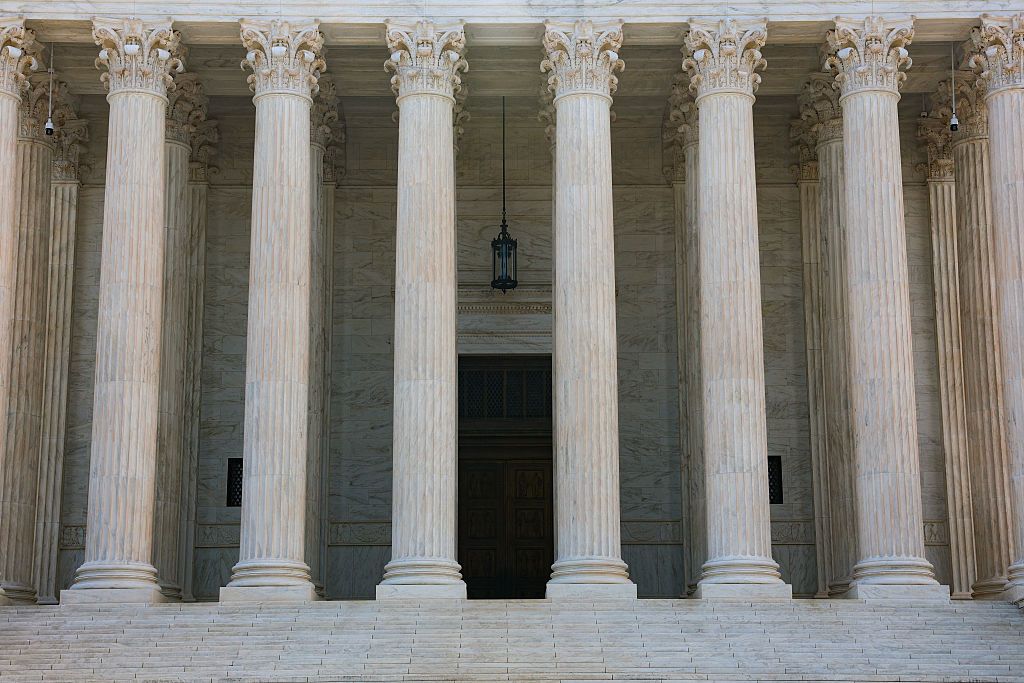
# Supreme Court Justices' Book Deals Draw Calls for Transparency and Ethics Review
Supreme Court justices have secured lucrative book publishing contracts that raise questions about disclosure requirements and potential conflicts of interest, according to analysis of recent publication deals.
Justice Clarence Thomas, Justice Samuel Alito, Justice Neil Gorsuch, and other members of the bench have negotiated book deals worth hundreds of thousands of dollars in recent years. These arrangements occur with limited public disclosure and without formal ethics review processes comparable to those governing lower court judges.
The contracts raise substantive concerns about who funds these agreements and whether publishers expect favorable treatment on matters affecting their corporate interests. Justice Thomas received a $900,000 advance for his memoir from Penguin Random House. Justice Gorsuch signed a book deal reported to exceed six figures. Justice Alito's recent publication also generated significant financial returns.
Federal judges below the Supreme Court face stricter disclosure requirements under the Ethics in Government Act and the Code of Conduct for U.S. Judges. Lower court judges must publicly report book income and recuse themselves from cases involving their publishers. Supreme Court justices operate under a voluntary ethics code with no binding enforcement mechanism and no requirement to recuse based on book-related financial interests.
The justices argue they follow ethical principles informally. However, critics contend that the absence of mandatory disclosure and binding conflict-of-interest rules creates appearance problems and lacks accountability. Publishers with business before the Court theoretically have incentives to bid aggressively for judicial memoirs, potentially creating improper influence.
Legal ethics scholars note that the lack of transparency contrasts sharply with executive branch standards. Presidential cabinet members and federal officials face detailed financial disclosure requirements and ethics restrictions.
The issue has prompted calls for the Supreme Court to adopt formal disclosure requirements and binding recusal rules matching those applicable to lower courts. Advocates argue the Court's legitimacy depends on