# Whale Populations Recovering From Hunting, But Geopolitical Tensions Pose New Threats
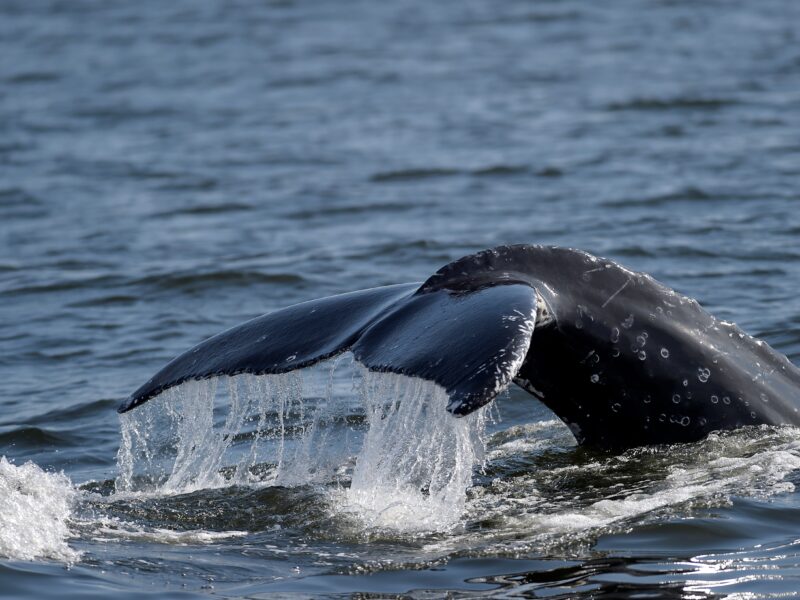
Humpback whale populations show dramatic recovery from commercial whaling, with the species forming "supergroups" that demonstrate successful conservation efforts under international treaty protections. The World Wildlife Fund reports that humpback numbers have rebounded substantially since the International Whaling Commission imposed commercial hunting bans decades ago.
However, recovery remains uneven across whale species. While humpbacks lead in population growth, other species including blue whales, fin whales, and sperm whales show slower or mixed results. The variation reflects differences in reproductive rates, habitat conditions, and enforcement of protection agreements.
A new concern now threatens continued recovery. Tensions in the Iran conflict zone create dangers for migrating whale populations in Middle Eastern waters. Military activity, shipping disruptions, and potential pollution from conflict-related incidents could damage feeding and breeding grounds critical to whale migration routes. The Persian Gulf and surrounding waters serve as vital corridors for several species during seasonal migrations.
The international whaling moratorium, established through the International Convention for the Regulation of Whaling, created the legal framework enabling recovery. Nations that signed the treaty agreed to ban commercial hunts, though limited subsistence hunting by indigenous populations continues in some regions.
Current geopolitical instability introduces enforcement and protection challenges the original treaty framework did not anticipate. Naval activity, mine placement, and fuel spills from military operations could disrupt whale populations despite legal protections on paper. Conservation groups warn that decades of recovery gains face jeopardy if regional conflicts escalate and expand into critical marine habitats.
The supergroup phenomenon observed in humpback populations indicates species resilience when human hunting pressure ceases. These large aggregations signal healthy populations with sufficient food sources. Yet the mixed recovery patterns across species underscore that protection alone proves insufficient without stable environmental conditions and freedom from