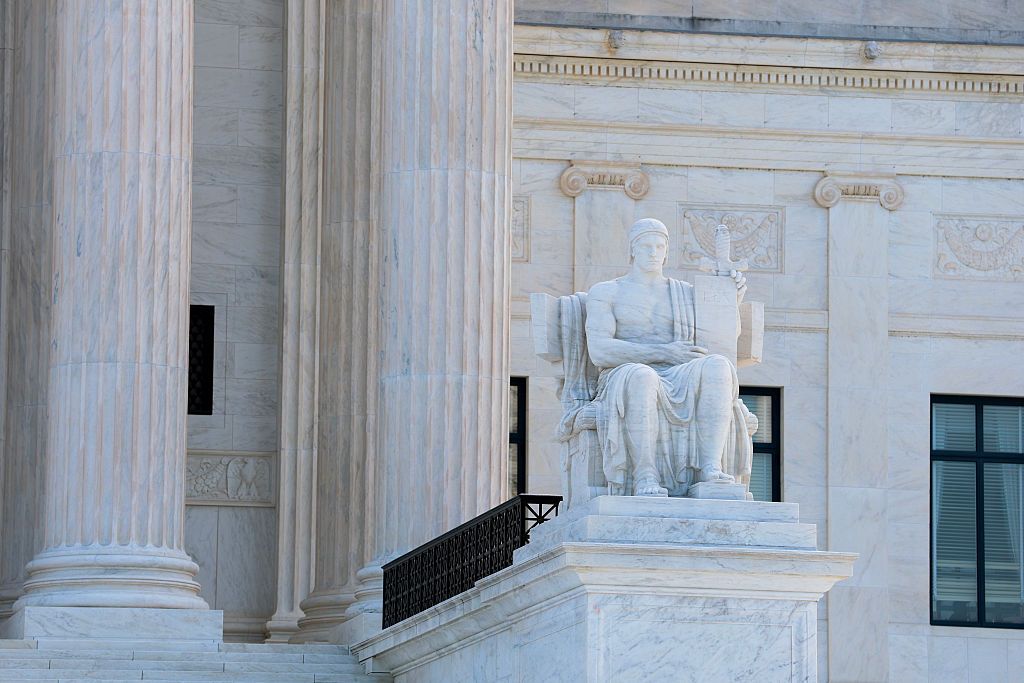
# Supreme Court Takes Civil Asset Forfeiture Case Over Six-Pack of Beer
The Supreme Court has agreed to hear a case examining whether the government properly seized an airplane when it discovered a single six-pack of beer aboard the aircraft. The justices granted certiorari in what legal experts view as a significant test of civil asset forfeiture doctrine.
The case involves an airplane owner whose plane was seized under federal forfeiture statutes after law enforcement discovered the undeclared beer. Civil asset forfeiture allows the government to seize property connected to alleged federal crimes, but the practice has faced mounting criticism from both conservative and progressive legal scholars who argue it violates due process rights.
The core issue before the Court centers on the proportionality of the government's response. Legal analysts debate whether seizing an entire aircraft represents an excessive punishment under the Excessive Fines Clause of the Eighth Amendment for what amounts to a technical violation involving a small quantity of beer.
This case arrives as civil forfeiture faces intensified scrutiny nationwide. Multiple states have enacted reform statutes requiring criminal convictions before property seizure, and federal courts have increasingly applied proportionality tests to forfeitures involving valuable assets. The Supreme Court's decision will clarify whether the Constitution imposes strict limits on forfeiture actions when the seized property's value vastly exceeds the seriousness of the underlying offense.
The justices will determine whether law enforcement agencies must demonstrate proportionality between the property seized and the gravity of the violation. A ruling favoring the aircraft owner could fundamentally reshape civil forfeiture practices across federal and state law enforcement agencies. Conversely, upholding the seizure would signal the Court's deference to government seizure authority even in cases involving technical violations and disproportionate asset loss.
The decision carries implications beyond this specific case. Millions of dollars in property are seized annually through civil forfe