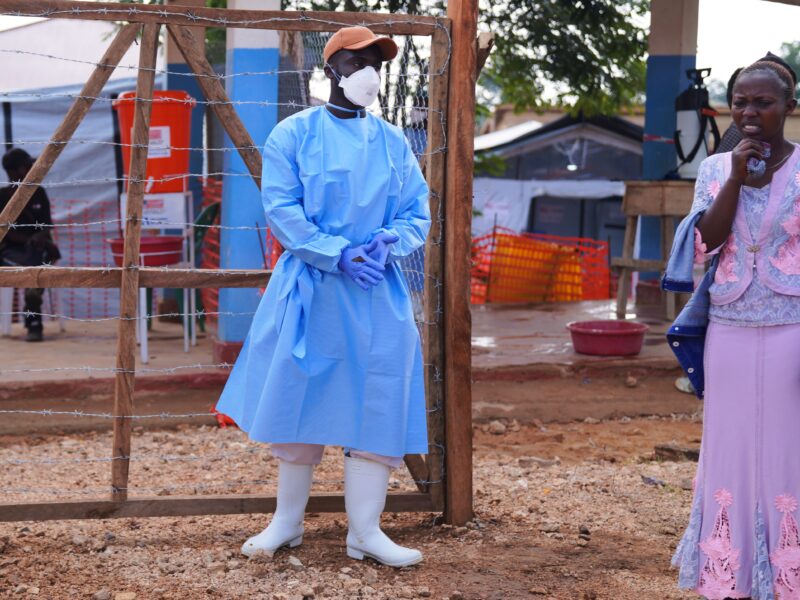
Health workers across the Democratic Republic of Congo have launched strikes as the Ebola outbreak accelerates toward 3,000 confirmed cases and surpasses 1,300 deaths. The labor action reflects deteriorating conditions in a health system already stretched beyond capacity.
Workers cite dangerous conditions, inadequate protective equipment, and unpaid wages as primary grievances. The strikes occur precisely when the DRC needs maximum health worker availability to combat the epidemic's spread. Strike participation varies by facility and region, creating gaps in treatment availability and potentially accelerating transmission rates.
The DRC's health infrastructure lacks resources to manage routine medical demand, let alone a viral hemorrhagic fever outbreak requiring intensive isolation protocols and specialized training. Ebola treatment demands strict infection control measures, hazmat-grade protective equipment, and round-the-clock staffing. The strikes expose the collapse point where worker desperation meets public health crisis.
Government officials have not disclosed concrete plans to address wage arrears or equipment shortages that triggered the labor action. International aid organizations have provided some resources, but supply chains remain fragmented. Healthcare workers face mortality rates substantially higher than the general population; many contract Ebola while treating patients.
The outbreak's trajectory matters for regional stability. Previous DRC Ebola outbreaks killed 11,000 people across West Africa. Neighboring countries monitor case counts closely. Weakened domestic response capacity increases cross-border transmission risk.
Strikes in epidemic settings create legal and ethical tensions. Labor law protects workers' rights to organize against unsafe conditions. Public health law requires healthcare continuity during emergencies. The DRC's weak regulatory framework cannot resolve this conflict through enforcement mechanisms. Worker protection laws exist on paper but lack practical implementation infrastructure.
International health organizations have called for immediate wage payments and equipment procurement. The World Health Organization coordinates response efforts but cannot compel government action. Solutions require DRC leadership to redirect resources toward health worker compensation