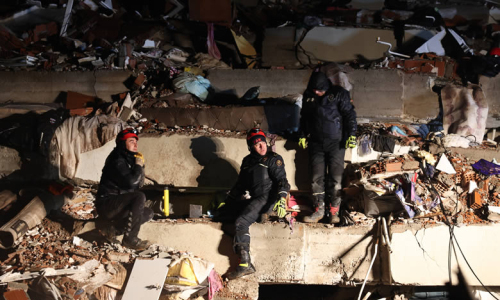
A devastating twin earthquake in Venezuela has killed approximately 1,430 people and displaced millions of residents, according to reports on Saturday. The disaster has created a humanitarian crisis, with millions lacking access to sanitation and essential services. US aid flights have begun arriving in Caracas as the international community responds to the emergency.
Venezuelan interim leader Delcy Rodriguez, backed by the United States, acknowledged public anger directed at local officials' response to the catastrophe. Rodriguez stated that Venezuela was "not alone" in confronting the disaster, signaling that international assistance would supplement domestic recovery efforts. The statement came amid widespread criticism of the government's initial handling of rescue and relief operations.
The earthquake's scale presents complex legal and diplomatic implications. International humanitarian law imposes obligations on nations to accept and coordinate foreign assistance during disasters. The Guiding Principles on Internal Displacement establish frameworks for protecting displaced persons and ensuring access to basic services including water, sanitation, and healthcare. Venezuela's status as a state with contested leadership between the Rodriguez administration and opposition figures complicates the coordination of aid distribution and accountability for relief efforts.
The United States' involvement in aid delivery carries diplomatic weight in the context of Venezuela's ongoing political instability. Emergency assistance agreements typically operate outside normal trade and diplomatic channels, but documentation of aid flows becomes relevant for future reparations discussions and international accountability mechanisms.
Venezuelan authorities must now establish transparent systems for tracking aid distribution and ensuring equitable access across affected regions. The scale of displacement likely triggers obligations under the International Covenant on Economic, Social and Cultural Rights regarding housing, health, and social services. Documentation of losses and property damage becomes critical for potential international litigation and claims before bodies like the International Court of Justice or regional human rights commissions.
The influx of displaced persons also raises questions about internal migration rights and temporary housing solutions under Venezuelan constitutional law, which guarantees the right to adequate housing. The government's response capacity directly affects whether future