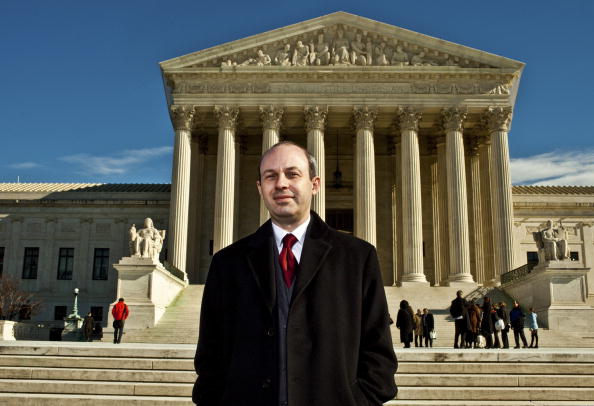
Tom Goldstein, co-founder of SCOTUSblog, the influential Supreme Court news outlet, faces prison time and must pay millions in restitution. Court documents confirm Goldstein's conviction on financial crimes, resulting in the sentencing order requiring both incarceration and substantial monetary penalties.
Goldstein built SCOTUSblog into a respected source for Supreme Court analysis and coverage, attracting readers from legal professionals to policy analysts nationwide. The platform became essential reading for attorneys tracking high-stakes appellate litigation and constitutional law developments.
The restitution requirement reflects the financial harm caused by Goldstein's conduct. Courts impose restitution under the Mandatory Victims Restitution Act and similar statutes to compensate victims for losses directly caused by criminal activity. The specific amount owed will be determined through the sentencing process or subsequent restitution hearings.
Prison sentences for white-collar crimes typically depend on the nature and scope of the offense, the defendant's criminal history, and sentencing guidelines calculations. The combination of incarceration and restitution indicates a serious underlying offense affecting multiple parties.
The case raises questions about governance at SCOTUSblog and oversight of the organization's financial operations. Goldstein's departure from day-to-day operations will impact the outlet's leadership structure and editorial direction during his absence.
For the legal community, Goldstein's downfall represents a rare public failure among prominent appellate specialists. SCOTUSblog's reputation for accurate Supreme Court reporting remains separate from Goldstein's personal criminal liability, though the conviction inevitably affects public perception of the organization's leadership.
The specifics of Goldstein's charges and the quantum of restitution owed remain critical details for understanding the scope of wrongdoing. Federal criminal convictions involving restitution orders typically emerge from fraud, embezzlement, or similar financial crimes affecting