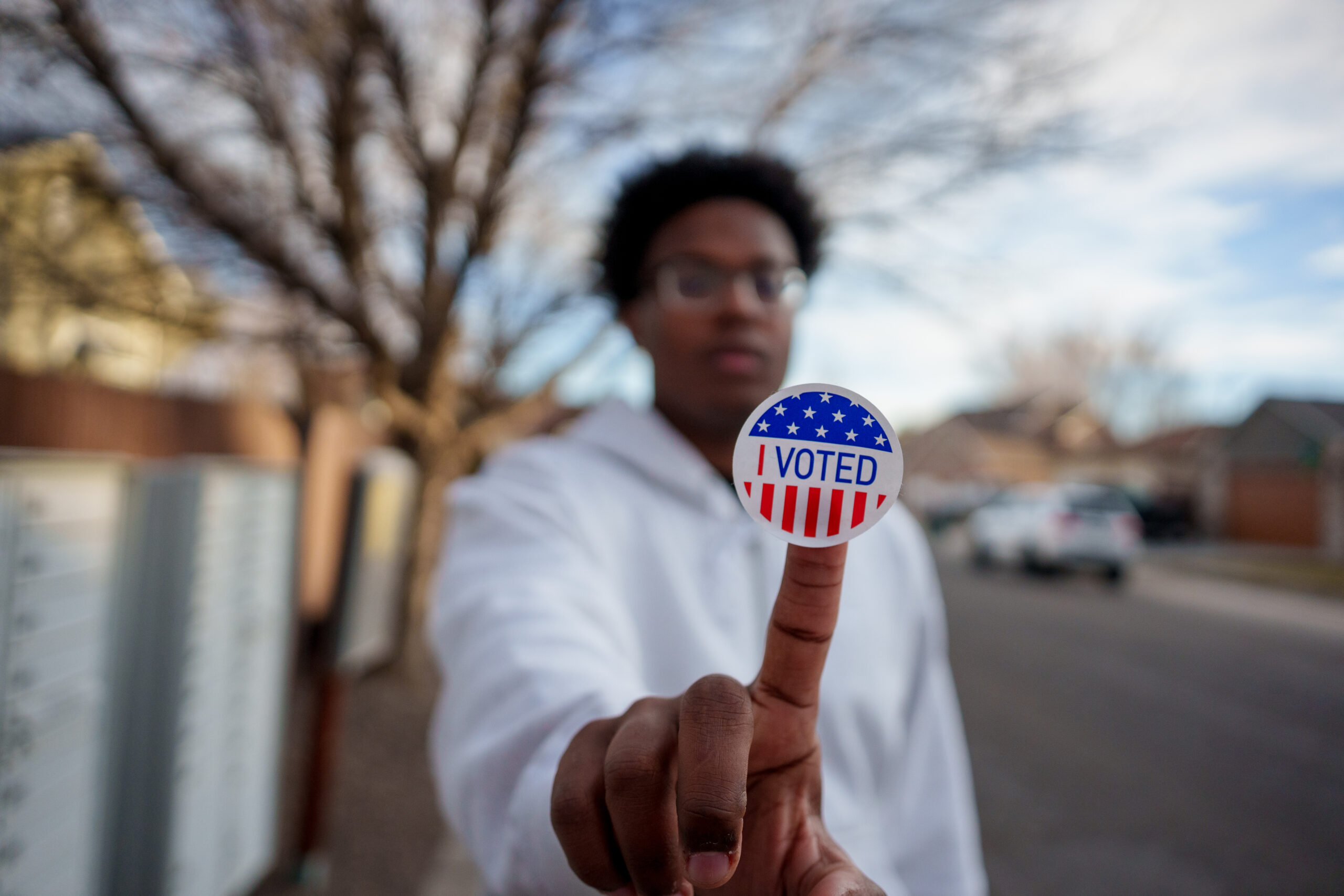
A law student is challenging efforts to expose voter information and compromise electoral privacy rights. The student's legal action targets government or private entities attempting to access, publish, or weaponize sensitive voter data including names, addresses, phone numbers, and voting histories.
The case raises critical questions about the intersection of public records law, voter privacy statutes, and constitutional protections under the First Amendment and state privacy frameworks. Many states maintain voter registration databases as public records, creating tension between transparency principles and individual privacy rights. The student argues that blanket disclosure policies expose citizens to harassment, identity theft, and voter intimidation.
The legal fight likely invokes state voter privacy statutes, the Help America Vote Act (HAVA), and potentially the Fourth Amendment's privacy expectations. The student may be challenging administrative regulations or seeking injunctive relief against specific data requests or publication schemes.
This dispute reflects a broader national trend. Election officials across multiple jurisdictions face pressure from political operatives, data brokers, and litigants demanding voter lists for targeting, polling, or surveillance purposes. Some states have tightened restrictions on voter data access. Others have resisted, arguing that disclosure serves watchdog functions and election integrity monitoring.
The practical implications extend beyond this single case. If the student prevails, courts may establish stronger privacy protections around voter registration data, limiting access for commercial or political purposes. This could constrain campaign operations, ballot initiatives, and transparency efforts. Conversely, if disclosure advocates win, voter data becomes more accessible, raising risks of harassment campaigns and political manipulation.
The case occurs amid broader debates over election administration, data security, and individual privacy in the digital age. Courts increasingly recognize that unregulated voter data release conflicts with voters' First Amendment associational rights and state privacy expectations. The student's fight tests whether privacy protections can survive public records traditions.
WHY IT MATTERS: The outcome determines whether voter privacy can withstand public