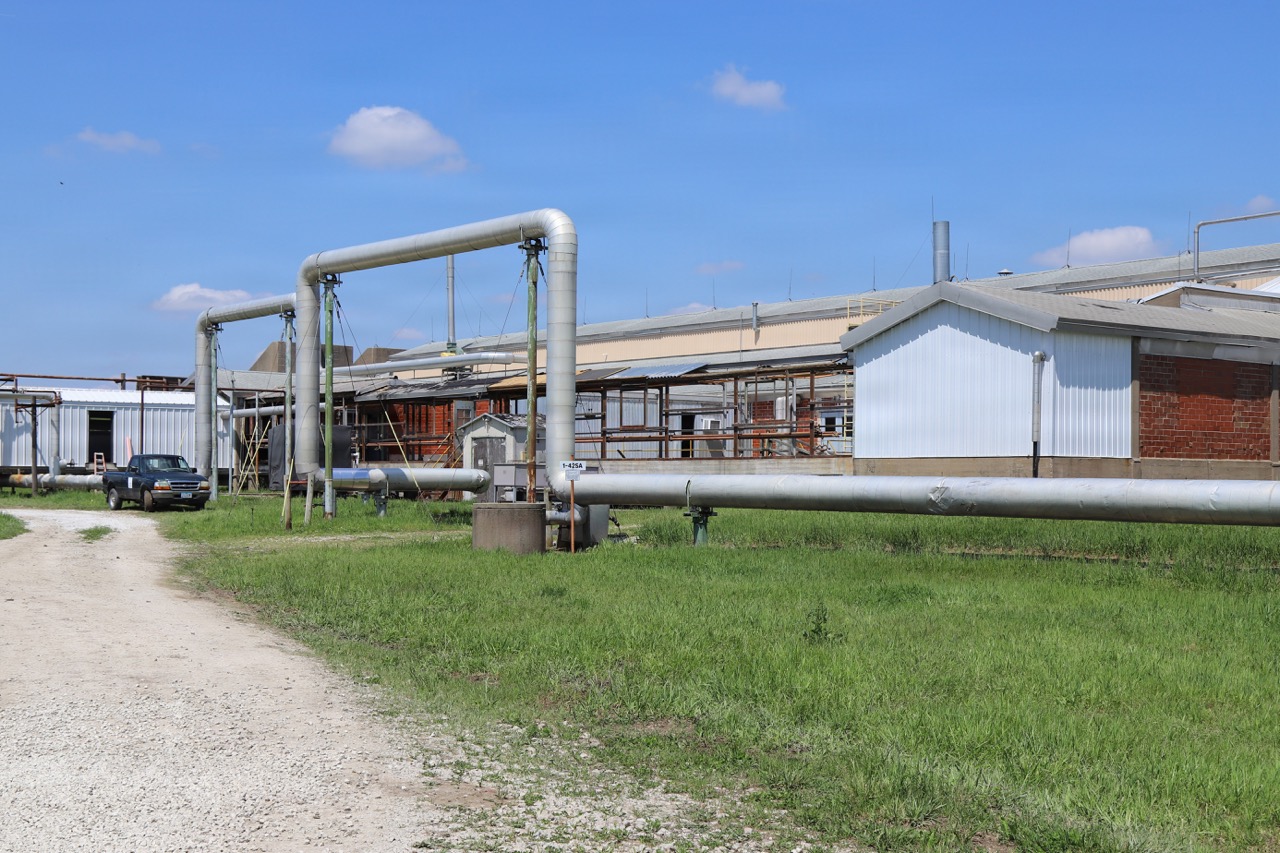
The U.S. Army plans to detonate 68 barrels of lead azide in Middletown, Iowa on Wednesday morning after the 8th U.S. Circuit Court of Appeals approved the controlled removal on Monday.
Environmental groups sued to halt the detonation, challenging an emergency permit issued by the Environmental Protection Agency. A three-judge panel found the EPA adequately incorporated safeguards, including barriers around the storage site, weather restrictions, advance public notification, air modeling, and environmental monitoring.
The Army said the detonation is necessary because the degraded lead azide has crystallized, creating an unstable situation. Army Col. Aaron Teller stated in court filings that the solution inside the barrels is susceptible to freezing, which increases sensitivity of crystals that have formed on the inside of the rims and underside of the lids. "Even a small amount of friction can break the crystal formation, causing an explosive chain reaction," Teller said.
The Army considered alternatives including neutralizing the material with other chemicals and thermal treatment but concluded that handling the drums would increase the probability of an accidental, fatal detonation.
Earthjustice managing attorney Rachel Rintelmann said the organization respects the court's decision but stated that the Army created the emergency through neglect and owes residents more safeguards. Gov.-elect Rob Sand said no good options exist and the situation is more dangerous than it should have been, though he said the decision belongs to the Trump administration.
Residents near Middletown have sealed windows and doors as a precaution. Officials recommend people stay indoors during the detonation and clean outdoor surfaces with water afterward to limit exposure to lead particles. Lead is toxic.