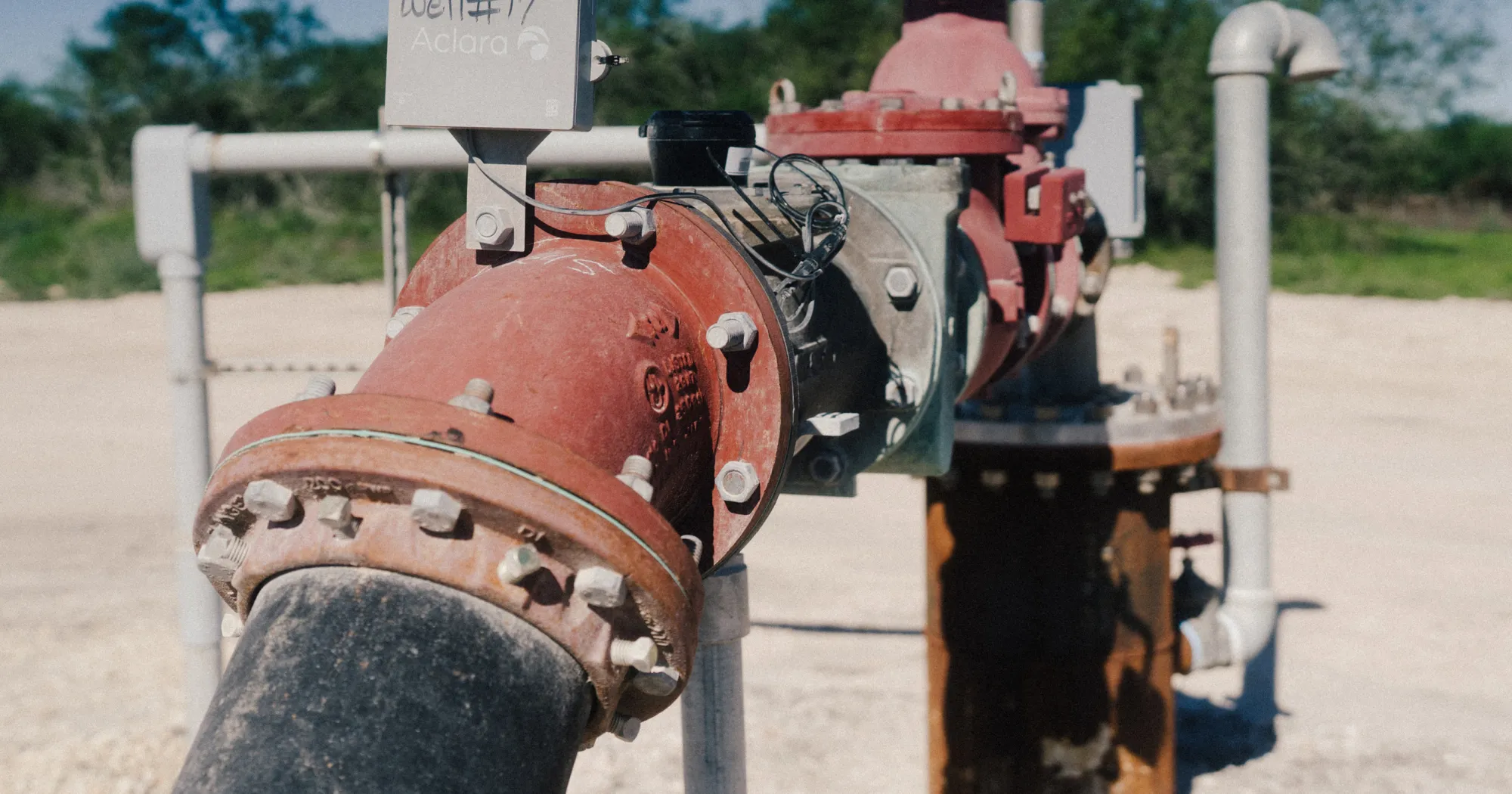
Corpus Christi, Texas began drilling groundwater wells at an accelerated pace in late 2024 to address a drought crisis. The city faced a potential water shortage and was months away from being unable to meet demand.
Rural residents concerned about the drilling's impact on their water access mobilized to create a groundwater conservation district to regulate pumping. In response, city officials designated an existing entity, the Corpus Christi Aquifer Storage and Recovery Conservation District, as the well regulator.
The arrangement created a potential conflict of interest. City Council members appoint the district's board of directors, and the district's staff consists entirely of city employees. This differs from nearly 100 other groundwater districts in Texas, which are led by elected officials or appointees of county governments.
Since fall 2024, the district has approved every city request to drill more wells. The Texas Tribune and KRIS 6 News found that the district fast-tracked permitting for the city and skipped safeguard steps its own rules require to protect other well users. The district has approved permits allowing the city to pump up to 40 million gallons daily from 20 wells, though the city currently uses less than a third of that amount.
A city-commissioned study released this summer concluded the drilling plan could cause land subsidence around the wells and significant drops in nearby water levels.
Drew Molly, former chief operating officer of Corpus Christi's water department and now chief water officer at Houston's water department, called the approval pace "lightning speed" and said it will cause ripple effects locally and statewide.
Water experts warn the permitted pumping volume in such a small area is excessive. Robert Mace, executive director at Texas State University's Meadows Center for Water and the Environment, called the arrangement "the fox guarding the henhouse," stating the district appears to prioritize Corpus Christi's interests over those of other affected landowners.
The city stated in a written statement that "there is no conflict of interest" and that city employees have no personal or financial stake in permitting decisions. The city said it tracks water levels and adjusts pumping based on daily data and long-term modeling.
The groundwater wells represent a temporary solution. Corpus Christi had rejected desalination as a long-term water source, declining twice since 2025 to approve a city-run desalination plant despite state approval of $757 million in loans and selected contractors ready to begin work. Governor Greg Abbott criticized the city in September for "once again failed to secure reliable water."