# Trump Administration Advances Noncitizen Voting Prevention, Supreme Court Likely to Weigh In
The Trump administration is pursuing aggressive measures to prevent noncitizens from voting in federal elections, setting up a confrontation that will probably reach the Supreme Court within months.
The administration's strategy centers on enforcing the Illegal Immigration Reform and Immigrant Responsibility Act (IIRIRA), a 1996 statute that already prohibits noncitizen voting in federal elections. However, the Justice Department under Trump is directing federal prosecutors and immigration authorities to pursue criminal prosecutions and deportation cases targeting noncitizens who attempt to vote, regardless of intent or methodology.
Legal battles have already materialized. Civil rights groups challenge the administration's approach as overly broad and unconstitutional under the Fourteenth Amendment's equal protection guarantees. State election officials in several jurisdictions resist federal overreach into state-administered voting procedures. Election administration experts worry about improper removal of naturalized citizens from voter rolls in enforcement sweeps.
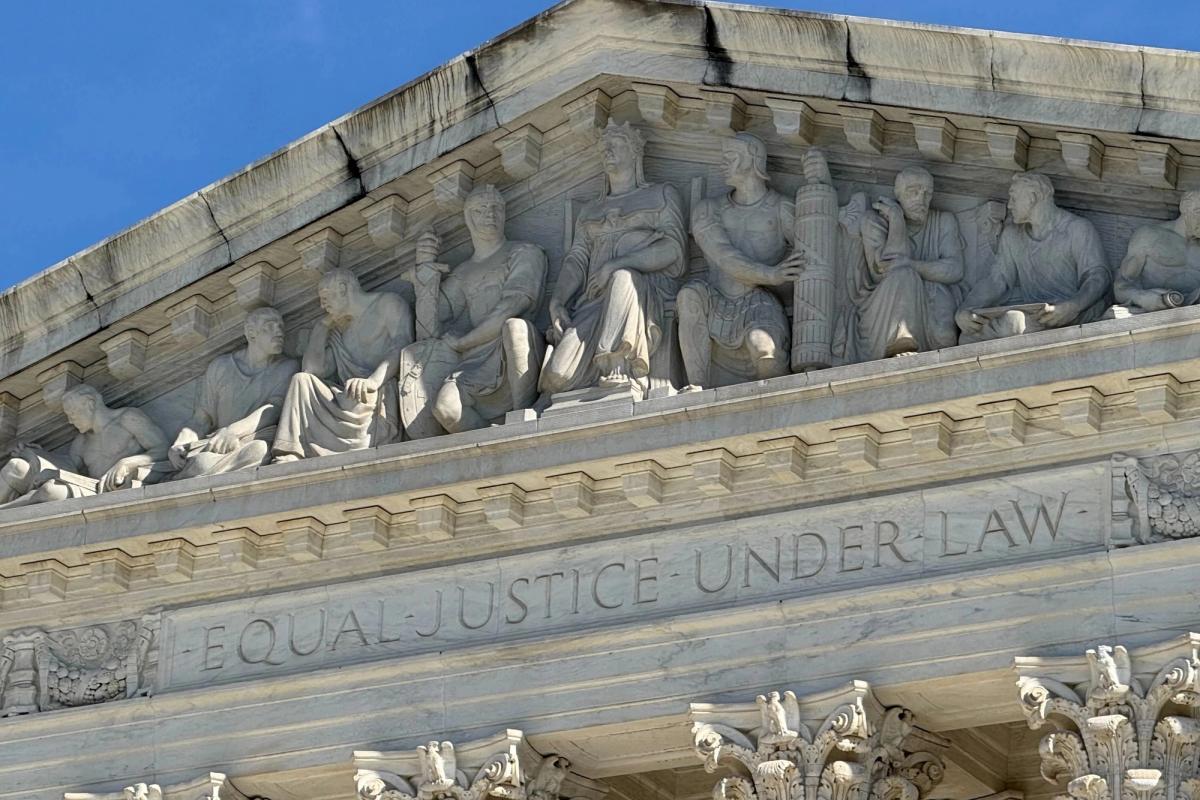
The Supreme Court's role looms large. The justices have never directly addressed whether IIRIRA's criminal provisions comport with constitutional due process requirements, nor have they settled the scope of federal versus state authority over voter roll maintenance. Conservative justices appear sympathetic to federal enforcement powers. Liberal justices likely favor limiting federal authority and protecting against collateral damage to citizen voters.
One critical unresolved question involves burden of proof. Must election officials verify citizenship before processing voter registrations, or do they bear responsibility only after evidence emerges? The administration argues for broad verification requirements. Election officials counter that current practices already screen for noncitizens through DMV records and other databases.
Another flashpoint concerns deportation consequences. If noncitizens face automatic removal after voting, even through honest mistakes about eligibility, immigrants may simply avoid voting despite qualifying for citizenship, chilling participation by eligible populations. Civil rights advocates argue this outcome violates the Voting Rights Act and discriminates against immigrant communities.
The Justice Department has signaled aggressive use of administrative resources. Federal prosecutors have received guidance to prioritize noncitizen voting cases. Immigration and Customs Enforcement (ICE) has expanded investigations into registration databases. The administration justified these actions as necessary election security measures.
States controlled by Republicans largely align with federal enforcement efforts. Democratic-led states resist, arguing the administration's methods exceed statutory authority and create constitutional violations. Pennsylvania, Michigan, and Arizona have faced particular pressure as swing states with contested election administration practices.
Lower federal courts have issued split decisions. The Fifth Circuit and Eleventh Circuit upheld aggressive federal enforcement frameworks in recent decisions. The Ninth Circuit blocked certain verification requirements as unduly burdensome to voters. This circuit split virtually guarantees Supreme Court intervention.
The case will likely reach the Supreme Court during the 2025 term, possibly through expedited review. The justices will confront fundamental questions about election administration, immigration enforcement, and constitutional boundaries between federal and state power.
Business and legal interests closely monitor the outcome. Large employers worry about workforce implications if verification regimes block legitimate workers. Civil rights organizations prepare litigation strategies. Election officials at all levels seek clarity on their obligations and liabilities.
A ruling could reshape voting administration nationwide and establish precedent governing federal-state cooperation on election security matters.