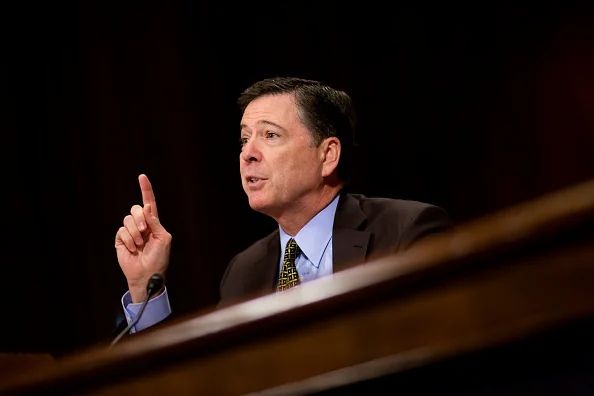
# DOJ Reveals Third Legal Attempt Against Former FBI Director James Comey As Family Faces Ongoing Litigation
The Department of Justice has disclosed a third effort to bring criminal charges against former FBI Director James Comey, escalating a legal campaign that spans years of post-Trump administration prosecutorial action. This development comes as Comey's daughter, Maurene Comey, scored a courtroom victory against Trump administration officials on an unrelated matter the same day.
James Comey served as FBI director from 2013 to 2017 under Presidents Barack Obama and Donald Trump. His firing by Trump in May 2017 ignited intense political and legal consequences. The original dispute centered on Comey's handling of classified materials and his interactions with the Trump administration during the Russia investigation.
The DOJ's succession of legal attempts reflects the volatile political environment surrounding Comey's tenure and departure. Previous charges or investigations targeted specific conduct, though details on the exact nature of each prosecutorial round remain contested between the administration and Comey's legal team. The third attempt signals the government's persistence in pursuing the matter despite earlier setbacks or dismissals.
Maurene Comey practices law and mounted a separate legal challenge involving Trump administration officials. Her victory in that unrelated case demonstrates the family's willingness to engage the judicial system across multiple fronts. The timing of her win and the DOJ's disclosure of the third Comey effort created what legal observers describe as a significant day for the family's interactions with federal authorities.
The legal landscape surrounding James Comey reflects broader tensions over executive power, law enforcement independence, and political accountability. Comey's memoir and subsequent public statements have detailed his perspective on the 2016 election interference investigation and his concerns about Trump's conduct as president. Federal courts have grappled with questions about whether his conduct violated specific statutes governing classified information or other federal crimes.
The DOJ's repeated prosecutorial attempts raise questions about the consistency and sustainability of the government's legal theory. Each iteration requires prosecutors to identify specific violations, present grand jury evidence, and persuade courts that charges meet constitutional and statutory requirements. Comey's legal team has opposed these efforts, arguing that his actions fell within his authority as FBI director or involved protected speech about matters of public concern.
This case unfolds against the backdrop of broader debates about presidential power over the intelligence community and the independence of federal law enforcement. The FBI director's role straddles the executive branch and independent law enforcement authority, creating legal ambiguity in cases where administrative actions intersect with potential criminal conduct.
The disclosure of the third attempt suggests ongoing investigation or grand jury activity. Federal prosecutors maintain discretion to bring charges within applicable statutes of limitations. Comey faces potential exposure under statutes governing classified information handling, false statements, or obstruction. The specific charges involved in each of the three attempts have not been uniformly reported.
The family's simultaneous engagement with federal courts, through both James Comey's defensive litigation and Maurene Comey's successful offensive action, underscores how prominent families navigate federal litigation across multiple dimensions. Comey has retained experienced white-collar criminal defense counsel to address the prosecutorial efforts.