# Midterm Elections Could Reshape Congressional Approach to Ukraine Military Funding
The 2024 midterm elections carry direct consequences for U.S. military aid to Ukraine, with Democrats arguing that electoral gains would restore Kyiv's defense needs to Congress's legislative priorities.
The relationship between domestic politics and foreign military assistance remains contentious. Republican opposition to continued Ukraine funding has grown since the initial 2022 invasion response. Some GOP lawmakers argue the Biden administration has committed excessive resources to European defense while domestic infrastructure and border security languish. Democrats counter that sustaining Ukraine's military capability serves core American strategic interests by degrading Russian military capacity without direct U.S. troop deployment.
Congressional control determines budget allocation authority. The House of Representatives originates all spending measures under the Constitution's Appropriations Clause. A Democratic House maintains continuity with current Ukraine aid policies. A Republican takeover would shift committee leadership and legislative priorities, potentially freezing or reducing military assistance packages.
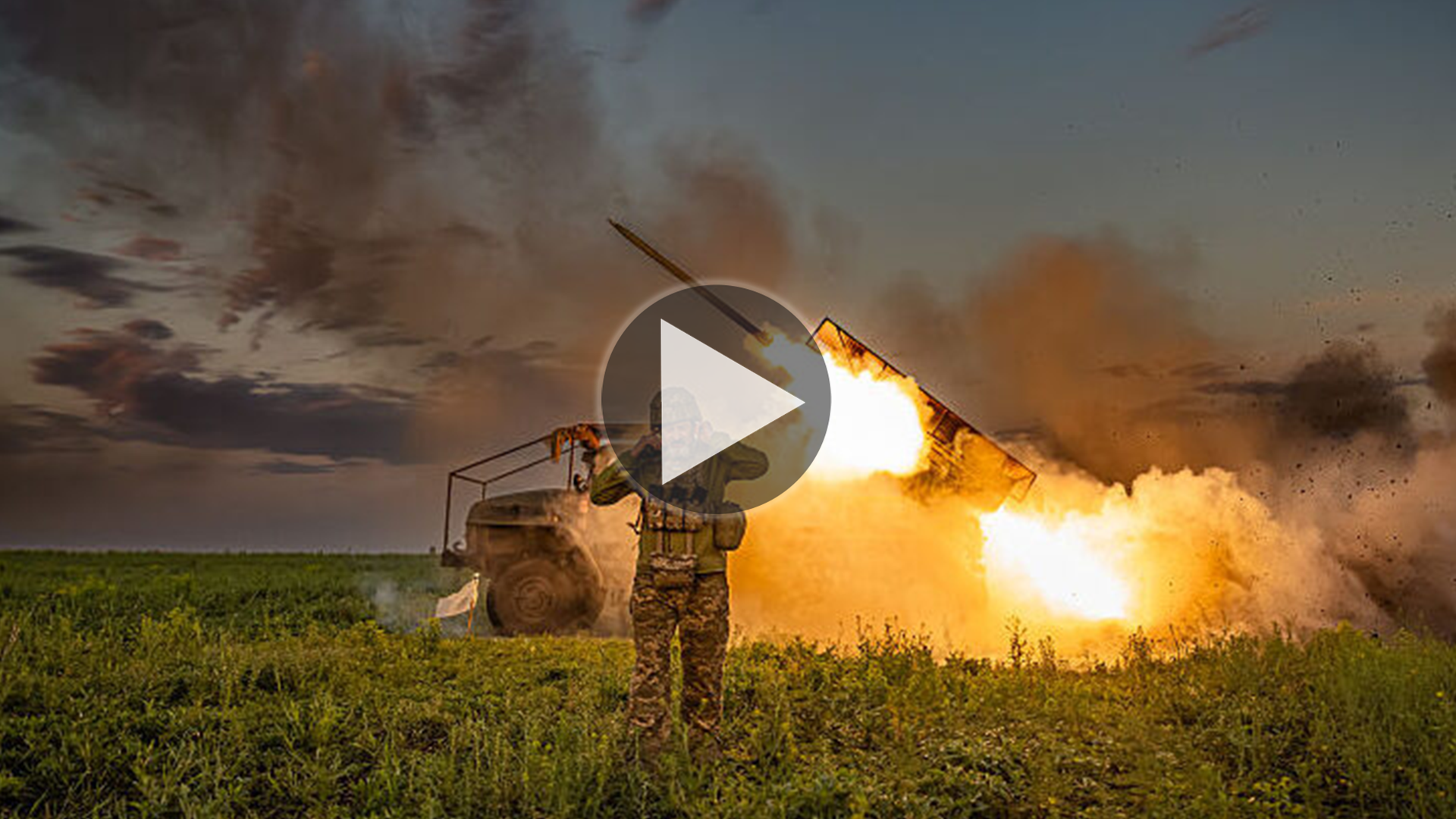
The scale of current aid reaches approximately $113 billion in combined humanitarian, military, and economic support since 2022. Packages include HIMARS systems, air defense equipment, ammunition, and training. Pentagon officials have testified that sustained aid maintains Ukraine's capacity to resist Russian territorial expansion. Without continued support, Ukrainian military capabilities deteriorate against Russian forces equipped with numerical and industrial advantages.
Committee assignments determine Ukraine policy direction. The House Armed Services Committee and House Appropriations Committee exercise primary jurisdiction over military spending. Democratic chairs prioritize Ukraine assistance as essential to NATO alliance strength and international deterrence. Republican leadership positions vary, with some members supporting aid restrictions or demanding accountability mechanisms.
Procedural leverage extends beyond budget authority. Midterm electoral outcomes affect debate dynamics on the House floor. Democratic majorities enable rapid passage of aid packages through party-line voting if necessary. Republican majorities require bipartisan support, which narrows when hawkish GOP members withhold support for Ukraine provisions.
The geopolitical clock creates urgency. Military analysts assess that Ukraine faces critical supply demands through 2025. Russian forces concentrate on grinding attrition rather than rapid territorial conquest. Sustained Western military supply determines whether Ukrainian forces maintain defensive capacity or face progressive degradation.International alliance cohesion depends partly on American commitment. NATO members from Poland to Romania demand U.S. leadership on Eastern European security. Wavering congressional support for Ukraine undermines NATO credibility and potentially encourages Russian adventurism elsewhere in Europe or NATO borders.
The political calculus shifts with electoral outcomes. Democratic victory maintains current trajectory of military aid packages, likely with modest increases tied to evolving battlefield conditions. Republican control introduces uncertainty regarding both aid levels and conditions placed on assistance.
Swing district voters in 2024 show divided opinions on Ukraine spending. Polls indicate roughly 40 percent support continued assistance, while 35 percent oppose further funding. This split reflects broader debate about American priorities between international commitments and domestic needs.
The midterms thus function as a policy referendum on Ukraine. Voters effectively choose between competing visions of American foreign policy priorities and budget allocation. Congressional composition determines whether military assistance continues as established or faces significant revision.