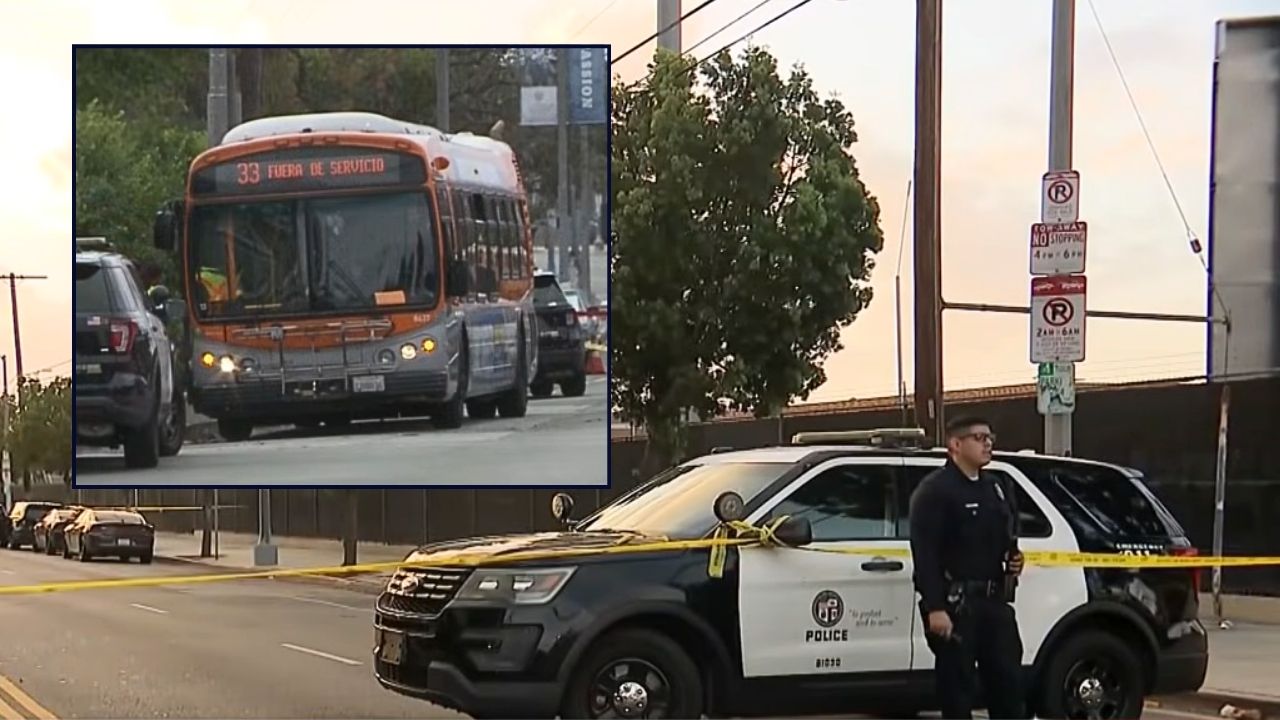
A California man allegedly shot and killed his two young children in a public daylight attack witnessed by multiple bystanders, including passengers on a passing bus. The victims, ages 4 and 10, were fatally shot by their father in an incident that unfolded before numerous eyewitnesses in the immediate area.
The shooting occurred in California in broad daylight, transforming a public space into a scene of violence. A woman traveling on a bus witnessed the gunfire targeting the children. Other pedestrians and bystanders in the vicinity also observed the incident as it happened. The presence of multiple witnesses creates substantial evidence for prosecution and raises questions about emergency response protocols and community safety during active violence.
This case falls within California's jurisdiction over homicide crimes, which are codified under the California Penal Code. Murder charges, particularly involving a parent and minor children, typically trigger the most serious criminal penalties available under state law. The father may face charges including murder, potentially with enhancements for firearms violations or child endangerment statutes. Depending on circumstances and prior criminal history, prosecutors could pursue capital charges or life sentences without parole.
The presence of eyewitnesses significantly strengthens any criminal prosecution. Witness testimony from bus passengers and bystanders provides direct evidence of the shooter's identity and the manner in which the shooting occurred. The visibility of the crime in a public setting, occurring in daylight hours, eliminates ambiguity about whether the incidents happened. Prosecutors can present coherent narratives supported by multiple independent observers rather than relying solely on forensic evidence or circumstantial proof.
This incident also raises implications for witness protection and trauma support. Individuals who observed children being shot, particularly bus riders who had no choice in their presence at the scene, may require psychological counseling and support services. Many jurisdictions provide victim witness programs that assist both family members of deceased victims and third-party witnesses who experienced traumatic events.
California law addresses crimes against children with particular severity. The state has specific statutes targeting violence perpetrated by parents or guardians against minors. These statutes often carry mandatory minimum sentences and affect sentencing enhancements during criminal proceedings. The relationship between perpetrator and victim in this case, along with the ages of the deceased children, substantially elevates the legal gravity of the charges.
The case will proceed through California's criminal court system, beginning with arraignment and preliminary examination. The defendant will face bail hearings where prosecutors argue for either high bail amounts or detention without bail based on the severity of charges and flight risk. Given the seriousness of double homicide charges, bail judges typically impose substantial financial conditions or recommend preventive detention.
Public attention to cases involving child victims frequently influences prosecutorial decisions and media coverage. District attorneys in California counties face political and social pressure to pursue maximum penalties in cases involving murdered children. The eyewitness accounts and daylight nature of this shooting provide prosecutors with straightforward factual presentations to a jury.
The incident underscores ongoing debates about gun access, domestic violence prevention, and emergency response systems. Whether warning signs preceded this shooting, whether the defendant had prior contact with law enforcement, and whether restraining orders existed remain investigatory questions.