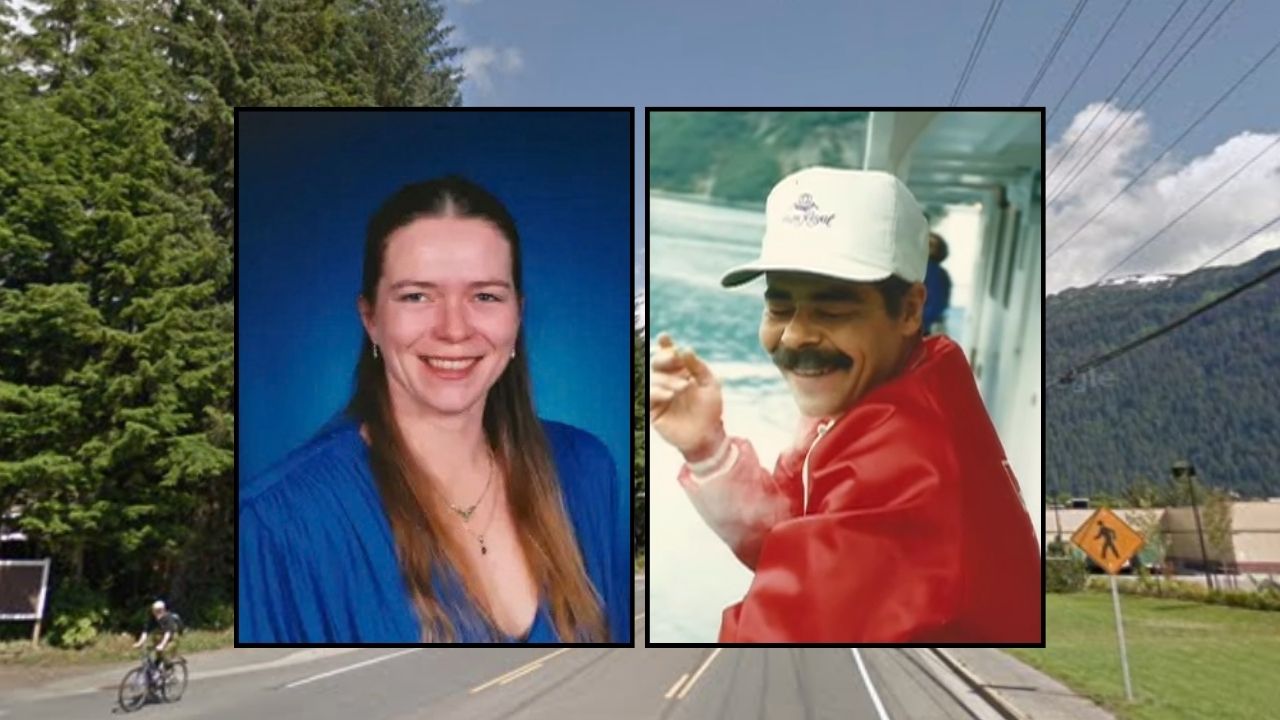
# Alaska Woman Charged After Husband's Remains Found in Freezer; Authorities Allege Years-Long Benefit Fraud
An Alaska woman faces criminal charges after police discovered her husband's mummified remains in a chest freezer stored in a shed. Investigators allege she concealed his death for years while fraudulently collecting his government and retirement benefits, claiming to family and acquaintances that he resided at an out-of-state care facility.
The discovery emerged during a welfare check. Police located the husband's body in an advanced state of decomposition inside the freezer, preserved by prolonged freezing. The woman had maintained the fiction of his placement in a care facility to explain his absence from the home and community.
Authorities estimate the husband had been deceased for a substantial period before discovery. The exact timeline of his death remains under investigation, though the woman's continued receipt of his benefits after his death forms the basis for fraud allegations.
The charges leveled against the woman include theft of government benefits, theft of retirement funds, and unlawful concealment of human remains. Prosecutors argue she knowingly submitted false documentation to continue receiving disability payments, Social Security benefits, and pension distributions. Financial investigators are calculating the total amount misappropriated.
This case illustrates vulnerabilities in benefit verification systems. Federal agencies including the Social Security Administration and the Department of Veterans Affairs rely partly on periodic eligibility reviews to confirm beneficiary status. The woman's scheme succeeded by providing plausible alternative explanations for the beneficiary's unavailability during routine contacts or inspections.
The freezer storage method prevented natural decomposition that would typically trigger discovery through odor or visual inspection. The remote location of the shed further insulated the crime from casual detection by neighbors or service providers.
Local law enforcement coordinated with the Alaska State Troopers and federal agencies to investigate the fraud component. The case now involves the U.S. Department of Justice, which prosecutes federal benefits fraud cases. Restitution demands will likely exceed several hundred thousand dollars based on years of fraudulent claims.
The woman's defense strategy remains unclear. Potential arguments might include claims about delayed reporting of death, mental health issues affecting her decision-making, or financial desperation. However, the deliberate maintenance of false narratives over an extended period suggests premeditation and conscious fraud rather than inadvertent overpayment.
This incident joins a small category of criminal cases combining elder care fraud, benefit theft, and concealment of remains. The Alaska case received heightened attention due to the combination of factors and the extended duration of the fraud scheme.
Sentencing guidelines for federal benefits fraud range from probation to substantial prison time depending on the amount defrauded and the offender's criminal history. The addition of charges for unlawful concealment of remains exposes the defendant to additional prison exposure.
The case underscores the importance of regular benefit verification procedures and family notification requirements. Many states have implemented enhanced death reporting protocols following similar cases. Federal agencies have since tightened authentication procedures for benefit continuation, including video verification for certain populations and quarterly in-person contact requirements.