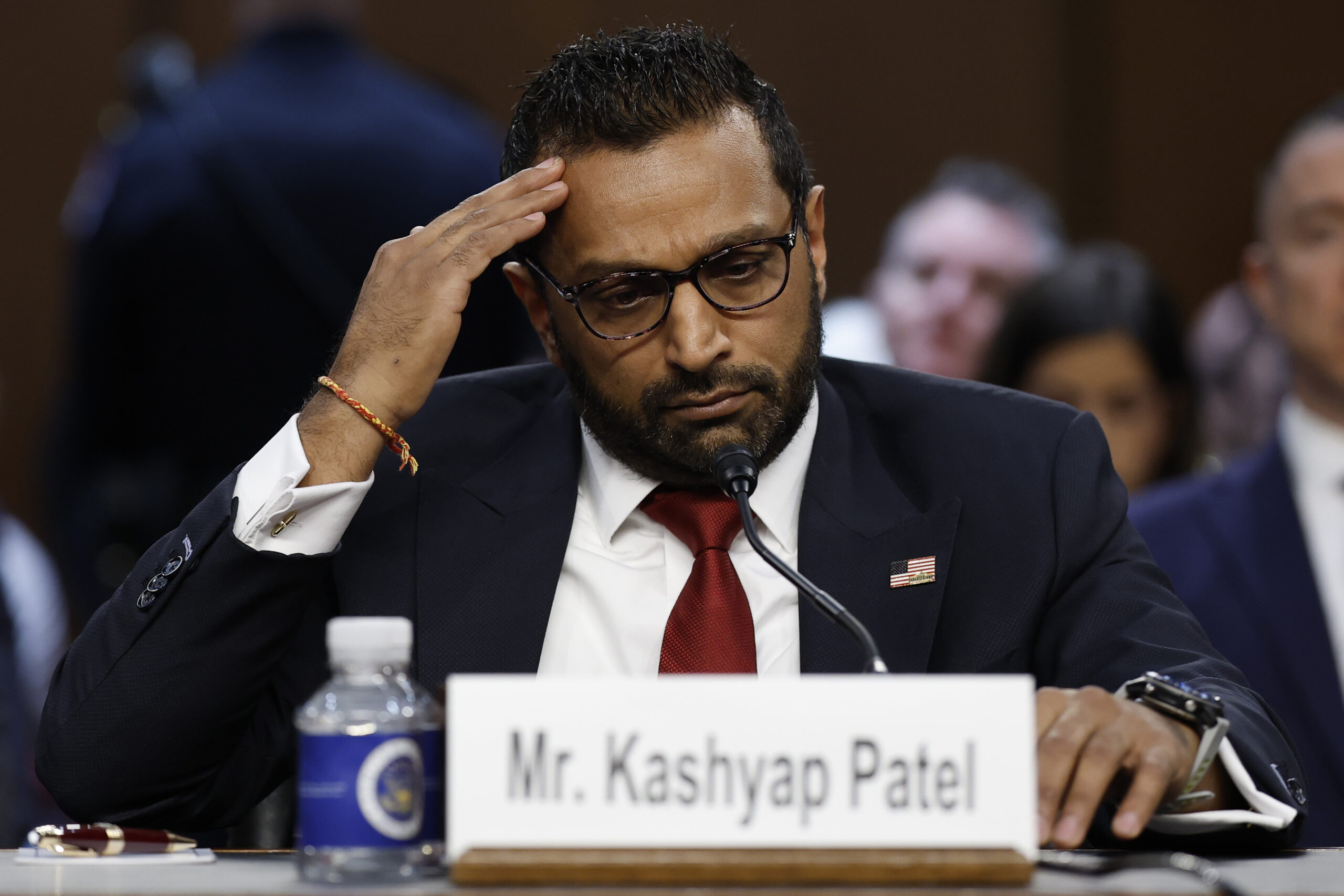
# Kash Patel Dismissal Sparks Retaliation Lawsuit Over Alleged Whistleblower Protection Violations
Kash Patel, serving in a senior government position, terminated an employee after the worker made critical statements on a podcast aligned with Make America Great Again (MAGA) political messaging, triggering a federal employment lawsuit centered on whistleblower protection statutes.
The dismissed employee claims Patel violated the Whistleblower Protection Act, 5 U.S.C. § 2302, which shields federal workers from retaliation for disclosing information about agency misconduct, inefficiency, or violations of law. The plaintiff alleges the termination constituted unlawful retaliation for protected speech activity.
The case raises a threshold legal question: whether podcast commentary critical of management or policy constitutes protected whistleblower activity under federal law. Courts have traditionally interpreted whistleblower protections narrowly, requiring that disclosures involve matters of public concern and that the employee's interest in speaking outweighs the agency's operational interests. The Office of Special Counsel, which investigates federal employee retaliation claims, typically distinguishes between personal grievances and disclosures in the public interest.
Patel's decision to fire the employee creates liability exposure under 42 U.S.C. § 1983 if the termination violated constitutional rights, and potentially under the Administrative Procedure Act if the agency failed to follow prescribed procedures during termination. Federal employees also retain First Amendment protections when speaking on matters of public concern outside their official duties, under the framework established in Pickering v. Board of Education, 391 U.S. 563 (1968).
The defendant will likely argue that the employee engaged in insubordination or violated agency communication policies rather than protected conduct. Government agencies often contend that internal criticism aired publicly on platforms with political dimensions falls outside traditional whistleblower protections, particularly when the employee targeted management rather than alleged legal violations.
This dispute occurs within an administration known for aggressive personnel decisions. The alleged termination follows patterns of high-level transitions and staffing disputes that have generated litigation across multiple agencies. Federal courts have shown inconsistency in whistleblower cases involving political statements, with outcomes depending heavily on whether the plaintiff's speech addressed matters of legitimate public concern versus personal workplace disputes.
The plaintiff faces a burden of proving Patel's knowledge of the protected activity and that the termination resulted from that activity rather than legitimate performance reasons. Patel's team will submit documentation justifying the firing decision on grounds unrelated to the podcast commentary.
Discovery will likely examine communications between Patel and human resources personnel, timing between the podcast episodes and termination notice, and any prior performance issues. Courts will scrutinize whether the agency maintained consistent discipline standards for similar conduct.
The case demonstrates ongoing tension between executive branch management prerogatives and federal employee speech rights. Resolution will clarify boundaries between protected whistleblowing and criticism of supervisors, with implications for other federal workers considering public commentary about their agencies.