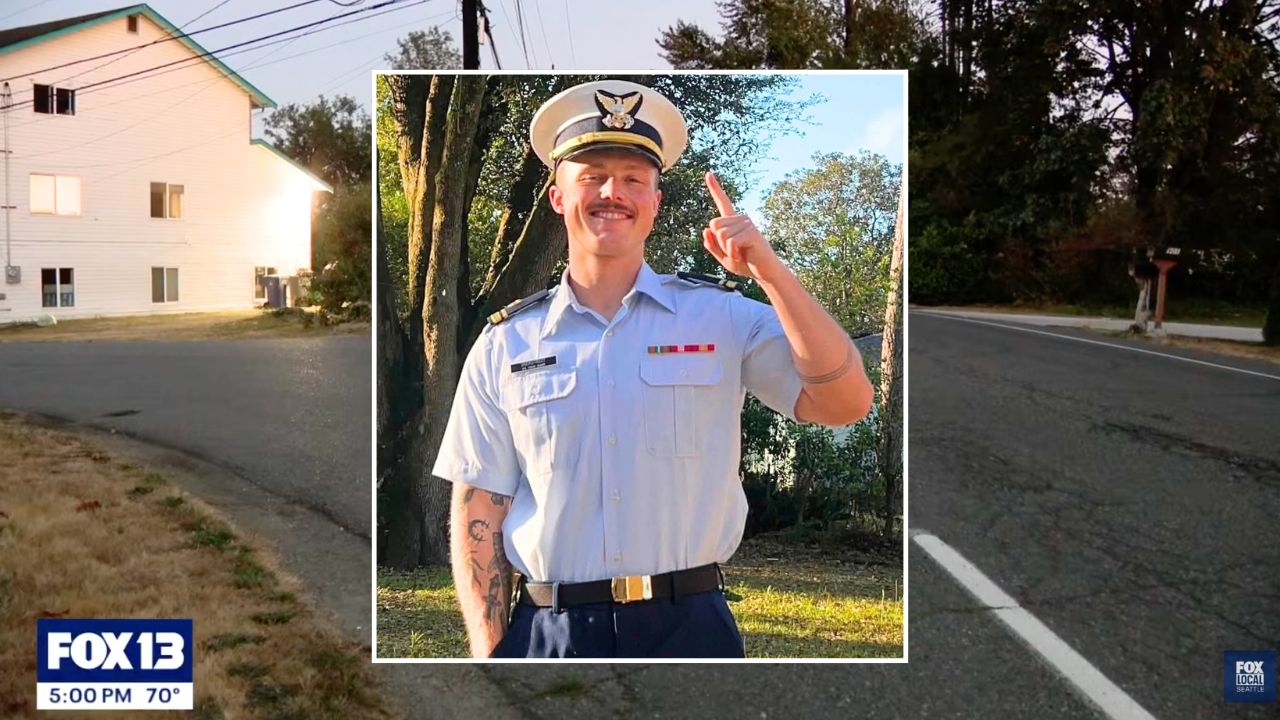
# Coast Guard Officer Killed in Road-Rage Shooting Over E-Scooter Encounter in Washington
A U.S. Coast Guard lieutenant died from gunshot wounds after a confrontation with a driver during what authorities characterize as a road-rage incident in Washington state. The officer was riding a Lime electric scooter with friends when the fatal encounter occurred.
Law enforcement has classified the shooting as a homicide stemming from an escalating dispute between the scooter rider and an occupant of a Prius. According to police reports, the two exchanged words that quickly deteriorated into violence. The driver of the vehicle allegedly opened fire, striking the Coast Guard officer fatally. The specific location, exact date of the incident, and the identity of the alleged shooter remain under investigation by local authorities.
Road-rage homicides represent an emerging category of violence in American criminal law. Prosecutors typically pursue murder or manslaughter charges depending on whether they can establish premeditation and deliberation. In this case, investigators must determine whether the shooter brought a firearm to the scene with intent to use it or acted in sudden passion. That distinction affects whether charges will include first-degree murder (premeditated) or second-degree murder (extreme recklessness without premeditation) under Washington state law.
The incident underscores the intersection of multiple modern phenomena: the rapid proliferation of micromobility devices like Lime scooters in urban environments, roadway friction between different transportation modes, and easy access to firearms. E-scooters have generated both enthusiastic adoption and community complaints about sidewalk safety and traffic conflicts. When scooter riders share roadways with vehicle drivers, disputes over right-of-way and perceived unsafe behavior can escalate quickly.
The Coast Guard victim's military status may affect how the case proceeds. While active-duty service members typically fall under military jurisdiction for crimes committed on military installations, crimes committed off-base in civilian areas fall to state and local law enforcement. The Washington state prosecutor's office will handle the investigation and potential prosecution through the civilian criminal justice system.
Homicides arising from traffic disputes carry particular significance in criminal jurisprudence because they test the boundaries between self-defense claims and unlawful use of force. Defense attorneys may argue the driver felt threatened by the scooter rider's approach or words. Prosecutors must prove the shooter acted without legal justification.
The case also reflects broader concerns about gun violence in everyday disputes. According to research from the Centers for Disease Control, firearm homicides have increased substantially in recent years, with many involving interpersonal conflicts rather than organized crime or gang activity.
The investigation continues as authorities work to build their case. Once charges are filed, they will be prosecuted in Washington state superior court. The outcome will depend heavily on witness testimony, surveillance footage if available, and forensic evidence establishing the sequence of events and the shooter's state of mind.