# Sexual Assault Trial Opens for TV Writer Accused of Using Photography Pretext
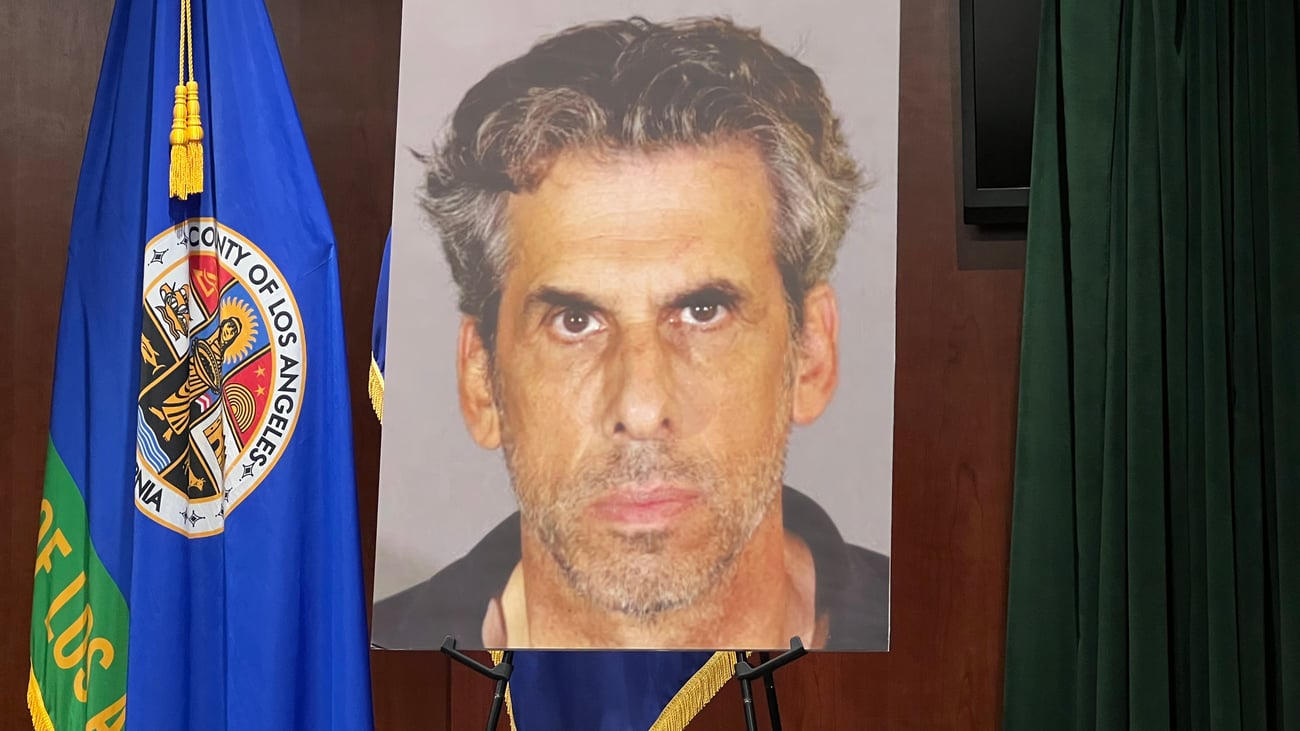
The trial of Eric Weinberg, a television writer and producer, began this week in Los Angeles County Superior Court. Prosecutors charge that Weinberg used a fake photography business as a lure to induce seven women into posing for nude or revealing photographs, then sexually assaulted them between 2014 and 2019.
The case represents a predatory pattern prosecutors argue extended over years. Weinberg allegedly targeted women by posing as a legitimate professional photographer, building false trust before committing violent crimes. Detectives say they identified the seven victims through investigation, though authorities believe additional unreported victims may exist.
Weinberg, who worked as a writer and producer on television series including "Scrubs" and "Weinberg Productions," faces multiple counts of sexual assault. The charges allege that he exploited his professional credibility and access to create opportunities for contact with vulnerable targets. The photography pretext operates as what prosecutors describe as a grooming mechanism, establishing plausible reasons for private meetings where the alleged assaults occurred.
The indictment centers on Weinberg's methodical approach. He allegedly created a fake online presence as a photographer with legitimate-appearing credentials and portfolio materials. Women who responded to his requests through social media or dating platforms believed they were auditioning for legitimate modeling work. Once isolated with Weinberg, prosecutors say he escalated contact beyond what victims consented to, employing force or coercion.
Defense counsel has not yet disclosed trial strategy. Weinberg has maintained his innocence through prior court proceedings. His legal team may challenge victim credibility, consent arguments, or identification evidence, though defense statements remain limited at trial's outset.
The case bears hallmarks of serial sexual predation prosecuted under California Penal Code statutes covering sexual assault, sexual abuse, and potentially rape depending on specific allegations within each victim's account. Multiple victim prosecutions present evidentiary challenges, as defense attorneys typically argue each case involves different facts and consent interpretations. However, prosecutors leverage pattern evidence under California Evidence Code Section 1108, which permits introduction of prior sexual offenses to establish propensity or common design.
The trial occurs amid heightened scrutiny of entertainment industry figures following #MeToo revelations. Weinberg's position in television production made him professionally influential, potentially affecting power dynamics in victim-defendant interactions. Media coverage of entertainment figures accused of sexual misconduct has influenced jury pools and public perception of credibility assessment.
Superior Court judges in Los Angeles County handle approximately 180,000 cases annually, yet sexual assault trials consuming significant trial time remain prioritized for judicial resources. The Weinberg proceeding signals local prosecution commitment to holding entertainment professionals accountable under identical statutory standards applied to defendants without industry prominence.
Jury selection and opening statements follow standard California criminal procedure. Prosecutors bear burden of proof beyond reasonable doubt, requiring proof of each element of alleged crimes. The trial timeline remains unannounced but sexual assault prosecutions involving multiple victims typically consume 4 to 8 weeks of trial time.