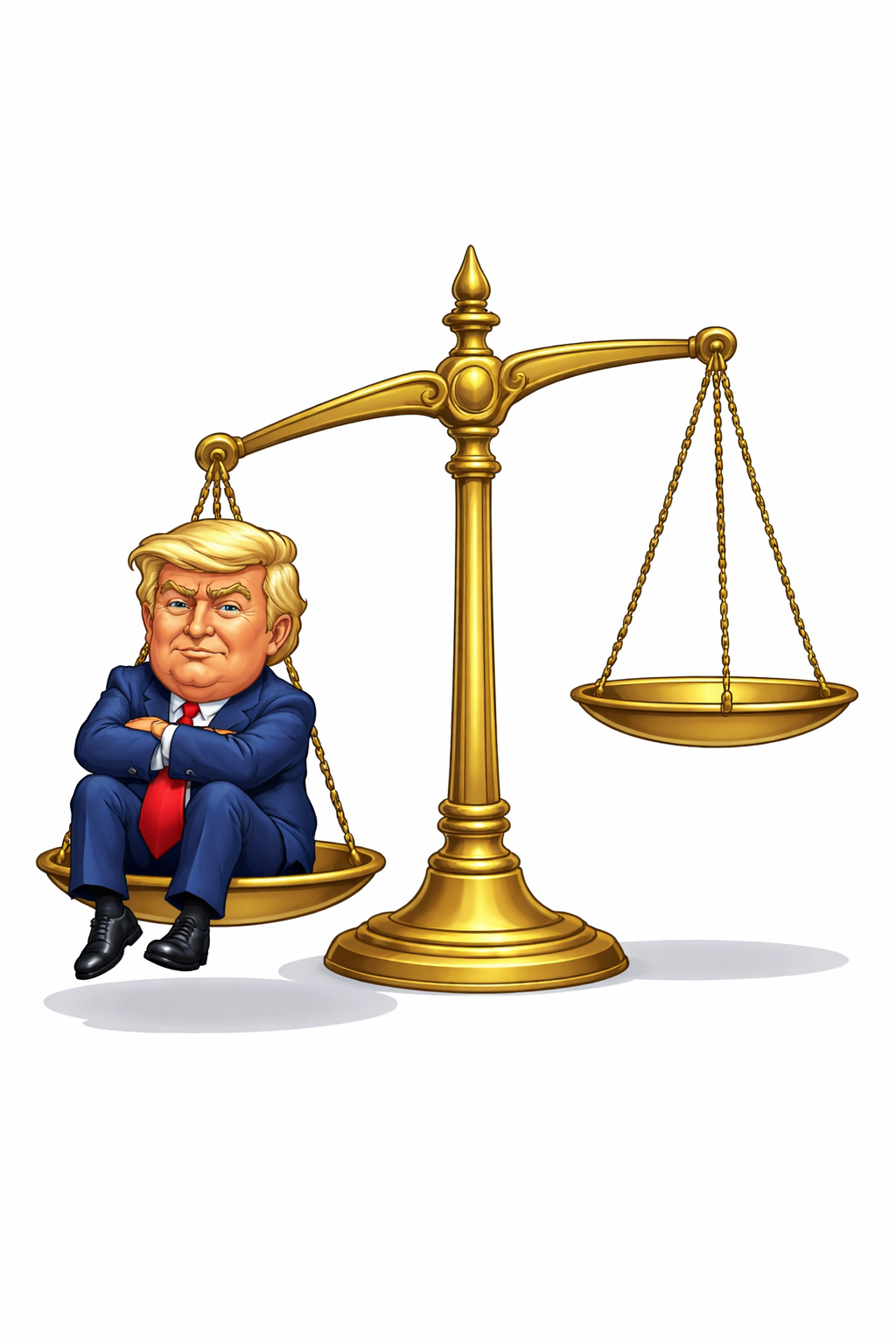
# Major Law Firm Reverses Trump Stance, Now Represents Former President
A prominent BigLaw firm has moved from publicly denouncing Donald Trump as unfit for office to actively representing him as a client, marking a sharp reversal in the firm's public positioning and raising questions about the relationship between legal representation and political advocacy in large law practices.
The shift reflects broader tensions within major law firms navigating the intersection of client service, institutional values, and political expression. Large law firms traditionally maintain public neutrality on political matters while accepting diverse clients across the ideological spectrum. Yet the explicit earlier statements questioning Trump's fitness for office create a notable disconnect that the legal industry is scrutinizing.
The firm's previous public comments, which characterized Trump as unfit, emerged during earlier political cycles when many institutions felt emboldened to stake out explicit political positions. Those statements represented more than routine legal practice. They reflected an institutional judgment about a political figure, not merely technical legal opinions.
Now, with Trump as a paying client, the firm faces the practical reality of legal practice. BigLaw generates revenue through client work. The Trump representation likely signals substantial fees and the prospect of ongoing engagement across multiple matters. For a firm's partnership and associates, client work translates directly to billable hours, compensation, and career advancement.
The transition raises professional ethics questions without clear answers. Lawyers maintain a duty of zealous advocacy for clients, regardless of personal political views. The Model Rules of Professional Conduct permit attorneys to represent clients whose positions they oppose. This principle underpins the legal profession's commitment to the right to counsel.
Yet the public statements created a different expectation. When law firms make explicit political judgments, they invite scrutiny about whether those positions reflect genuine institutional values or convenient public positioning. The reversal suggests the latter, potentially damaging the firm's credibility on issues where it previously claimed principle.
For Trump, the representation provides access to experienced BigLaw counsel with substantial resources. Large law firms offer depth in litigation, regulatory matters, and transactional work that smaller shops cannot match. The engagement signals normalization of Trump's legal standing in major institutional structures after years of isolation.
The broader legal market implications extend beyond this single matter. Other BigLaw firms face similar pressures. Client service demands institutional flexibility. Political neutrality in practice requires accepting diverse clients. Yet public positioning creates reputational stakes that pure legal work does not.
Associates at the firm confront their own professional calculations. Billing hours to high-profile clients generates career-building experience. Yet participation in representation of controversial figures carries personal and professional consequences that vary by attorney.
The development also affects the political debate surrounding Trump. Legal representation by prestigious institutions provides credibility and legitimacy that isolated counsel cannot. Major law firms carry institutional weight that shapes public perception.
The firm's reversal ultimately reflects a choice common in BigLaw: client revenue and institutional growth outweigh earlier public positioning. Whether this calculation proves sound depends on how reputational effects play out among the firm's other clients, candidates for associate positions, and the legal community generally.