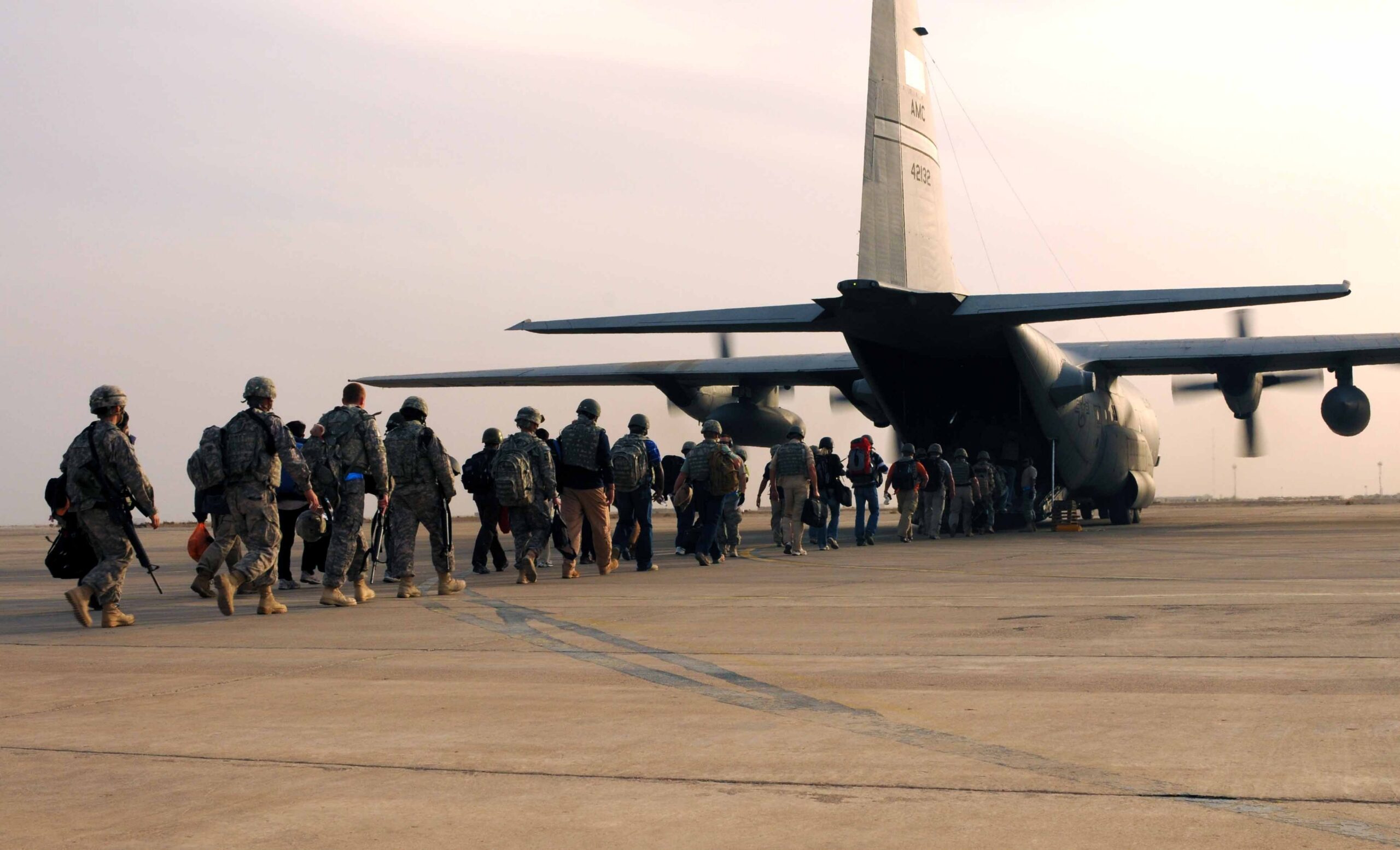
# US Withdraws Final Military Contingent From Iraq
The United States has completed its withdrawal of all remaining troops from Iraq, marking the end of a sustained military presence in the country that began with the 2003 invasion. CENTCOM Commander Admiral Brad Cooper announced the transition in a statement confirming that US and Coalition forces have handed full responsibility for Iraq's security to the Iraqi government.
The withdrawal carries profound geopolitical and legal implications. Under the Status of Forces Agreement (SOFA) negotiated between the US and Iraq, the American military had maintained a legal framework for its presence. The Iraqi parliament voted in January 2020 to expel all foreign forces following the US assassination of Iranian General Qasem Soleimani. This vote created ongoing political pressure on the US-Iraq military relationship, though negotiations continued for years afterward.
The practical effect of this withdrawal reshapes US counterterrorism strategy in the region. CENTCOM's statement emphasizes that American forces "stationed across the region" remain positioned to counter ISIS threats. This language signals that the US retains capability to conduct operations against Islamic State elements without a permanent Iraq-based footprint. The military will rely on rapid-response deployments and coordination with allied forces rather than sustained ground presence.
The legal withdrawal affects several areas of military law and international relations. The removal eliminates the jurisdictional framework previously governing US servicemembers' conduct in Iraq. Military courts-martial lose territorial jurisdiction, though the Uniform Code of Military Justice applies to US personnel regardless of location. Iraqi courts no longer face questions about whether they possess authority to prosecute American soldiers for incidents occurring on Iraqi soil.
This development also impacts defense contracting. Private military contractors and defense suppliers supporting US operations faced potential Iraqi liability. Withdrawal eliminates that exposure, though these companies continue operations throughout the broader Middle East region under different legal authorities.
The withdrawal reflects a broader strategic pivot. The Biden administration has consistently emphasized ending "endless wars" and redeploying resources toward great-power competition with China and Russia. Iraq's transition to independent security management aligns with this stated priority, though it carries risks. ISIS retains cells within Iraq despite territorial defeats, and Iraq's security forces remain vulnerable to insurgent attacks.
The timing raises questions about Congressional involvement. While the President possesses commander-in-chief authority over troop movements, the War Powers Resolution requires notification to Congress within 48 hours of committing armed forces to military action. The withdrawal itself does not trigger this statute, but future operations against ISIS from positions outside Iraq may implicate these requirements.
Iraqi sovereignty gains formal recognition through this withdrawal, yet the country remains fragile. Rival militia factions, some backed by Iran, operate with limited government oversight. Kurdish forces in the north maintain semi-autonomous control. The power vacuum created by absent US forces could enable terrorist recruitment or regional proxy competition.
Admiral Cooper's pledge that US forces "remain ready to respond" indicates the military maintains contingency plans for rapid re-engagement if ISIS launches major operations. These over-the-horizon capabilities require infrastructure in neighboring countries like Syria, Kuwait, and Saudi Arabia, creating new legal and diplomatic dependencies.
The withdrawal completes a policy trajectory initiated under the Trump administration but accelerated under Biden. It represents the formal endpoint of direct American military involvement in Iraq's internal security, though counterterrorism partnerships and training arrangements may continue under different legal structures.