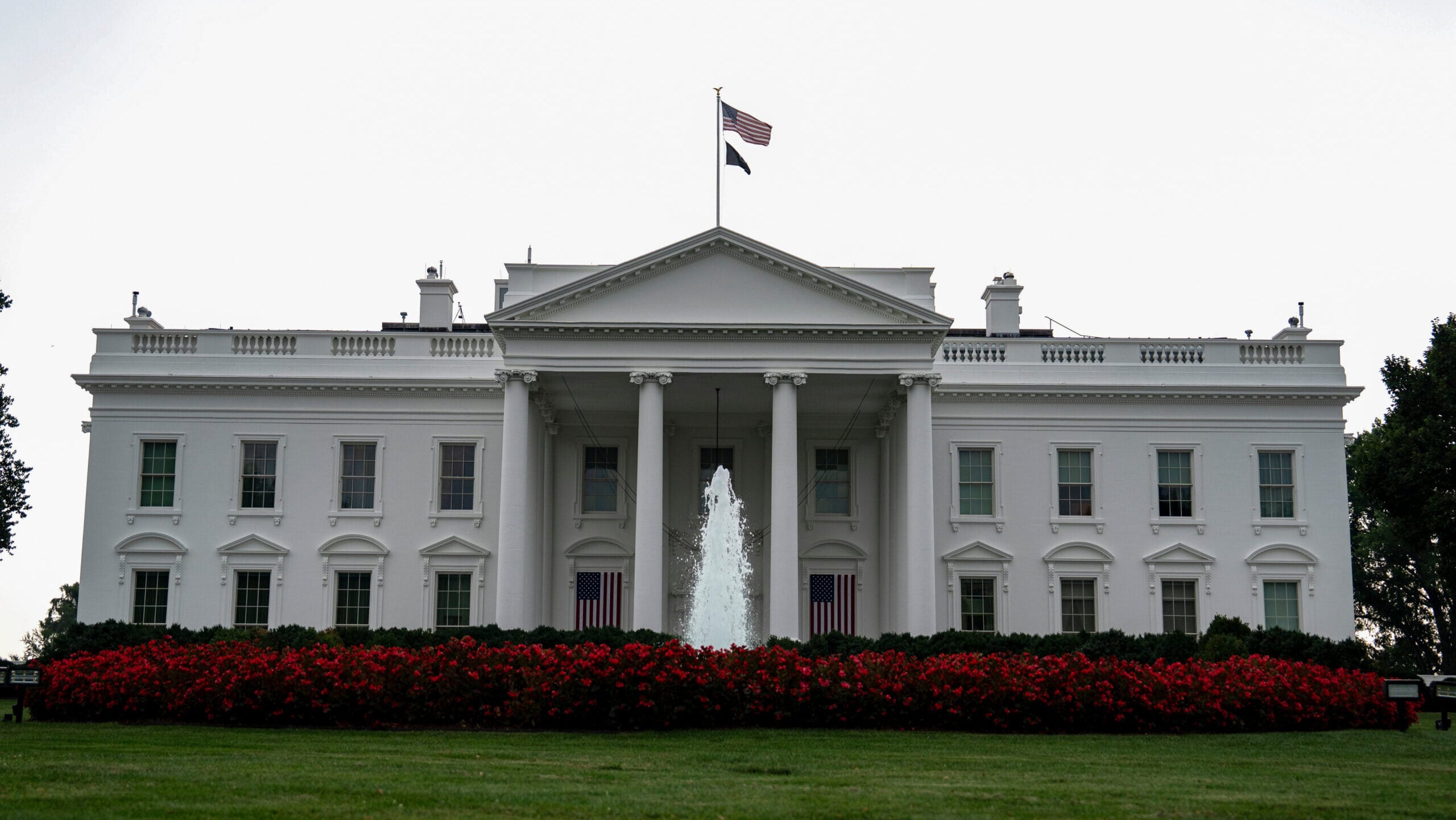
Rep. Jim Himes, ranking Democrat on the House Permanent Select Committee on Intelligence, signaled in a September 28 letter that the committee plans to investigate whether defense contractors improperly contributed funds to renovate a White House ballroom. The letter, sent to a defense trade group, warned of a "likely" probe into the project.
The investigation centers on potential ethics violations and conflicts of interest. Defense firms that maintain contracts with the federal government face strict restrictions on gifts and donations to executive branch facilities. When contractors contribute to White House projects, questions arise about whether such contributions constitute improper attempts to influence policy or secure favorable treatment in contract negotiations.
Himes' warning letter represents a preliminary signal before a formal committee inquiry. The House Permanent Select Committee on Intelligence maintains jurisdiction over intelligence agency oversight and also examines matters affecting national security personnel and operations. If defense contractors provided substantial funds for White House renovations, the committee can investigate whether those contributions created ethical problems or security concerns.
The statutory framework governing such conduct includes the Federal Acquisition Regulation, which restricts contractor gifts to government officials and facilities. Additionally, ethics rules established under the Ethics in Government Act impose limits on how defense firms can interact with executive branch officials and facilities. Violations can result in contract suspension, debarment from federal work, criminal charges for bribery or corruption, and civil penalties.
The practical implications extend beyond the individual companies involved. An investigation could establish precedent for how the committee scrutinizes contractor relationships with the White House. Other defense firms may face heightened scrutiny of their own charitable contributions to government facilities. The inquiry could also lead to new policies restricting how contractors can fund executive branch projects.
For businesses, the development underscores the compliance risks of any financial relationship with federal facilities or officials. Defense contractors operate under heightened oversight because they handle classified information and maintain significant government contracts. Even contributions framed as charitable or philanthropic donations face potential challenges if they involve defense firms.
The House committee's investigation, if formally launched, would likely include document requests to the White House, the defense trade group, and individual contractors. Committee staff would examine whether contributions were solicited, the amounts involved, timing relative to contract decisions, and whether any quid pro quo arrangements existed. Witnesses could include White House officials, contractor executives, and trade association representatives.
The investigation also carries political dimensions. House Democrats, particularly intelligence committee members, have emphasized oversight of executive branch activities. The timing and nature of the probe reflect broader Democratic interest in examining potential conflicts of interest involving the administration and defense contractors.
Defense firms should prepare for expanded due diligence on all charitable contributions and facility donations. Companies may need to implement enhanced approval processes for any gifts to federal facilities or officials. Legal counsel should review existing donation agreements and ensure they comply with federal acquisition regulations and ethics rules.
The House Intelligence Committee's interest signals that defense contractor donations to federal facilities represent an emerging compliance concern. Firms lacking clear documentation of the philanthropic purpose behind contributions face investigative risk. The committee's inquiry will likely produce findings that influence how future contractor donations are evaluated and approved.