# Surveillance Infrastructure Expands as Courts Grapple with Fourth Amendment Protections
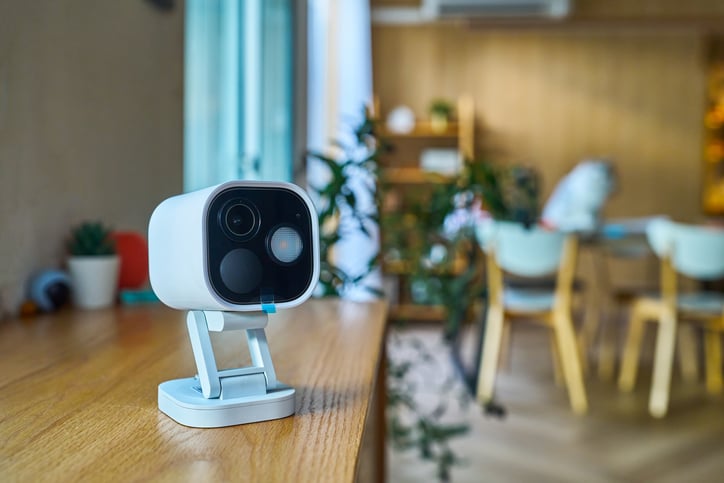
The proliferation of cameras across public and private spaces has created a legal battleground where courts, legislators, and privacy advocates clash over what remains of constitutional privacy protections. The Supreme Court has not yet delivered a definitive ruling on mass surveillance systems, leaving a patchwork of state and federal standards that leave Americans with minimal legal certainty about when they are being watched.
The Fourth Amendment prohibits unreasonable searches and seizures, but surveillance law remains underdeveloped. In United States v. Carpenter (2018), the Supreme Court found that the government needed a warrant to access cell-site location information, recognizing that aggregated data reveals patterns of intimate personal activity. Yet the Court has never extended robust privacy protections to video surveillance in public spaces. Lower courts have split on whether recording in public squares, parking lots, and commercial areas triggers Fourth Amendment protections.
Facial recognition technology amplifies these concerns. The FBI operates a database containing hundreds of millions of facial images drawn from driver's licenses and passport photos. State and local police departments deploy facial recognition without consistent warrant requirements or accuracy verification standards. A 2020 report from the National Institute of Standards and Technology found that some facial recognition algorithms produced error rates exceeding 34 percent for women with darker skin tones, yet law enforcement has used these tools to make arrests.
State legislatures have begun filling the void. Massachusetts requires law enforcement to obtain warrants before using facial recognition. Illinois passed the Biometric Information Privacy Act (BIPA) in 2008, allowing private individuals to sue companies that collect biometric data without consent. California, New York, and other states have enacted statutes restricting government surveillance, though enforcement remains inconsistent.
Private surveillance raises separate issues. Retail chains, apartment buildings, and employers operate camera networks with minimal regulation. Employment law generally permits employers to monitor common areas in the workplace, and the Electronic Communications Privacy Act carves out exceptions for business use. However, recording in bathrooms or changing rooms violates both statute and common law privacy torts in all jurisdictions.
The tension intensifies in public spaces. New York City operates more than 9,000 cameras under the Lower Manhattan Security Initiative, yet the NYPD cannot articulate clear standards for when footage justifies searches or arrests. Police departments nationwide lack consistent policies requiring warrant predicate statements or judicial oversight for video access.
The 2024 legislative session saw proposed bills in Congress addressing surveillance. The Facial Recognition and Biometric Technology Moratorium Act would suspend federal funding for facial recognition programs until standards for accuracy and bias emerge. The Privacy Act of 1974 requires federal agencies to maintain records of what biometric data they collect, but enforcement audits remain rare.
Privacy expectations differ by context. A person walking into a bank reasonably expects cameras. But dragnet collection of footage from entire neighborhoods raises different questions. Several federal appeals courts have suggested that reasonable expectations of privacy erode when surveillance becomes comprehensive and indefinite.
Technology outpaces law. Thermal imaging cameras, drone surveillance, and automated license plate readers all collect vast amounts of personal information before courts establish whether warrant requirements apply. The American Civil Liberties Union argues that pervasive surveillance chills free speech and assembly rights protected by the First Amendment.
Individuals retain limited practical remedies. Exclusionary rule protections apply only to criminal prosecutions. Civil rights claims under 42 U.S.C. Section 1983 against government actors require proof of constitutional violation. Private surveillance victims must rely on state tort law or statutory privacy statutes, remedies that require expensive litigation.
Cameras remain fixed in place while legal frameworks struggle to catch up.