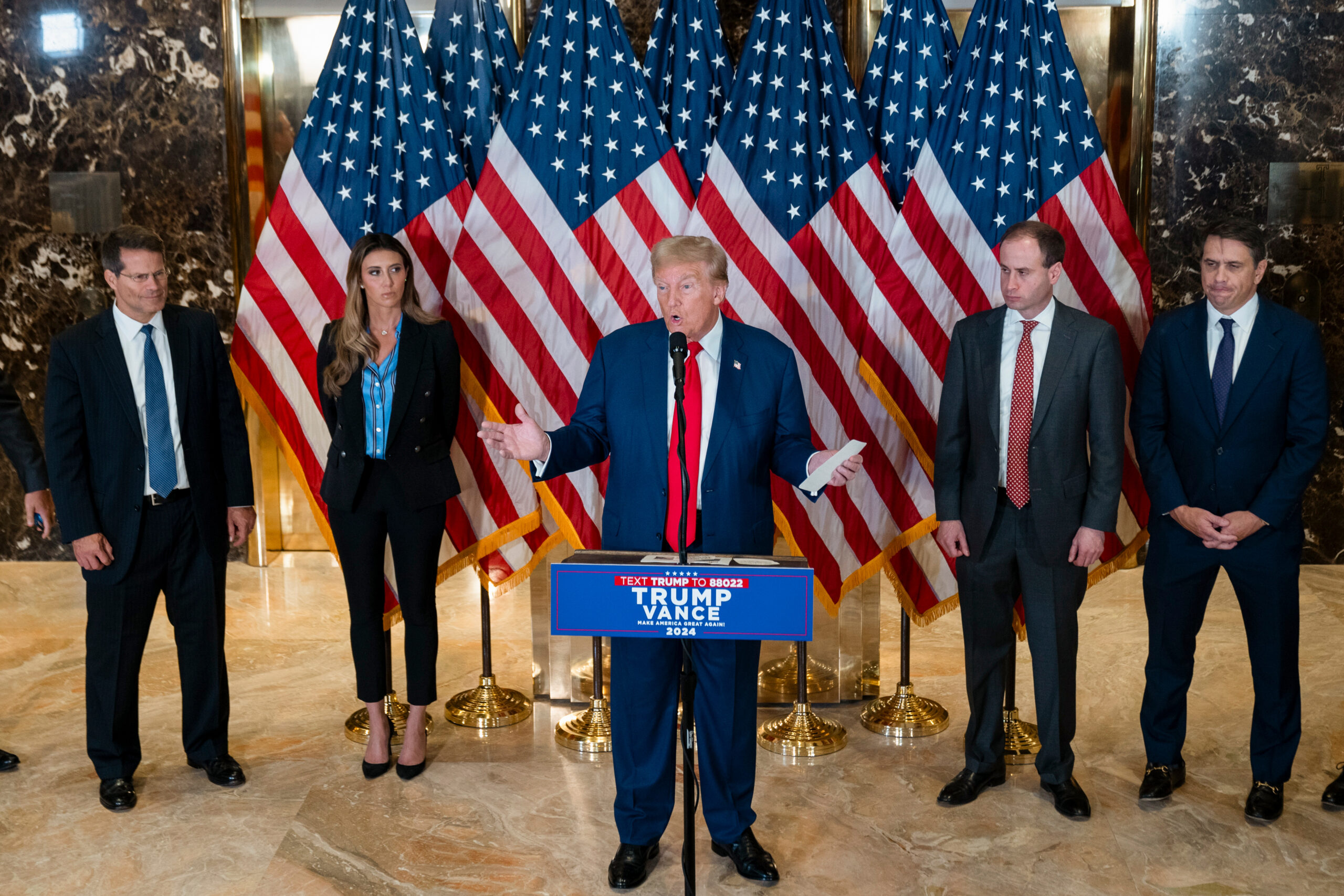
# Trump Uses Federal Funds For Campaign Ad, Drawing Ethics Complaints From Both Parties
President Trump faces ethics violations allegations after rebroadcasting his 2024 campaign advertisement as a taxpayer-funded "public service announcement." Former Bush administration ethics lawyers from both political parties contend the action violates federal law governing the use of government resources for political purposes.
The controversy centers on Trump's decision to repurpose campaign material using federal funds rather than campaign contributions. Government agencies typically produce public service announcements to inform citizens about health, safety, or civic matters. Using this mechanism to distribute campaign messaging—particularly content identical to his 2024 election advertising—constitutes misappropriation of taxpayer dollars for partisan political benefit, critics argue.
Ethics attorneys involved in administering the Executive Branch code of conduct describe the practice as potentially impeachable. Federal law prohibits executive officials from using government resources, personnel, or facilities for campaign activities. The Hatch Act, codified at 5 U.S.C. Section 7321 et seq., restricts federal employees from engaging in partisan political activities while on duty or using official positions. Broadcasting campaign advertisements through government channels funded by appropriated taxpayer money directly violates these statutory requirements.
The allegation gains force because Trump's 2024 campaign material differs substantively from genuine public service announcements. Authentic PSAs educate voters on nonpartisan topics like vaccination rates, highway safety, or disaster preparedness. Campaign advertisements promote a specific candidate or political message. Rebranding the same content as a PSA merely changes the funding source while the underlying message remains identical—a transparent attempt to circumvent campaign finance rules.
Several layers of legal exposure emerge from this conduct. First, the matter could trigger Congressional investigation under the House's impeachment authority. Previous administrations faced similar investigations when officials attempted to blur lines between official duties and campaign activities. The House Judiciary Committee retains jurisdiction to investigate whether this constitutes "high crimes and misdemeanors" under the Constitutional impeachment standard.
Second, the Office of Government Ethics may issue formal findings. The OGE operates independently to investigate executive branch ethics violations and recommend disciplinary action. A formal investigation could result in mandatory ethics training, recusal from certain decisions, or referral to the Department of Justice for criminal prosecution.
Third, the Department of Justice Criminal Division could pursue charges if prosecutors determine that misappropriating federal funds constitutes wire fraud or theft of government property. Federal charges carry prison sentences and substantial fines.
The bipartisan nature of the ethics criticism distinguishes this matter from typical partisan disputes. When attorneys appointed by Republican and Democratic administrations alike identify violations, it signals objective legal analysis rather than political positioning. Former Bush ethics lawyers typically command credibility with conservative audiences and Republican-appointed judges.
Trump's defense likely relies on arguments that the advertisement serves a legitimate government purpose or constitutes protected speech. The administration may contend that promoting the President's policy agenda through public messaging falls within executive prerogatives. Courts would need to determine whether campaign content can constitute legitimate government speech.
This controversy exposes persistent questions about campaign finance, government resource allocation, and executive accountability. The precedent established here will influence how future administrations navigate boundaries between official functions and campaign activities.