# Second Circuit Questions Standing in SoundExchange Royalty Dispute With SiriusXM
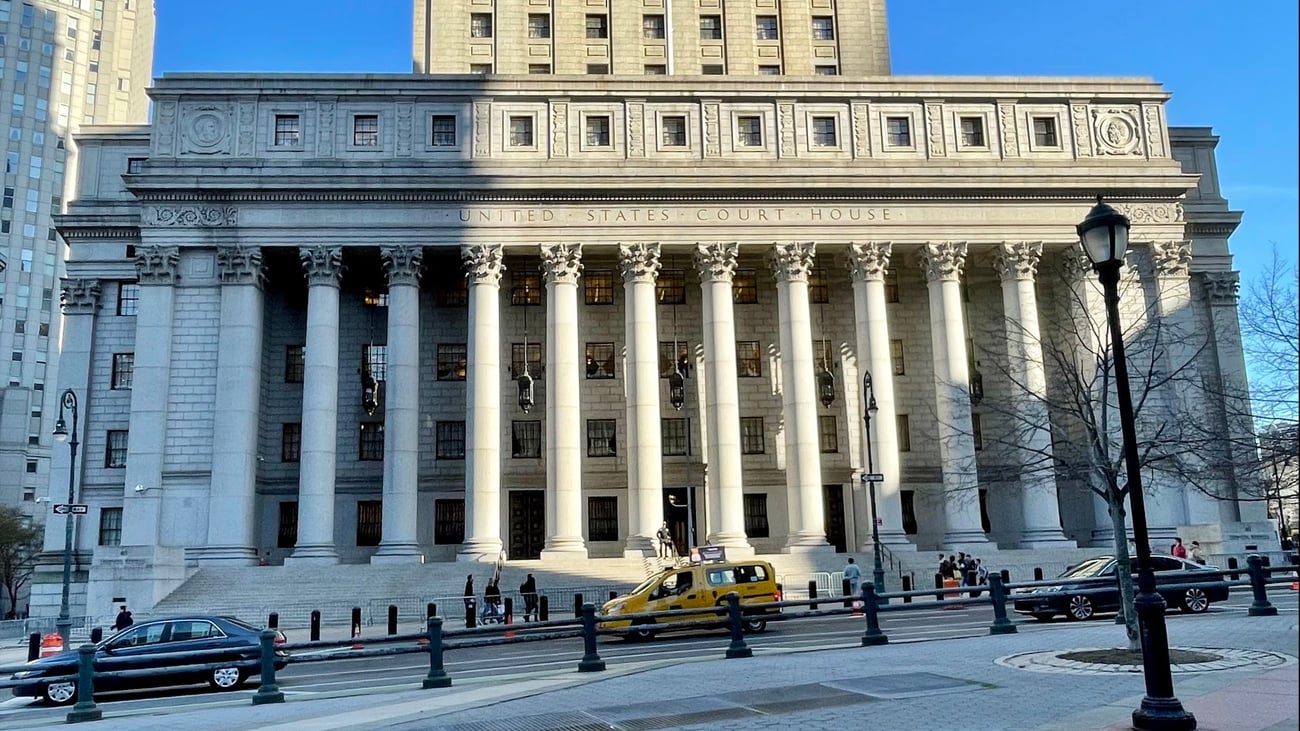
The Second Circuit Court of Appeals heard oral arguments this week examining a threshold question that could reshape how digital music royalties flow through the entertainment industry. The court focused on whether SoundExchange, the nonprofit collective that collects and distributes performance royalties on behalf of artists, possesses legal standing to pursue a $150 million claim against satellite radio broadcaster SiriusXM, or whether individual artists and rights holders must bring the lawsuit themselves.
The case hinges on standing doctrine, a foundational principle that determines who may bring suit in federal court. Under Article III of the Constitution, only parties with a concrete injury can litigate. The Second Circuit must decide whether SoundExchange's alleged injury is direct enough to confer standing, or whether the injury belongs exclusively to its members.
SoundExchange functions as a performing rights organization licensed by the U.S. Copyright Office to collect statutory royalties for digital performances of sound recordings. It acts as an intermediary between digital music services like SiriusXM and the copyright holders it represents. The nonprofit collects billions annually in royalties and distributes funds to artists, record labels, and other stakeholders.
The claim against SiriusXM centers on allegedly unpaid or underpaid royalties. The precise mechanics of what SiriusXM failed to pay remain central to the dispute. The $150 million figure represents a substantial portion of potential liability in the digital music space, where royalty accounting and payment disputes frequently escalate into litigation.
Appellate judges pressed both sides on the economic mechanics at stake. If SoundExchange lacks standing, individual artists would need to sue separately or coordinate through class actions. This outcome could fragment litigation, increase transaction costs for claimants, and create inconsistent outcomes across multiple cases. Alternatively, requiring individual suits might pressure SiriusXM to settle with multiple parties rather than one entity.
The standing question also implicates the structure of collective rights administration itself. Collective management organizations like SoundExchange exist partly to aggregate claims too small for individual holders to pursue economically. Denying SoundExchange standing would undermine this rationale, leaving marginal artists without viable enforcement mechanisms.
Prior precedent in the Second Circuit and other jurisdictions has split on similar questions. Some decisions permit collectives to sue on behalf of members when the collective's interest aligns with theirs. Others require direct injury to the suing party. The Copyright Act itself grants broad authority to copyright holders to pursue infringement claims, but case law has not uniformly addressed whether collection agents possess derivative standing.
The Second Circuit's ruling will carry implications beyond this single dispute. Digital music services including streaming platforms and satellite radio rely on SoundExchange and similar organizations for licensing and payments. A ruling limiting SoundExchange's standing could embolden other digital services to challenge royalty calculations through similar litigation strategies.
The court did not issue a decision from the bench. A written opinion from the Second Circuit could take weeks or months. Whatever the outcome, the losing party may petition for rehearing or seek review from the Supreme Court, though SCOTUS rarely accepts copyright disputes of this character unless they present circuit splits.