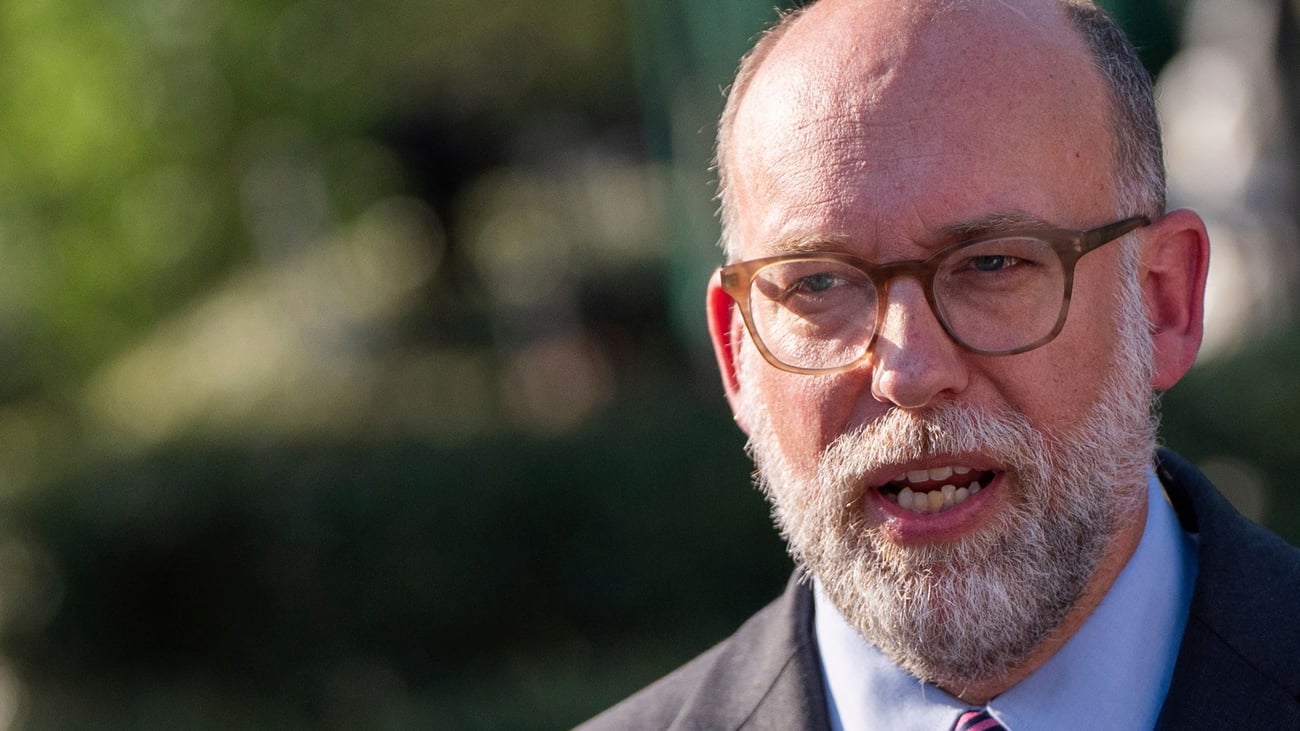
A federal judge ordered the U.S. Department of Justice to restore funding to the Consumer Financial Protection Bureau after the agency faced budget cuts that threatened its enforcement operations. The ruling comes as the CFPB, established in 2010 following the 2008 financial crisis, continues to play a central role in policing financial institutions across the nation.
The CFPB has recovered more than $20 billion for consumers through enforcement actions against banks, lenders, and other financial service providers since its creation. The agency operates under the Dodd-Frank Wall Street Reform and Consumer Protection Act, which granted it independent authority to investigate and penalize firms that violate consumer protection laws.
The funding dispute stems from budget pressures that threatened to curtail the CFPB's regulatory and enforcement capacity. Plaintiff states, whose attorneys brought the action, argued that inadequate funding would undermine the agency's ability to fulfill its statutory mandate. The states relied on data demonstrating the CFPB's track record of returning billions to harmed consumers and preventing predatory lending practices.
Federal courts have repeatedly upheld the CFPB's authority and funding mechanisms despite legal challenges from the financial services industry and conservative groups. The agency draws its budget from the Federal Reserve rather than congressional appropriations, a structural provision designed to insulate it from political pressure. This funding model has become a flashpoint in debates over regulatory independence and executive power.
The judge's order to restore funding addresses immediate operational concerns. The CFPB employs roughly 1,600 staff members across regional offices and headquarters, maintaining enforcement divisions focused on bank lending practices, credit reporting, debt collection, and consumer privacy. Budget shortfalls risked reducing investigative capacity and delaying case resolutions.
The ruling has implications beyond the CFPB itself. It reinforces judicial recognition that underfunding regulatory agencies can constitute constructive interference with their statutory duties. Courts have begun scrutinizing whether budget cuts function as de facto restrictions on agency authority, particularly when Congress enacted statutes expressly authorizing those functions.
Financial institutions face renewed scrutiny under fully funded CFPB operations. Pending investigations into mortgage lending practices, auto loan discrimination, and payment processing fees can proceed without delay. Banks subject to CFPB consent orders must maintain compliance monitoring infrastructure, and enforcement divisions can pursue civil penalties against repeat violators.
Consumer advocates view the ruling as a victory for financial regulation. The CFPB under Director Rohit Chopra has intensified scrutiny of "junk fees," overdraft charges, and discriminatory lending. The agency's litigation team has challenged arbitration clauses and recovered funds from institutions including Wells Fargo, JPMorgan Chase, and Bank of America.
The decision reflects broader judicial trends favoring agency independence from budget manipulation. Courts increasingly recognize that Congress, through legislation, allocates specific functions to agencies, and that branch-level officials cannot nullify those functions through appropriations constraints. The ruling protects the CFPB's independent funding stream from executive interference.
Going forward, the CFPB will maintain staffing levels necessary for comprehensive financial regulation oversight. Regional offices can continue mortgage servicing examinations and auto lending fair lending audits. The agency remains positioned to address emerging consumer harms from fintech lending platforms and cryptocurrency transactions.