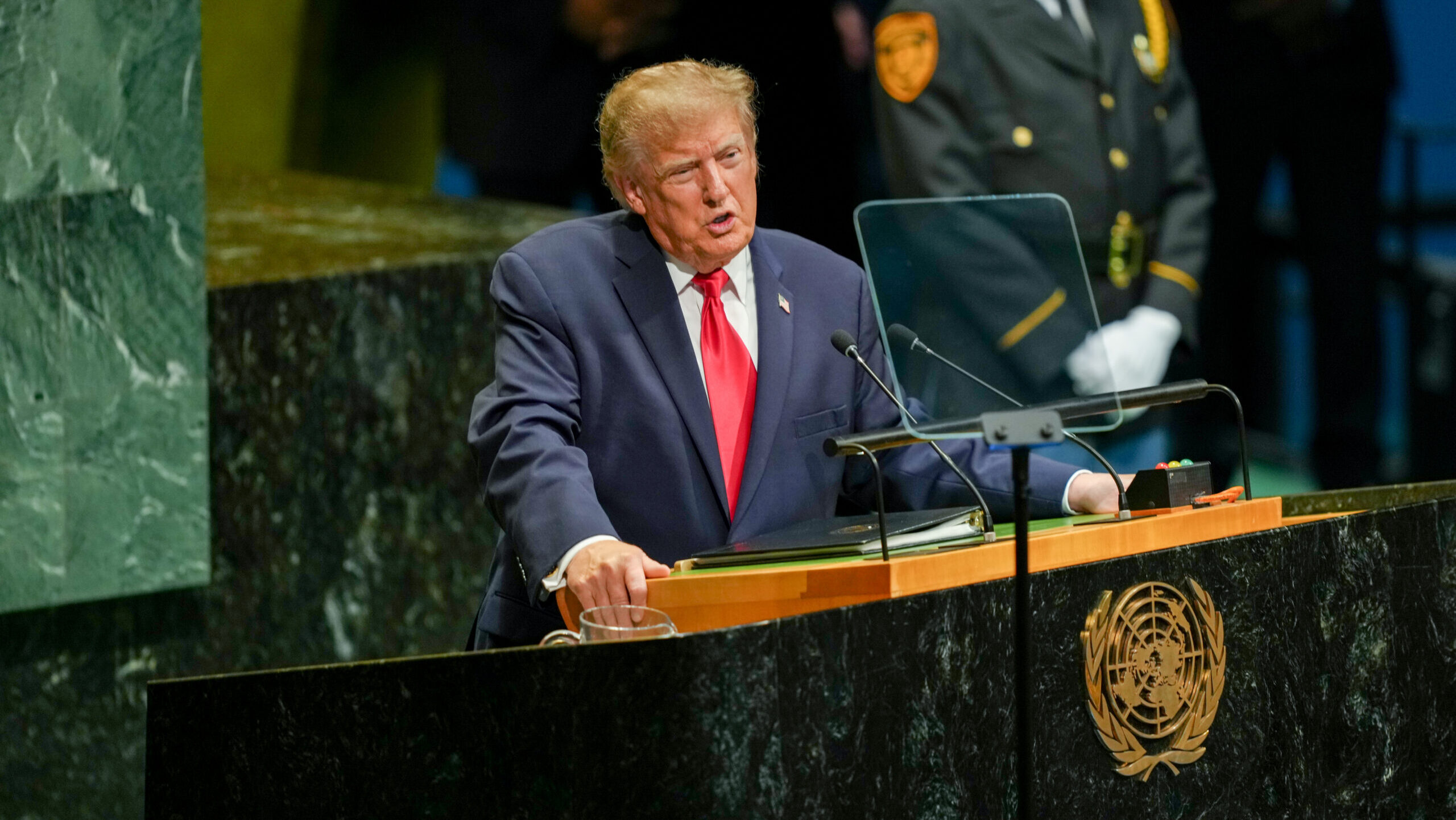
President Donald Trump issued an executive order directing all United States federal agencies to replace the term "artificial intelligence" with "super intelligence" in official documents and communications going forward. The order represents an attempt to reshape how the government discusses and frames emerging technology.
Trump justified the directive by arguing that "super intelligence" more accurately describes the capabilities of advanced AI systems than the term "artificial intelligence." He stated that "from this point forward, all of United States documents, and hopefully the world, will be changed to use the much more accurate term 'super,' as opposed to 'artificial.'"
The executive order carries legal weight across the federal bureaucracy. All agencies must update their internal style guides, regulatory filings, policy documents, and public communications to conform with the new terminology. This affects how federal agencies describe AI systems in rule-making documents submitted to the Federal Register, interagency guidance, congressional briefings, and public-facing materials.
The practical implications extend across multiple domains. Agencies like the National Institute of Standards and Technology (NIST), the Federal Trade Commission (FTC), the Securities and Exchange Commission (SEC), and the Department of Defense must revise existing AI governance frameworks, risk assessment protocols, and regulatory guidance to use the mandated language. Any new regulations or guidance documents published by these agencies will need to employ "super intelligence" terminology.
The order raises questions about legal consistency and implementation. Federal statutes and regulations that currently reference "artificial intelligence" technically remain unchanged unless Congress acts. Agencies will likely create parallel terminology systems where statutory references retain "AI" language while agency guidance and communications adopt "super intelligence." This creates potential for confusion in regulatory compliance and litigation.
The rebranding effort carries symbolic weight in tech policy discourse. Terminology shapes how policymakers, the public, and businesses understand technology. By shifting from "artificial" to "super," Trump's order seeks to emphasize the power and capability of advanced systems rather than their synthetic or non-biological nature. This framing potentially influences how courts, regulators, and Congress approach AI accountability, liability, and safety standards.
Industry stakeholders must adjust their compliance language when communicating with federal agencies. Companies submitting AI systems for regulatory review, seeking government contracts, or responding to federal inquiries will need to align their terminology with agency guidelines. This creates coordination costs for organizations that operate across both federal and private sector contexts.
The order does not appear to include enforcement mechanisms or penalties for non-compliance, relying instead on agency cooperation and voluntary adherence. However, federal contracts, grant agreements, and regulatory submissions may incorporate language requirements that make compliance mandatory for entities seeking federal resources.
International implications remain uncertain. Trump expressed hope that "the world" would adopt this terminology, but other governments maintain independent AI governance frameworks and terminology standards. The European Union, United Kingdom, and other jurisdictions have established their own regulatory language around artificial intelligence systems. Multilateral coordination on terminology would require diplomatic consensus unlikely to materialize through unilateral executive action.