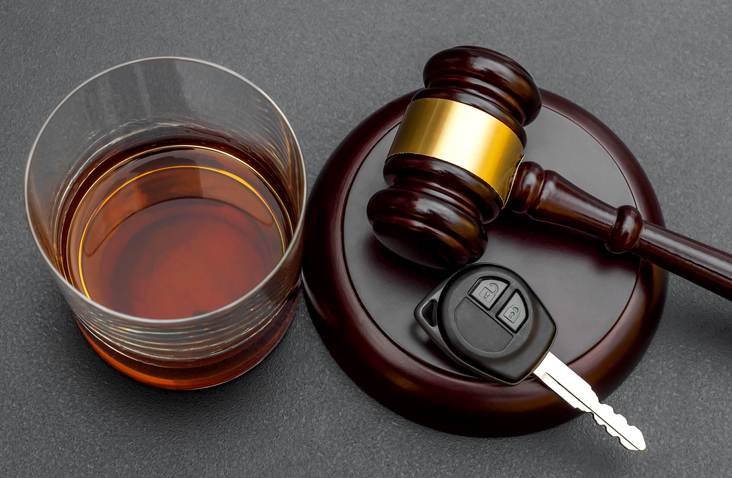
A judge facing judicial misconduct charges related to substance abuse has secured another year away from the bench by agreeing to undergo treatment and testing. The judge, known for administering an unconventional sobriety test using the sequence "A, B, C, D, F, U," negotiated a resolution that allows him to avoid harsher disciplinary consequences while addressing the underlying conduct that triggered the complaint.
The specific details of the case emerged from disciplinary proceedings within the state's judicial conduct system. The judge's unusual sobriety assessment method became public during prior incidents, drawing scrutiny from legal ethics bodies and fellow jurists. Rather than face a formal hearing that could result in permanent removal from the bench, the judge agreed to a treatment regimen and mandatory testing protocols to resolve the misconduct allegations.
Judicial misconduct cases involving substance abuse present unique challenges for state courts and judicial conduct commissions. Unlike criminal prosecutions, disciplinary proceedings focus on whether a judge's conduct violated the Code of Judicial Conduct and undermined public confidence in the judiciary. The judge's agreement to treatment reflects recognition that his behavior fell short of ethical standards required for judicial office.
The resolution involves specific conditions the judge must satisfy. Treatment programs typically address underlying addiction issues through rehabilitation and counseling. Testing requirements ensure ongoing monitoring and accountability. These conditions serve dual purposes. They protect the public by ensuring the judge addresses substance abuse issues. They also give the judge an opportunity to rehabilitate his standing and potentially return to full judicial duties once treatment concludes.
This approach differs from permanent removal or suspension. Judges who successfully complete court-ordered treatment programs can sometimes resume their duties after demonstrating sustained sobriety and compliance. The one-year timeline suggests the judicial conduct commission anticipated that period as sufficient for both treatment completion and monitoring.
The "A, B, C, D, F, U" test became notorious because it deviates sharply from standard sobriety assessments used by law enforcement. Standard tests include the horizontal gaze nystagmus test, the walk-and-turn test, and the one-leg stand test. Those tests measure specific neurological responses to alcohol impairment. The judge's improvised sequence raised questions about judgment, fitness for duty, and whether impairment affected his ability to administer the test fairly.
Judicial conduct commissions exist in all 50 states to investigate complaints against judges and prosecutors. These bodies maintain public confidence in the judiciary by addressing misconduct before it becomes a widespread problem. Cases involving substance abuse remain among the most serious disciplinary matters commissions handle, particularly when judges demonstrate impaired judgment while performing judicial functions.
The judge's agreement to treatment rather than contesting the charges suggests his legal advisors recognized the strength of the evidence against him. Fighting judicial misconduct allegations can result in public hearings, sworn testimony, and findings that become part of the permanent record. Settlement agreements, while still disciplinary in nature, often remain less publicized and allow judges to avoid the reputational damage of formal adjudication.
Public trust in judicial systems depends partly on judges meeting high ethical and personal conduct standards. This case reinforces that even judges face accountability mechanisms when their behavior becomes problematic. The treatment agreement demonstrates those mechanisms can function to protect both judicial integrity and public safety while offering judges pathways to rehabilitation rather than automatic career termination.