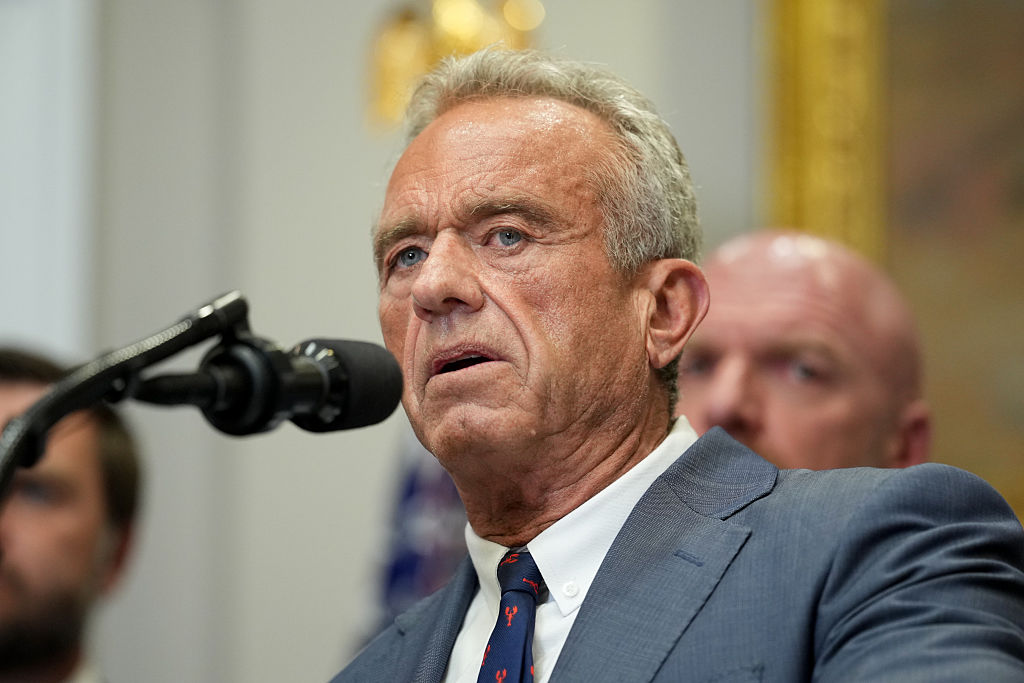
Robert F. Kennedy Jr., the Secretary of Health and Human Services, has restructured the U.S. Preventive Services Task Force by appointing eight new members to the independent panel that sets medical screening and prevention recommendations for the nation.
The USPSTF is a 16-member volunteer body composed of medical experts that evaluates preventive health services and assigns letter grades (A through D, plus I for insufficient evidence) to screenings, vaccinations, and counseling interventions. These recommendations influence clinical practice guidelines, insurance coverage decisions, and public health policy across the United States. The task force operates with significant autonomy, though it functions under the Agency for Healthcare Research and Quality, a division of HHS.
Kennedy's appointments complete the panel following departure of several members and reflect a shift in the task force's composition. The HHS secretary holds authority to nominate members, though the final selections come through a formal nomination process. This restructuring occurs against the backdrop of tension regarding task force leadership and its decision-making processes, though specific disputes remain undisclosed in available reporting.
The timing of these appointments carries weight within the broader Trump administration's healthcare agenda. Kennedy has signaled intent to reshape federal health institutions and challenge established public health positions. His leadership of HHS positions him to influence how preventive medicine operates across the American healthcare system. The USPSTF's recommendations carry outsized authority because they directly affect Medicare and Medicaid coverage policies, insurance company protocols, and medical practice patterns nationwide.
Healthcare organizations and medical societies closely monitor USPSTF recommendations because payers often tie coverage decisions to task force grades. A recommendation grade of A or B typically triggers insurance coverage without cost-sharing. Conversely, grades of C or lower may result in limited or no coverage. Hospitals, clinics, and individual physicians structure their preventive care protocols around these guidelines.
The composition of the task force has proven contentious in recent years. Stakeholders have criticized the panel for insufficient representation of certain medical specialties, demographic groups, and perspectives on prevention. Primary care physicians and public health advocates have argued for particular expertise in areas like cardiovascular disease screening and cancer prevention. Simultaneously, critics contend that some recommendations lack sufficient evidence or fail to account for individual patient circumstances.
Kennedy's appointments represent the first major overhaul of task force membership in several years. The new members will influence recommendations on screening intervals, age cutoffs, and risk stratification for conditions including breast cancer, prostate cancer, cardiovascular disease, and preventable infections. Their decisions will shape clinical guidelines for years to come.
The restructuring also reflects broader HHS priorities under Kennedy's leadership. He has publicly questioned vaccine recommendations, promoted alternative medicine concepts, and challenged established medical orthodoxy on several fronts. Whether new task force members will alter existing recommendations or signal departures from conventional preventive medicine remains to be seen.
Medical organizations, patient advocacy groups, and insurance companies will watch closely as the reconstituted task force convenes. Any major shifts in its recommendations could ripple through the entire U.S. healthcare system, affecting millions of patients and billions in healthcare spending.