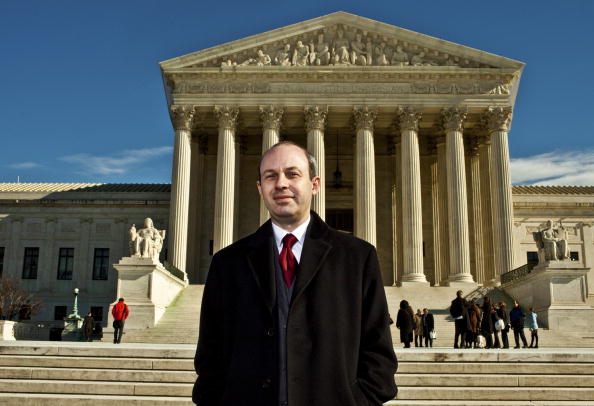
John Dowd, the former attorney who represented Donald Trump during the first impeachment inquiry, has filed allegations of prosecutorial misconduct against government attorneys in the case of Tom Goldstein. Dowd contends that federal prosecutors violated ethical rules and procedural standards during Goldstein's prosecution, though the specific details of the alleged misconduct remain under examination.
Goldstein, a prominent civil rights attorney and founder of the Innocence Project, faced federal charges that drew considerable attention from legal professionals and watchdog organizations. The case centered on allegations involving his conduct, but Dowd's intervention raises questions about whether the government's case was pursued appropriately under federal rules of criminal procedure and prosecutorial ethics standards.
Dowd's complaint focuses on what he characterizes as aggressive or improper conduct by Assistant U.S. Attorneys handling the case. His allegations invoke rules established under the Department of Justice's own internal guidelines and potentially federal rules governing attorney conduct. When former prosecutors or attorneys representing high-profile defendants raise misconduct claims, such allegations often trigger review by judicial authorities or disciplinary bodies, including state bar associations and the Office of Inspector General.
The timing of Dowd's allegations carries weight within legal circles. Dowd previously served as Trump's personal counsel and participated in his defense during the first impeachment proceedings in 2019 and 2020. His involvement in high-stakes matters brings credibility to his claims, though prosecutors have opportunity to respond to allegations of wrongdoing through formal channels.
Goldstein's case has attracted support from prominent figures in the legal community, including many from organizations focused on criminal justice reform and wrongful conviction work. The Innocence Project, which Goldstein founded and which has exonerated numerous individuals convicted through DNA evidence, maintains significant influence in policy circles and among judges nationwide. Any prosecutorial misconduct finding could undermine the government's case against him and potentially result in conviction reversal or retrial.
Prosecutorial misconduct allegations typically follow established patterns under Brady v. Maryland and Giglio v. United States precedents. These Supreme Court decisions require prosecutors to disclose exculpatory evidence and inform defense counsel of credibility issues affecting government witnesses. If Dowd's allegations demonstrate that prosecutors withheld relevant information or presented testimony from witnesses with undisclosed credibility problems, a court could grant post-conviction relief.
The complaint also raises broader implications for how federal cases are litigated and what standards apply to prosecutors wielding government power. District courts across the country regularly address misconduct claims, though findings that rise to the level requiring remedy remain relatively uncommon. Federal judges retain discretion to impose sanctions against attorneys, dismiss cases, or order retrials when proper misconduct occurs.
Dowd's decision to publicly air these allegations suggests confidence in their merit and potentially signals coordination with Goldstein's defense team. The case now proceeds through appropriate judicial review mechanisms. Both the prosecution and defense will have opportunity to present evidence and arguments before the relevant court determines whether misconduct occurred and, if so, what remedy applies.