The Civil Rights Division of the Trump administration's Department of Justice has experienced a mass exodus of legal staff as the division shifts its enforcement priorities sharply rightward. More than 300 lawyers have departed from the division in recent months, reflecting fundamental disagreements over the direction of civil rights enforcement.
The departures signal a wholesale reorientation of the division's mission. The Civil Rights Division has historically focused on enforcing statutes protecting voting rights, employment discrimination, housing discrimination, and other protections under the Civil Rights Act of 1964, the Fair Housing Act, and the Voting Rights Act. Under the Trump DOJ, the division's priorities have pivoted away from traditional civil rights enforcement toward other objectives.
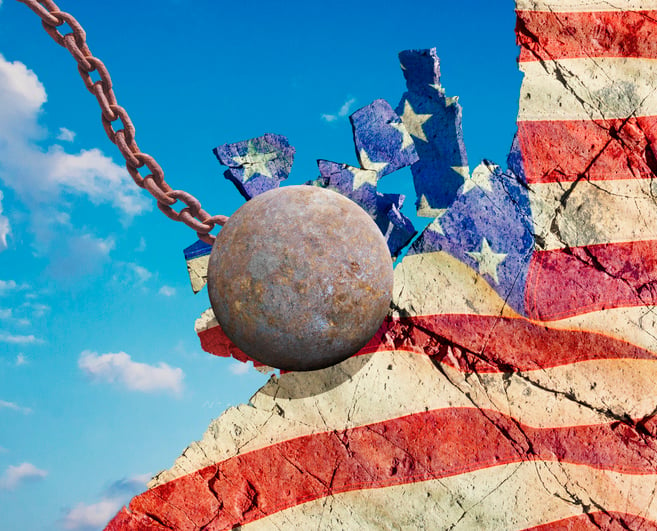
Career prosecutors and attorneys in the division cited concerns about the new leadership's approach to enforcement. The characterization of the incoming team as a "demolition crew" reflects staff perception that the division intends to dismantle or fundamentally restructure existing civil rights enforcement frameworks rather than continue established doctrines.
The scale of the departures represents one of the largest staff reductions in the division's recent history. Voluntary resignations and retirements from the division far exceeded normal attrition rates during the transition period. Some departing attorneys cited incompatibility with the new administration's civil rights philosophy, while others accepted positions in state attorneys general offices, private practice, or public interest organizations.
Civil rights enforcement implications extend across multiple areas. The division's reduced capacity affects enforcement of voting rights cases, Title VII employment discrimination claims, Fair Housing Act violations, and pattern-and-practice investigations against state and local law enforcement agencies. Private parties and advocacy organizations relying on DOJ enforcement partnerships face reduced federal enforcement resources.
The DOJ has moved to fill vacancies with attorneys aligned with the administration's legal philosophy. The leadership changes position the Civil Rights Division to pursue enforcement strategies that differ substantially from recent decades, potentially affecting litigation priorities, settlement