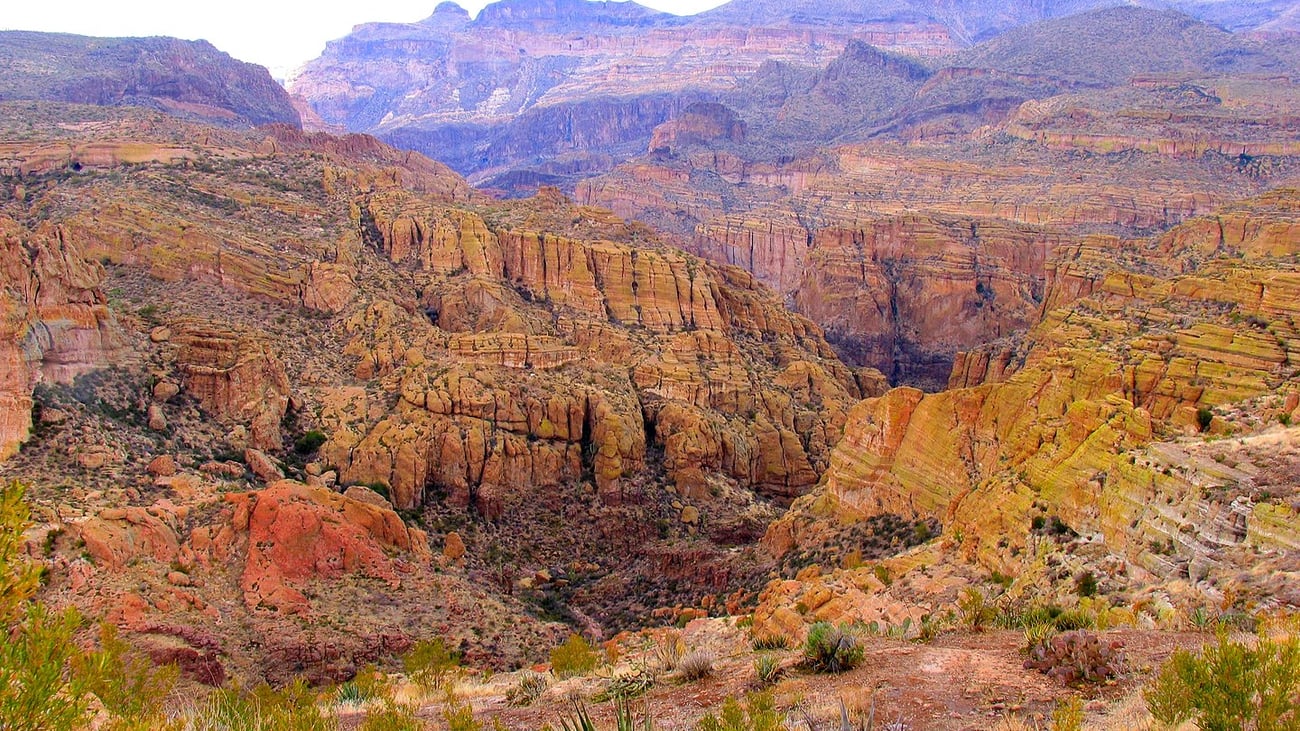
The U.S. Forest Service approved an expansion of Arizona's Pinto Valley Mine without imposing restrictions on groundwater extraction from private wells located on adjacent federal land, drawing legal challenge from conservation groups who contend the agency violated federal environmental statutes.
Conservationists filed suit asserting the Forest Service violated the National Environmental Policy Act (NEPA) and the Endangered Species Act (ESA) when it permitted the mine's expansion. The groups argue the agency failed to analyze or restrict the mine operator's pumping of groundwater from private wells situated near public lands, which causes degradation to federal property and harms protected species.
The Forest Service countered that it lacks authority to regulate groundwater extraction from privately owned wells, even when the pumping occurs on or near federal land and causes demonstrable environmental harm. The agency's position hinges on a jurisdictional interpretation that private well operations fall outside its purview under the Mining Law of 1872 and related statutes governing National Forest management.
The Pinto Valley Mine, located in Gila County, Arizona, operates under a plan of operations approved by the Forest Service. The expansion at issue involves increased copper extraction, which requires substantial water resources. Rather than pumping exclusively from on-site sources, the mine operator accesses groundwater through private wells, a practice the Forest Service apparently did not restrict or condition in its approval decision.
This dispute raises a fundamental question about federal environmental oversight where state water rights intersect with federal land management authority. Conservationists maintain that NEPA requires the Forest Service to analyze all reasonably foreseeable consequences of its permits, including cumulative impacts from private well extraction. The ESA claim likely involves species habitat dependent on groundwater levels or water quality in or near the National Forest.
The Forest Service's asserted lack of authority may reflect genuine statutory gaps or a narrow reading of its regulatory mandate. If courts agree